Hush-Kit presents: The top popstar-killing aircraft manufacturer of all time

From Buddy Holly and the Big Bopper to Aaliyah and whoever’s next, so many of our brightest musical stars have ended their lives in planes. But have you ever wondered which plane has killed the most? No, of course you haven’t, because you’re not a DREADFUL FUCKING GHOUL. 

Fortunately, in bold defiance of good taste, Stephen Caulfield has calculated which aircraft manufacturer has inadvertently been responsible for the death of the most pop stars. In the interest of fairness, I should add that Aaliyah was killed in a Cessna 402B.

And the ‘winner’ is: Beechcraft

(Stephen is this morally OK?) Please address all legal complaints to the author.

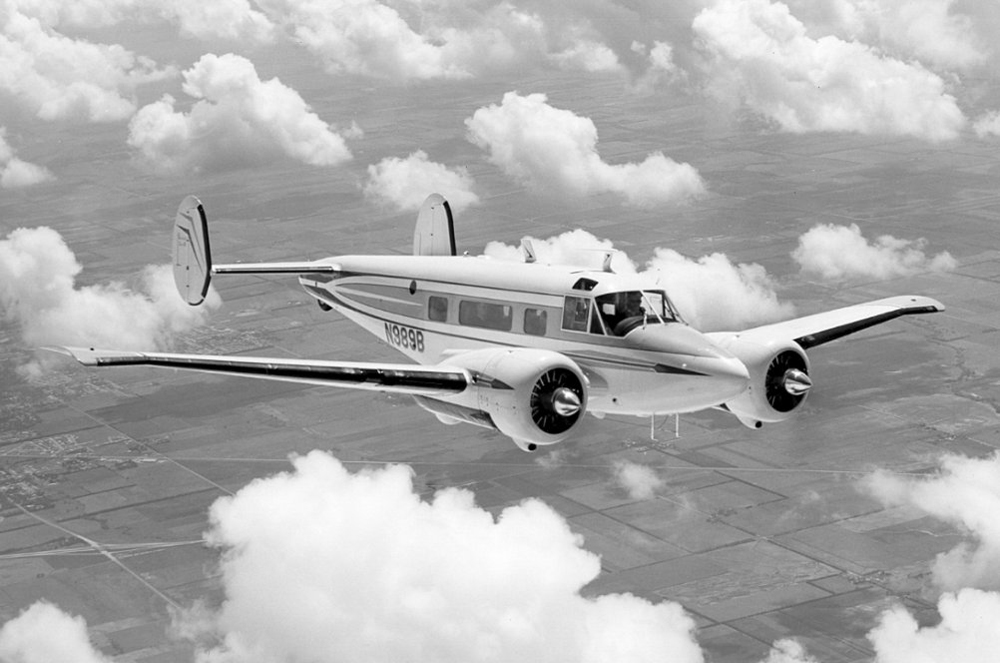
Beechcraft Model H18

Image

Otis Redding,
Matthew Kelly
Jimmy King
Phalon Jones
Ronnie Caldwell
Carl Cunningham

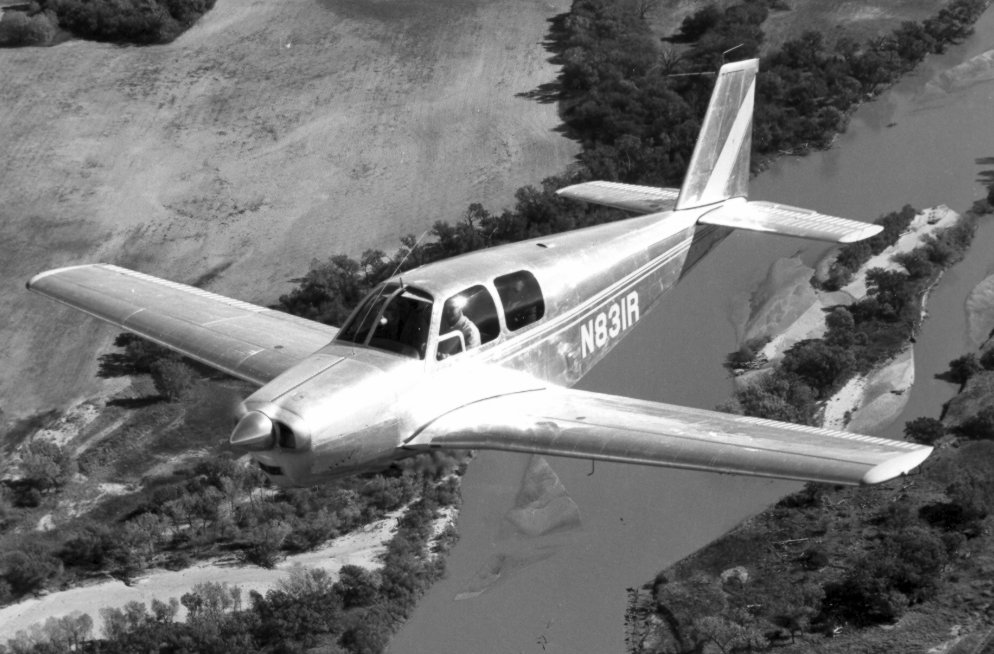
Bonanza 35 (V-tail)

Bonanza 35 vee tail

Buddy Holly,
Ritchie Valens
J. P. “The Big Bopper” Richardson

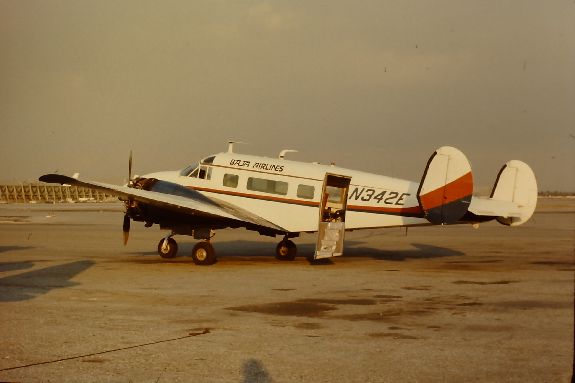
E18S

Image

Jim Croce

Bonanza M35

Image

Randy Rhoads

33 Debonair

Image

Jim Reeves

Bonus listing:

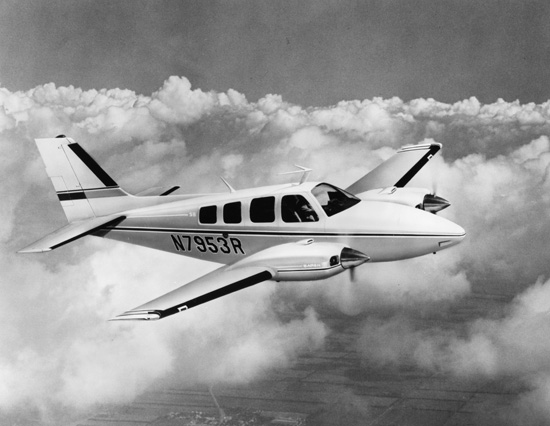
Baron

Image

Robert Smithson
(Land Artist – Spiral Jetty)

Get a lock-on to Hush-Kit on Twitter
Stephen Caulfield cleans limousines around the corner from what was once the Avro Canada plant.  He appreciates writing, art, aeroplanes and the tragic nature of modernity in pretty much equal parts these days.  His blog is www.suburban-poverty.com

Images: courtesy of author.

A rose by any other name? Top Ten Aircraft name changes

maxresdefault

From the unpleasantly named Mikoyan Skat, to the spectacularly boringly titled Aviation Traders Accountant, aircraft are often given the wrong name. Sometimes a sage is needed to tap the Executive on the shoulder and whisper things like ‘Sir, that name has a secondary meaning on the S&M scene’ or ‘Perhaps Vampire would be better than Spider Crab?’ (the latter is a true story). Here are ten notable re-namings.

10. E-6 Hermes, sounds like herpes, to Naval Aviators’ mirth. Changed to ‘Mercury’, presumably as a tribute to the lead-singer of Queen.

Image
9. Tu-22 ‘Beauty’ and MiG-15 ‘Falcon’ – clearly too complimentary for communist planes, changed to ‘Blinder’ and ‘Fagot’ respectively.  It is likely that the homophobic connotations of the MiG-15’s codename were not lost on the Air Standardization Coordinating Committee who assigned it.

Image
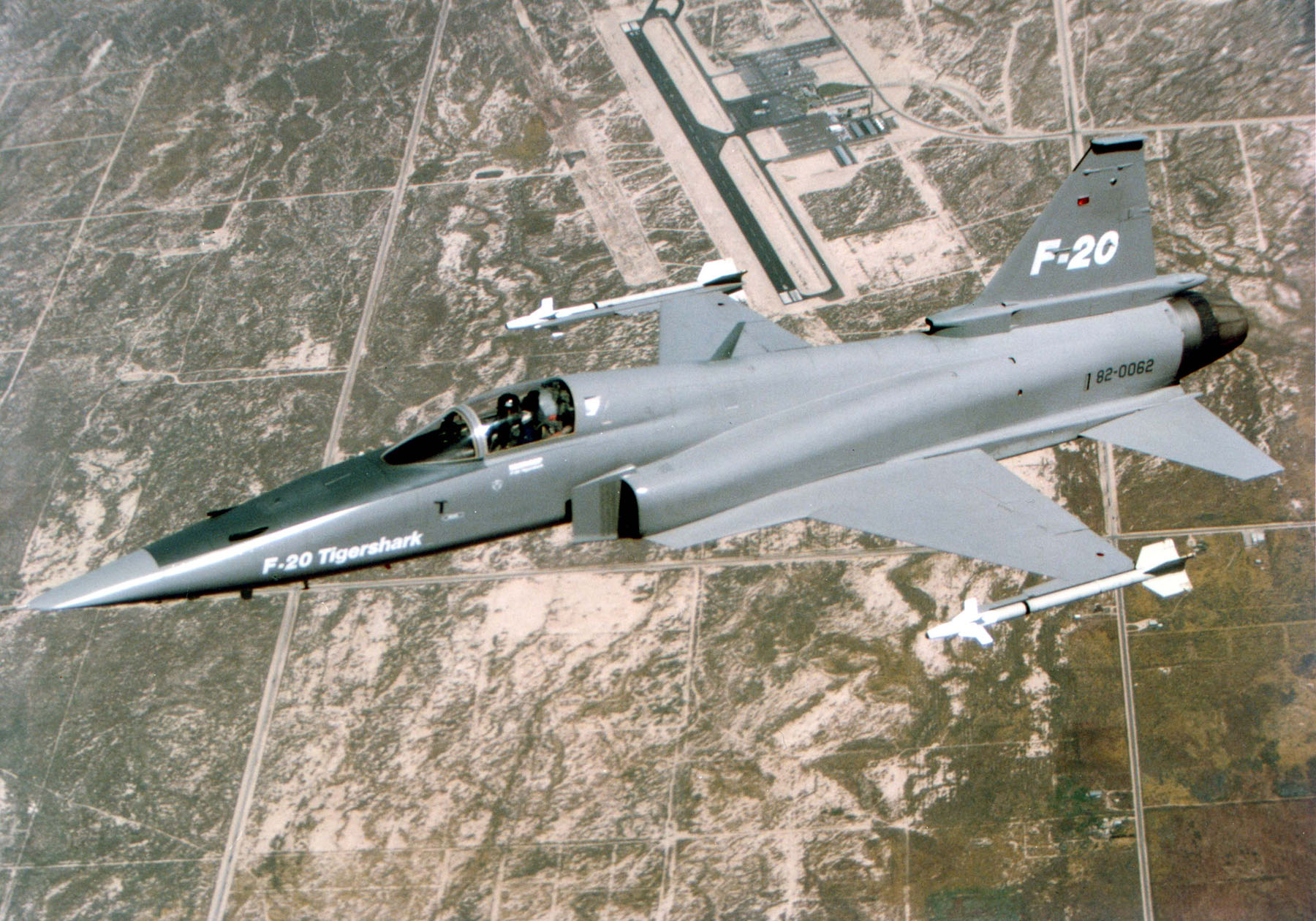
8. F-5G to F-20 – much more likely to win orders, right?

Image
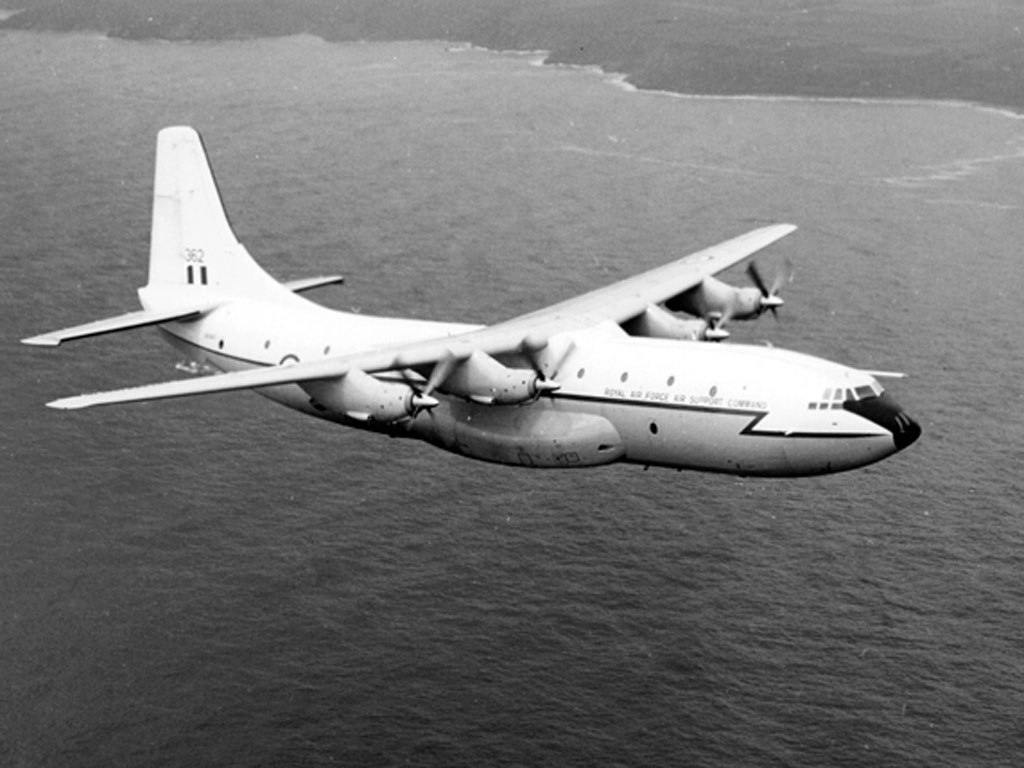
7. Shorts Britannic – can’t imagine anything will go wrong in Belfast in the late 1960s…

Image
6. Yak-28 ‘Brassard’ – twin-jet bomber too easily confused with Max-Holste product?

Yak-28R (Brewer-D) 12
5. Supermarine Shrew (Spitfire almost laughed out of the skies in BoB)*

spitfire.jpg.

* ok, this one is a bit of a cheat, ‘Shrew’ was surely only a suggested name.

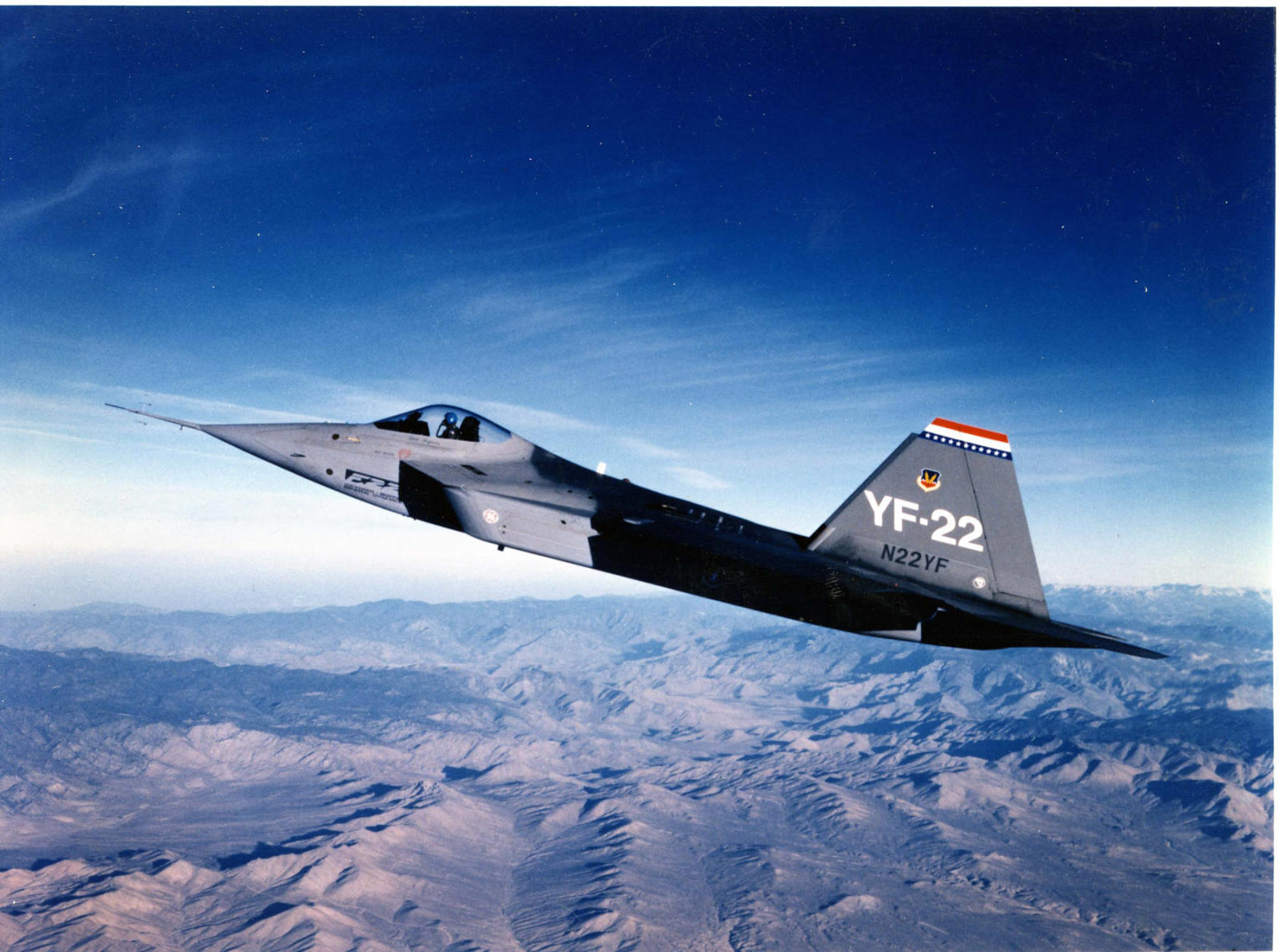
4.  F-22 SuperStar (too daft) , Rapier (too rapey) , Lightning II – don’t worry, Lockheed Martin can always reuse at least one of these.

YF-22

3. Kestrel becomes Harrier – worst rename ever? – a Harrier can’t hover

Hovering-Kestrel-Amit-Kumar-950x633
2. Mystère-Delta 550 to Mirage – good call, Marcel

mir00
1. B-1B Excalibur to Lancer: The practice of giving weapons systems weirdly sexual names (Massive Ordnance Penetrator?) is long-established, but naming the the B-1B after a popular Condom was too much  .

So, the Excalibur was rechristened Image with the altogether blander name ‘Lancer’. Though everyone ended up calling it the ‘Bone’ anyway.

Hopefully the condom had a better serviceability rate than the aircraft!

 Thank you for reading Hush-Kit. Our site is absolutely free and we have no advertisements. If you’ve enjoyed an article you can donate here. At the moment our contributors do not receive any payment but we’re hoping to reward them for their fascinating stories in the future.

Type selection by Combat Aircraft‘s Thomas Newdick, inappropriate comments by Hush-Kit’s Joe Coles. If you enjoyed this you will love Essential Aircraft
Identification Guide: Carrier Aircraft 1917–Present . You should also enjoy our other Top Tens! There’s  a whole feast of fantastic British, French, Swedish, Australian,  Japanese , Belgian,  German and Latin American aeroplanes. Want something more bizarre? The Top Ten fictional aircraft is a fascinating read as is the Top Ten cancelled fighters.
Read an interview with a Super Hornet pilot here.
Follow my vapour trail on Twitter: @Hush_kit


Which fighter will South Korea choose?

68be6c8a-c138-472c-85a8-c201512a6ae5.Full

Typhoon-dual-bomb-drop

001_479

Hush-Kit Top Ten: The ten best-looking Chinese aircraft

china J-31 fifth generation stealth, naval carrier aircraft prototype People's Liberation Army Air Force  OPERATIONAL weapons aam bvr missile ls pgm gps plaaf test flightf-22 1 pl-12 10 21 (3)

Most Chinese aircraft are not attractive. It would have been far easier to make a top ten of ugly Chinese aircraft, which the oft-forgotten Nanchang J-12 may well have won. This little design disaster resembled a MiG-19 in the process of being eaten whole by a Austin Allegro. However, after much trawling we did find ten beauties. You might not agree, but it’s about time we appreciated the designs of the most active aircraft-producing nation in the world. After all, of the first flights of new types that have happened since 1996, 80 per cent have happened in mainland China! OK, we admit, some of these may have had non-Chinese origins.

10. Shanghai Y-10

A purposeful 707-alike. An obscure suggestion from Combat Aircraft’s Thomas Newdick.

shanhai-y10

9. CAIC WZ-10

The best-looking helicopter gunship in the world. The brutal sides of its rivals are replaced with subtle compound curves. A mean-looking machine. (Yes, it is essentially a Kamov design)

Caic-Wz-10-Attack-Helicopter-China-4

8. CHU X-PO

X_PO_

A shoddy machine based loosely on the Curtiss P-75A, still looked pretty good.

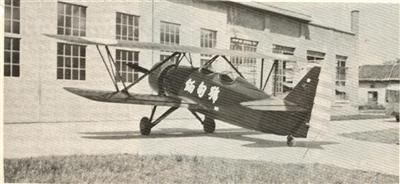
7. ‘Fushing biplane

1smallqi4custombb3

6. Yuneec International E430 

4Yuneec-plane-1

A nicely left-field suggestion from artist Edward Ward. This is the anti-thesis of everything that’s wrong with Chinese Aerothetics: an organic, flowing shape with perky elegance, it is a lovely-looking machine. It’s also electric!

5. Xian JH-7

00

If you saw this aircraft with no markings and no preconceptions, you would assume it was a US type from the 1960s. Masculine and muscular, you probably would have guessed it came from the drawing boards of Convair or Republic. A classic shape, it is the Hulk to the Mirage F1’s Bruce Banner.

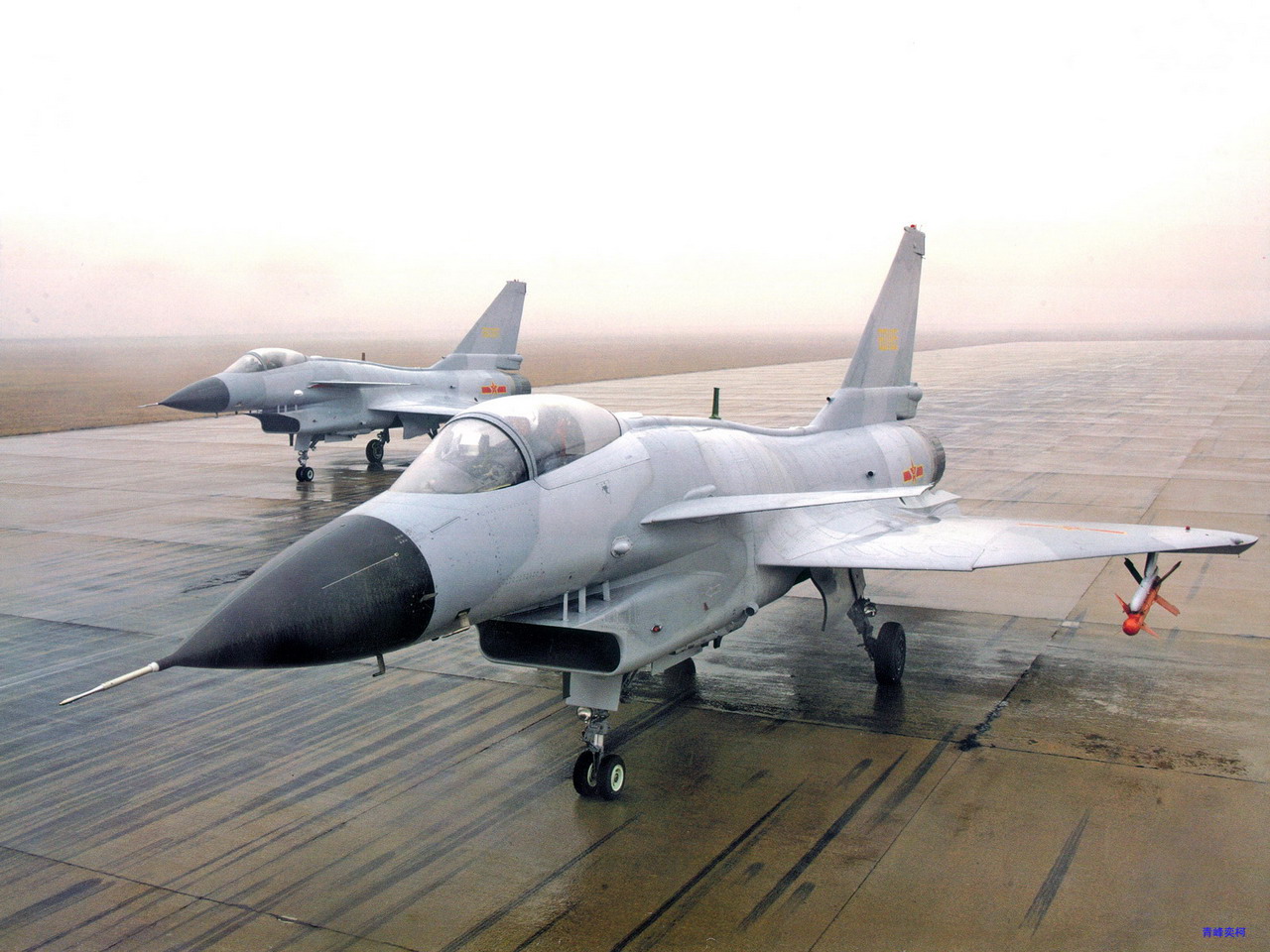
4. Chengdu J-10

The nose is a little to small, as is the wing and the jet nozzle. The tail fin is too tail. The intake (of the A-variant) is a little too serious, like the mouth of a disapproving aunt of Bertie Wooster. This aside, it has a zippy dynamism and a rather exciting aggression to the design.

j-103

3. Harbin SH-5

What’s not to like?

Harbin SH-5 Wing-In-Ground aircraft (WIG) (Chinese 水轰五型 水轰水上轰炸机seaborne bomber maritime patrol amphibious aircraft aerial firefighting, anti-submarine warfare (ASW) air-sea rescue (SAR)PLA NAVY (5)

2. Chengdu J-20

Somewhere between a prehistoric rhino, a F-22 and a monstrous mutant Viggen; this massive, evil brute is a real attention getter. Doesn’t get the top position though as its good looks are not all-aspect and it looks a little lumbering from certain angles.

U3mRU

1. Hongdu L-15

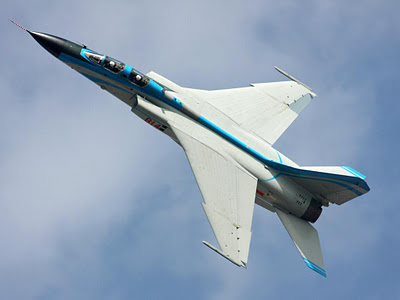
Many Chinese aircraft lack an overall coherency of form. But, the Hongdu L-15 is a notable exception. A nicely proportioned advanced trainer, it looks good from any aspect.

HAIG_L15


SAVE HUSH-KIT. Hush-Kit needs donations to continue, sadly we’re well behind our targets, please donate using the buttons above or below. Many thanks. I really hope Hush-Kit can continue as it’s been a fascinating experience to research and write this ridiculously labour-intensive blog.

Get a lock-on to Hush-Kit on Twitter

The judges were: Hush-Kit’s Joe Coles, Combat Aircraft‘s Thomas Newdick, the RAF Review‘s Paul Eden, The Aviation Historian‘s Nick Stroud and the artist Ed Ward.  If you enjoyed this, have  a look at the top ten British,French, Swedish, Australian,  Soviet and German aeroplanes. Wanting Something a little more exotic- try the top ten fictional aircraft. Feeling more negative? Enjoy a little glass of  Schadenfreude and read about the Ten Worst Carrier Aircraft.

What was the most combat effective piston-engined fighter ever made? An analysis can be found here.

You may also enjoy top WVR and BVR fighters of today, an alternate history of the TSR.2, an interview with a Super Hornet pilot and a Pacifist’s Guide to Warplanes. Want something more bizarre? The Top Ten fictional aircraft is a fascinating read, as is the The Strange Story and The Planet Satellite. The Fashion Versus Aircraft Camo is also a real cracker.

Follow my vapour trail on Twitter: @Hush_kit

The Stealth Guru: Hush-Kit meets Bill Sweetman

Image

Tenacious journalist Bill Sweetman has always been one step ahead: the man described by Tom Clancy as “a genius” was writing about ‘stealth technology’ when it was sill buried in official secrecy; he broke the story of the Laden raid stealth helicopter; possibly unearthed proof of the Aurora hypersonic spy-plane and remains an outspoken critic of the F-35 programme.

How did you start in aviation journalism? I answered an ad in the back of Flight for a sub-editor. Mark Hewish, who was in that position, had taken a job at New Scientist (although he changed his mind and stayed on as a defence writer). The printers insisted on having an extra sub (so one could always be there on Friday) and IPC balked at the GBP 2,400 salary, which was the lowest NUJ rate. The solution was to hire two trainees at 60 per cent. I arrived thinking that I was on a gap year before Uni and never left.

 What are the biggest pitfalls facing aerospace writers? Making a living! Related to the fact that many outlets pay minimum rates and have little interest in quality. The other problem is that there are lots of people paid to manipulate the story, and most of them earn more than you do, and some of them are depressingly good at it.

Your informed guesswork and predictions regarding US black programme have frequently proved very accurate. Is there an article you are particularly proud of?

I still look back on the 1986 book Stealth Aircraft with affection. Some of my IDR and Interavia stories on stealth in the late 1990s and early 2000s hold up well in retrospect. There’s a lot in there that has never been published or talked about since. Breaking the bin Laden stealth helicopter story – now, that was quick-draw fun.

Some of your journalistic investigations appear to involve long, exhaustive studies of budget documents. If this is the case, what motivates you to persist- does it not seem tedious sometimes? Browning had a mathematician saying “While I triumph o’er a secret wrung from nature’s close reserve”. When it stops being interesting you’re probably not getting anywhere.

What have been the highest and lowest points of your career so far? I’m deeply enjoying the present day, the hunt for black programmess and the epic story of JSF – which started off as the most ambitious project since the ICBM and has been a grievous disappointment.

IMG_8154

Which black programmes are you currently most interested in? I could tell you, but then I’d have to use some hackneyed cliché from one of the worst aviation movies ever.

What is the biggest myth regarding stealth? Stealth doesn’t make you invisible, much less immortal.

Who are your writing heroes ? Bill Gunston, above all. Mark Hewish was my mentor in many ways – very efficient and a total professional. LJK Setright was an inspiration in terms of having fun with writing. C.G. Grey – great writer, lousy politics. Outside aviation, Wodehouse and Saki are influences.

Does the inclusion of industry advertisers in aviation magazines have an affect on the impartiality of reporting? Not if I have anything to do with it.

The Typhoon, F-22 and F-35 programmes have all received a great deal of criticism; can you give an example of a well-run military aircraft project? Almost anything from the land of blondes, aquavit and IKEA.

What are the future aerospace technologies to look out for? Additive manufacturing. The application of 3D aerodynamic modelling to blended shapes.

Image

Do you have a favourite aeroplane, and if so why? The ‘Flanker‘ in its many forms. It was a very difficult program and relied on a lot of aerodynamic and propulsion technology that even today is not appreciated. And it looks incomparably bad-ass, as if God designed a pterodactyl to go Mach 2.

Read about stealth in fact and fiction Here

Get a lock-on to Hush-Kit on Twitter

Favourite aeroplane in 200 words #35: The Sukhoi Su-35 by Ian Jacobi


Image

The Su-35 display at the 2013 Paris Air Show was wild. I could compare its astonishing flying to Russian acrobats, gymnasts or big-booted dancers, but that would be too easy. I could draw parallels with the machismo and brute strength of Putin’s Russia, but this would be meaningless.

The Su-35 is likely to be the ultimate heavyweight fighter not designed for stealth. The only rivals to this claim will be China’s pirate ‘Flanker’s, and this only proves my point further.

The Polikarpov I-153 of 1938 was also the best of a dying breed, in its case, the biplane fighter. The two aircraft have other parallels, the I-153 was ready to fight in decent numbers when the more modern Yak-1 and LaGG-3 were rare resources. The Su-35 will be a similarly useful machine, in this case proving a supplement to the ferociously capable, but unfinished, PAK FA. The PAK FA will share the common traits of the other fifth generation fighters: a design that is hard to see on radar, and a price that is hard to pay in reality. The hugely capable Su-35 is expected to have a unit price equivalent to the tiny Gripen, which if achieved will demonstrate incredible value for money.

Ian Jacobi does very clever things during the daytime, but has not applied the same intellectual rigours to this article, which he wrote drunk. 

Get a lock-on to Hush-Kit on Twitter

Keep this blog alive!

To keep this blog going- allowing us to create new articles- we need donations. We’re trying to do something different with Hush-Kit: give aviation fans something that is both entertaining, surprising and well-informed. Please do help us and click on the donate button above – you can really make a difference (suggested donation £10). You will keep us impartial and without advertisers – and allow us to carry on being naughty. Once you’ve done that we hope you enjoy 10 Incredible Soviet fighter Aircraft that never entered service. A big thank you to all of our readers.

Aviation forums: a survivor’s guide

Sukhoi Su-34

Those wishing to get into arguments with sexually frustrated people they’ve never met, can enjoy the many pleasures of online aviation forums. Here you can enjoy the thrill of illiterate nationalism, faked insider knowledge and the tiresome raw data-sharing of people who, to put it kindly, could be described as ‘left-brain dominant’.

It’s good to share your interests. Though when you talk to people merely because of a shared interest you are opening the floodgates to some pretty interesting specimens.*

Here are some of the archetypes to watch out for in the sweaty corners of the internet infected with aviation forums. Award yourself 5 points for each one you encounter:

The gent

Articulate, big-hearted and avuncular, this is the best kind of animal you can encounter on an aviation forum; he simply wants to chat and to share his interests. This lonely voice of maturity can be found trying to quell the petty disputes of adolescences and lonely drunk men in over-heated hotel rooms.

The real pilot/navigator/groundcrew

The real pilot is often informal, relaxed and uninterested in pissing contests (in this context anyway!). He’ll frequently refer to the group he was in (No. 54 Sqn in the 1970s, Qantas in the 1980s etc). The use of jargon feels right and the emphasis is often on aerodynamics and the unreliability of systems rather the ‘catalogue talk’ of those educated by the PR departments of Lockheed Martin and Sukhoi etc.

Data-collator 

Rather like the BFG collecting dreams in jars, the DC hoards data. Aircraft registrations, serial numbers, crash dates. To say it’s pointless would be unfair (which hobby isn’t?), but it does seem rather abstract. Variations on this theme, include the ‘Horribly bitter data-collator’ the ‘Gentle librarian data-collator’ and the ‘Christ-he’s-so-boring-I-want-to-pull-my-eyes-out-one-by-one data-collator’. 


The liar

Mad nonsense from guys who allegedly flew ‘Foxbat’s from Irish aircraft carriers in the 1950s. Well, at least they are showing some creativity.

The bully expert

Gosh this guy knows his onions, but he also could do with growing some fucking humility. Watch him beat down feckless individuals who have the cheek not to have been born with ten copies of Jane’s nailed to their heads. Having said that, this guy will give you the odd scoop and some interesting and often well-expressed views.

The ranting nationalist

This is the worst. To this character, the particular aeroplane type he loves symbolises his nation and their superiority as well as his own sense of self-worth. If the aircraft type he loves is criticised he will descend into either an ill-informed one-sided defence of his aircraft or else racism disguised as opinions about planes (sometimes this is just bare-faced racism).

The researcher

‘Can anyone help me… I’m writing a book on the sex-lives of Fairey Gannet pilots in the mid-1960s?’.

Get a lock-on Hush-Kit on Twitter..go on! 


*Apologies for this mixed metaphor!

Favourite aeroplane in 200 words #34: Avro Canada C.102 Jetliner by Stephen Caulfield

Image

In the turbulent 1970s there was a saying about Canada: we could have had French food, British government and American technology but instead we wound up with American food, French government and British technology.  Well, this over-populated, over-heated world has pretty much gone to shit and now everybody everywhere is up to their neck in cheap plastic crap made in China.  Yes, times change and the potential greatness just swirls off like some beautiful chemtrail in a carbon-laced sky.  Take the Avro Canada C.102 Jetliner, a four-Derwent airliner prototype from 1949. Ahead of the Boeing 707, the Jetliner was Canada’s first jet design and North America’s first jet airliner.  It was the premier regional jet, beating the Sud Aviation Caravelle by a decade and Bombardier by a lifetime.  The C.102 carried the first ever jet air mail: Toronto to New York City in an hour.  Howard Hughes took it for a spin, loved it so much he leased it for six months.  Damn English carpet-baggers running Avro Canada dropped this handsome, commercially promising bird to soak the RCAF budget with the CF-100 instead.  Good work federal government, Trans Canada Airlines and Avro Canada.  It was the perfect prelude to the capable, expensive and cruelly quashed CF-105 Arrow.

So where is the C.102 now? Well, the nose is in a museum in Ottawa. Oh, and the landing gear ended up on a farm wagon some place.

Get a lock-on to Hush-Kit on Twitter
Stephen Caulfield cleans limousines around the corner from what was once the Avro Canada plant.  He appreciates writing, art, aeroplanes and the tragic nature of modernity in pretty much equal parts these days.  His blog is www.suburban-poverty.com

Image

The ten best BVR fighters of 2013

FA-1877SQNAsraamAmraam

To excel in Beyond Visual Range air combat a fighter must be well-armed and equipped with capable avionics. It must be able to fly high and fast to impart the maximum range to its missiles, allowing them to hit the enemy before he is even aware of their presence. The aircraft must give its crews good enough situational awareness not to shoot their friends down, and be easy to operate so it can deploy its weapons quickly and accurately. The black magic of the aircraft’s electronic warfare suite can also come in to its own, reducing the opponent’s situation awareness.

Hardware is generally less important than training and tactics, but removing these human factors from the mix allows us to judge the most deadly long-range fighting machines currently in service. The exact ordering of this list is open to question, but all the types mentioned are extraordinarily potent killers. This list only includes currently active fighters (so no PAK FAs etc) and only includes weapons and sensors that are actually in service today (so no Meteor missiles etc).

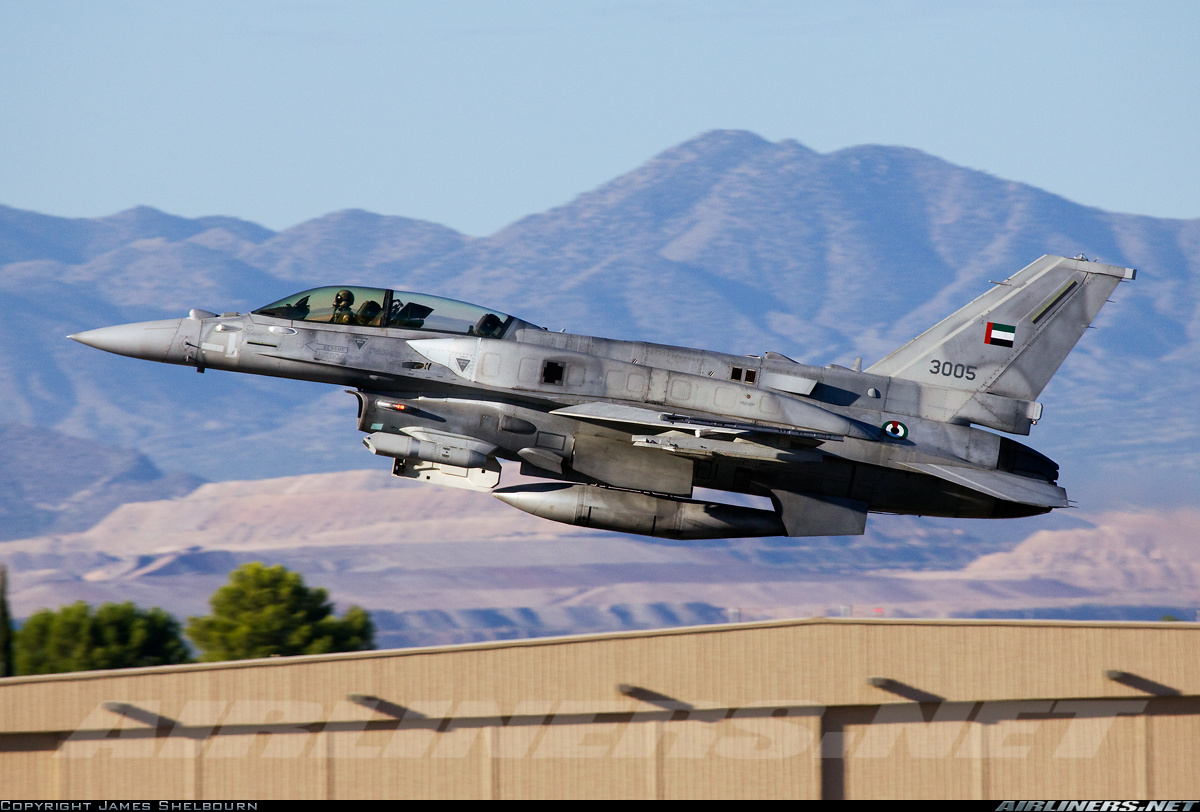
10. Lockheed Martin F-16E/F

1817480

A great sensor suite, including a modern AESA and comprehensive defensive aids systems is combined with advanced weapons and a proven platform; a small radar cross section also helps. However, the type is let down by mediocre ‘high and fast’ performance, fewer missiles than its rivals and a smaller detection range than some of its larger rivals. With Conformal Fuel Tanks its agility is severely limited.

Armament for A2A mission: 4 x AIM-120C-7, 2 x AIM-9X (1 x 20-mm cannon.).

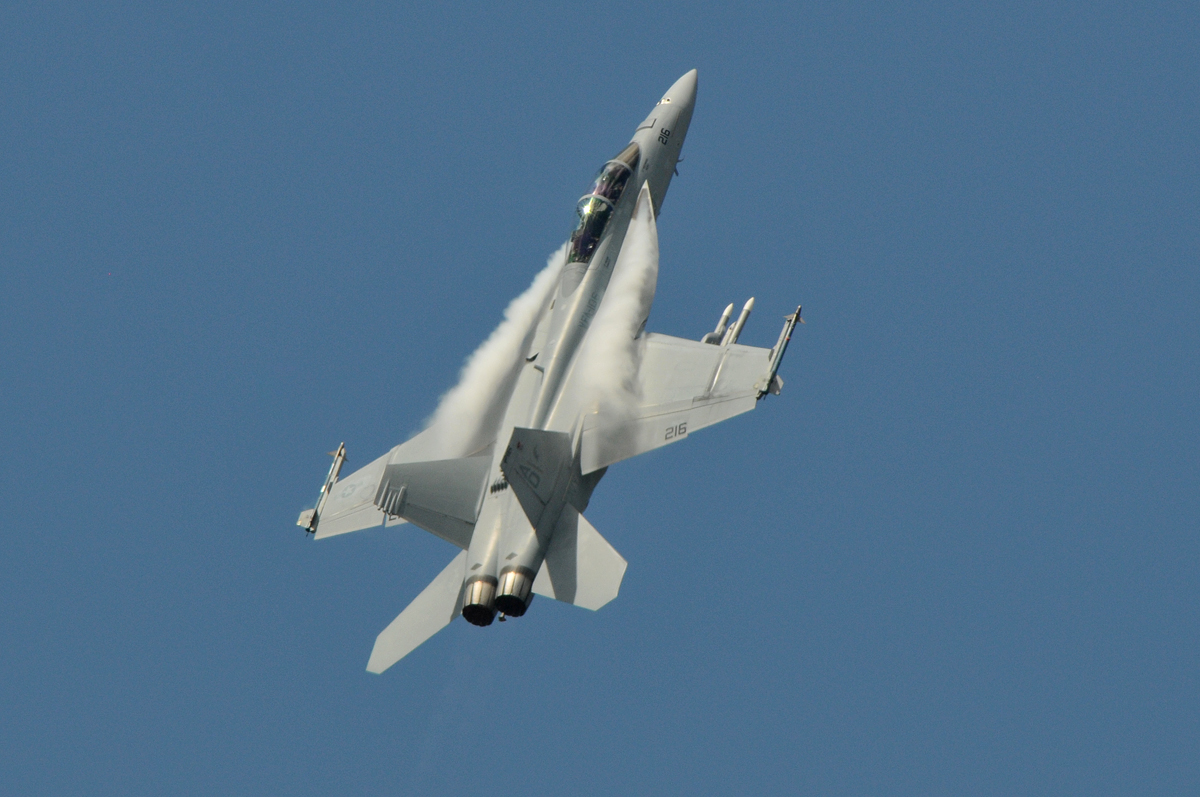
9. Boeing F/A-18E/F Super Hornet

DSC_3153

Well equipped with a great defensive system and excellent weapons the Super Hornet  has much to offer. It is happiest at lower speeds and altitudes  making it a fearsome dogfighter, but is less capable at the BVR mission; a mediocre high-speed high-altitude performance let it down, as does a pedestrian climb rate and acceleration at higher speeds. The touch screen cockpit has disadvantages, as switches and buttons  can be felt ‘blind’ and do not require ‘heads-down’ use. The much-touted AN/APG-79 AESA radars introduced on Block II aircraft has proved unreliable and has enormous development problems. One scathing report said ‘ …operational testing does not demonstrate a statistically significant difference in mission accomplishment between F/A-18E/F aircraft equipped with AESA and those equipped with the legacy radar.’ Read an exclusive interview with a Super Hornet pilot here.

Armament for A2A mission: Super Hornet (high drag ‘Christmas tree’) 12 x AIM-120, realistic = 6 x AIM-120C-7  + 2/4 AIM-9X ) (1 x 20-mm cannon)

8. Grumman F-14 Tomcat (IIRAF)

1907144

The star of ‘Top Gun’ remains active with the Islamic Republic of Iran’s Air Force. Though an aged design it probably retains an impressive ultra-long range engagement capability. As one source said to Hush-Kit ‘Against a US Navy F/A-18, the Tomcat’s radar and AIM-54 are still going to cause a real headache.’

A2A armament:  4 x AIM-54 (remanufactured), 2 x Fatter (local AIM-9P version) (one 20-mm cannon)

Top Ten fictional aircraft here

7. Dassault Rafale

dassault_rafale

In many ways the Dassault Rafale deserves a higher ranking in this top ten. It has great agility, one of the lowest radar cross sections of a ‘conventional’ aircraft and its defensive systems are generally considered superior to those of its arch-rival, the Typhoon. It falls down in its main armament, the MICA, which is generally considered to have a lower maximum range than later model AMRAAMs. It has a little less poke than the Typhoon in terms of  thrust-to-weight ratio leading some potential customers in hot countries to demand an engine upgrade. It has yet to be integrated with a helmet cueing system in operational service and the recent fitment of an AESA, though a publicity coup, is very far from being fleetwide, leaving the vast majority of aircraft with a PESA squeezed into an unfortunately petite nose, a technological cul-de-sac lacking the flexibility of the pure AESA of its US rivals (though it is still a highly regarded sensor).

A2A armament: 6 x MICA (possibly 8 if required, though this has not been seen operationally)  (one 30-mm cannon)

6. McDonnell Douglas F-15C (V) 3 Eagle/Boeing F-15SG

Though the famously one-sided score sheet of the F-15 should be taken with a pinch of salt (Israeli air-to-air claims are often questionable to say the least), the F-15 has proved itself a tough, kickass fighter that can be depended on. It lacks the agility (certainly at lower speeds) of its Russian counterparts, but in its most advanced variants has an enormously capable radar in the APG-63(V)3. The F-15 remains the fastest Western fighter to have ever entered service, and is currently the fastest non-Russian frontline aircraft of any kind in the world. The type is let down by a giant radar cross section, a massive infra-red signature and an inferior high altitude performance to a newer generation of fighters.

A2A armament: 6 x AIM-120C-7, 2 x AIM-9X (1 x 20-mm cannon)

Republic of Singapore Air Force F-15SG lands Oct. 3, 2012, at Eielson Air Force Base, Alaska. The aircraft is assigned to the 428th Fighter Squadron Mountain Home Air Force Base, Idaho Alaska for the RedFlag-Alaska exercis (1

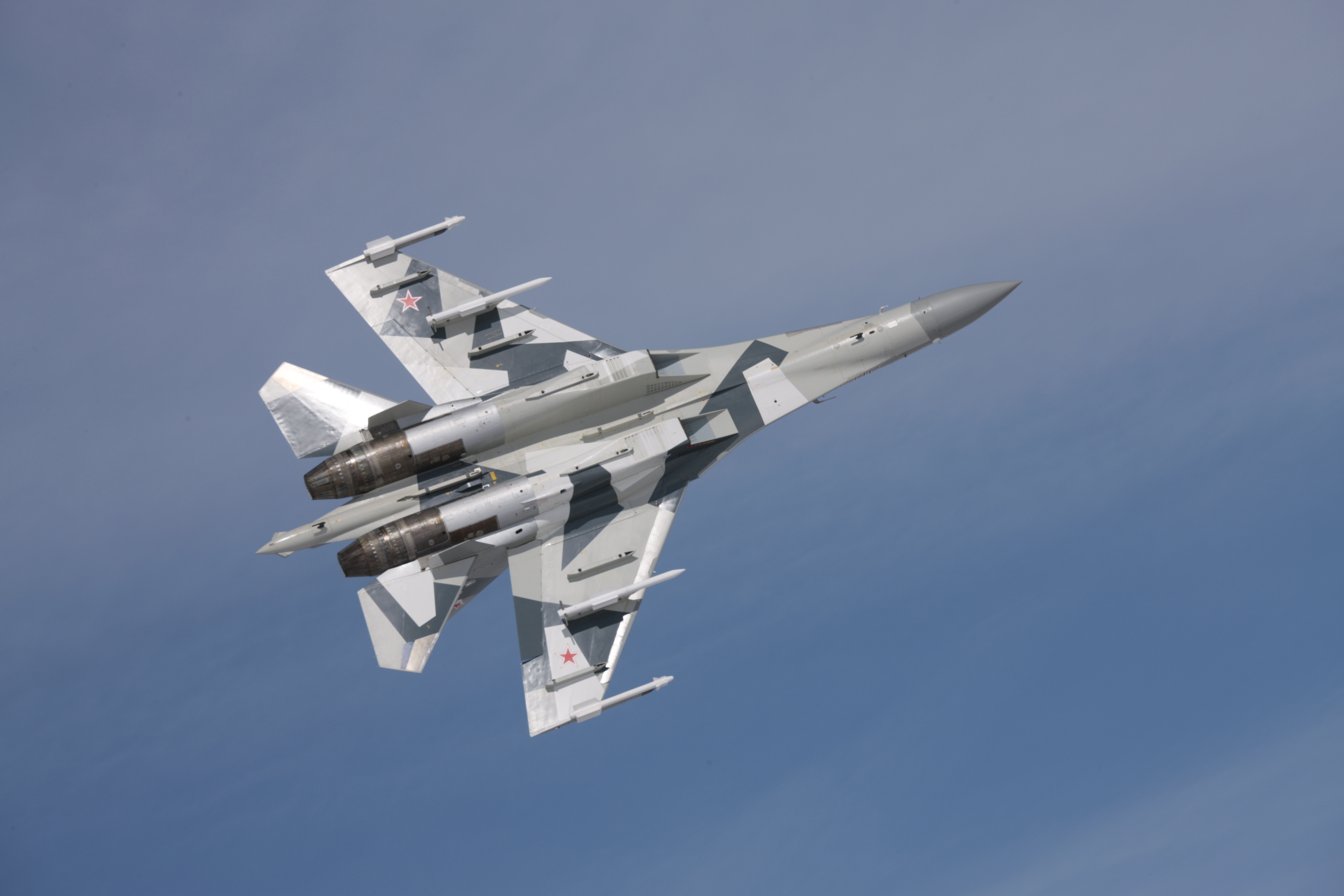
5. Sukhoi Su-30MK

The most capable official members of Sukhoi’s ‘Flanker’ family are the export Su-30MKs. Agile and well-armed they are formidable opponents. Armed with ten missiles the Su-30 has an impressive combat persistence and is able to fly impressively long distance missions. The radar is a large, long-ranged PESA (featuring some elements of an AESA) and Indian aircraft carry particularly good Israeli jamming pods. The type has proved itself superior to both the RAF’s Tornado F.Mk 3 and USAF’s F-15C in exercises, though the degree of dominance over the F-15C is marginal to the point that superior training, tactics and C3 saw the US lord over the type in later exercises. The pilot workload is higher than in later Western designs, the engines demanding  to maintain and the vast airframe has a large radar cross section.

A2A armament: 6 x R-77, 4 x R-73 (1 x 30-mm cannon)

Su30MKI-07

4. Shenyang J-11B

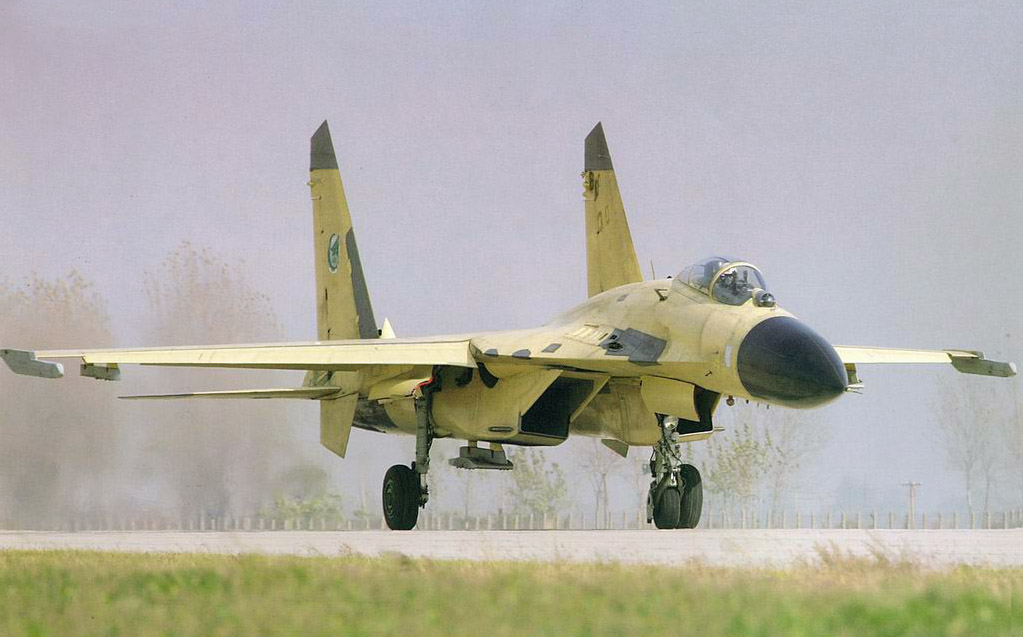
The Chinese pirate version of the ‘Flanker’ features a reduced radar cross section and improved weapons and avionics. With the latest Type 1474 radar (with a 100 miles + range) and the highly-regarded PL-12 active radar AAM, it is an impressive fighter.

6 x PL-12, 4 x PL-10 (or R-73E) + ( 1 x 30-mm cannon)

j11b-prototype

3. Mikoyan MiG-31BM

The recent

The fastest modern fighter in the world, with a top speed of Mach 2.83, the MiG-31 offers some unique capabilities. No aircraft has a longer air-to-air weapon than the type’s huge R-33, which can engage targets well over 100 miles away. Designed to hunt in packs of four or more aircraft the type can sweep vast swathes of airspace, sharing vital targeting information by data-link with other aircraft. The enormous PESA radar was the first ever fitted to a fighter. The type is marred by a mountainous radar cross section and poor agility at lower speeds. More on the MiG-31 here and here.

 4 x R-33, 2 x R-40TD (1 x 23-mm cannon)

mig-31

2. Eurofighter Typhoon

A high power-to-weight ratio, a large wing and a well designed cockpit put the Typhoon pilot in an advantageous position in a BVR engagement. Acceleration rates, climb rates (according to a German squadron leader it can out-climb a F-22) and agility at high speeds are exceptionally good. Pilot workload is very low compared to most rivals and the aircraft has proved reliable. The type will be the ‘last swinging disc in town’ as it will be among the last modern fighters to feature a mechanically scanned radar; the Captor radar may use an old fashioned technology but it still a highly-rated piece of kit. It has a smaller radar cross section than both the F-15 and Su-30 and superior high altitude performance to Rafale. Combat persistence is good and the AIM-132 ASRAAM of RAF aircraft are reported to have a notable BVR capability.

A2A armament (RAF): 6 x AIM-120C-5, 2 x AIM-132 (1 x 27-mm cannon)

eurofighter_typhoon_flying-other

1. Lockheed Martin F-22 Raptor

Undisputed king of beyond-visual range air combat is the F-22 Raptor. Its superbly stealthy design means it is likely to remain undetected to enemy fighters, calmly despatching its hapless opponents. The type’s excellent AESA radar is world class, and its ‘low-probability of interception’ operation enables to see without being seen. When high-altitude limitations are not in place (due to safety concerns) the type fights from a higher perch than F-15s and F-16s, and is more frequently supersonic. High and fast missile shots give its AMRAAMs far greater reach and allow the type to stay out harm’s way. The F-22 is expensive, suffers from a poor radius of action for its size and has suffered a high attrition rate for a modern fighter.

6 x AIM-120C-5 + 2 x AIM-9M (1 x 20-mm cannon)

Help us give you more by donating to Hush-Kit here – even £1 is appreciated and it takes 10 seconds 

F-22A_raptor_lanza_un_aim-120d_amraam

Let’s get in to the merge, Top Ten Dogfighters here

By Joe Coles &  Thomas Newdick

Thank you for reading Hush-Kit. Our site is absolutely free and we have no advertisements. If you’ve enjoyed an article you can donate here– it doesn’t have to be a large amount, every pound is gratefully received. If you can’t afford to donate anything then don’t worry.

At the moment our contributors do not receive any payment but we’re hoping to reward them for their fascinating stories in the future.

As a thank you….


Those who donate more than £50 may ask for a short article on a particular subject.

Those who donate more than £100 may ask for a long article on a particular subject.

Find out about the latest Hush-Kit articles on Twitter: @Hush_kit

Who was Sweden’s flying farm girl?

Want to submit an article for Hush-Kit? Contact: hushkiteditorial@gmail.com


safe_image.jpg

“If you have any interest in aviation, you’ll be surprised, entertained and fascinated by Hush-Kit – the world’s best aviation blog”. Rowland White, author of the best-selling ‘Vulcan 607’

I’ve selected the richest juiciest cuts of Hush-Kit, added a huge slab of new unpublished material, and with Unbound, I want to create a beautiful coffee-table book. Pre-order your copy now right here  


TO AVOID DISAPPOINTMENT PRE-ORDER YOUR COPY NOW

From the cocaine, blood and flying scarves of World War One dogfighting to the dark arts of modern air combat, here is an enthralling ode to these brutally exciting killing machines.

The Hush-Kit Book of Warplanes is a beautifully designed, highly visual, collection of the best articles from the fascinating world of military aviation –hand-picked from the highly acclaimed Hush-kit online magazine (and mixed with a heavy punch of new exclusive material). It is packed with a feast of material, ranging from interviews with fighter pilots (including the English Electric Lightning, stealthy F-35B and Mach 3 MiG-25 ‘Foxbat’), to wicked satire, expert historical analysis, top 10s and all manner of things aeronautical, from the site described as:

“the thinking-man’s Top Gear… but for planes”.

The solid well-researched information about aeroplanes is brilliantly combined with an irreverent attitude and real insight into the dangerous romantic world of combat aircraft.

FEATURING

        • Interviews with pilots of the F-14 Tomcat, Mirage, Typhoon, MiG-25, MiG-27, English Electric Lighting, Harrier, F-15, B-52 and many more.
        • Engaging Top (and bottom) 10s including: Greatest fighter aircraft of World War II, Worst British aircraft, Worst Soviet aircraft and many more insanely specific ones.
        • Expert analysis of weapons, tactics and technology.
        • A look into art and culture’s love affair with the aeroplane.
        • Bizarre moments in aviation history.
        • Fascinating insights into exceptionally obscure warplanes.

The book will be a stunning object: an essential addition to the library of anyone with even a passing interest in the high-flying world of warplanes, and featuring first-rate photography and a wealth of new world-class illustrations.

Rewards levels include these packs of specially produced trump cards.

Pre-order your copy now right here  


I can only do it with your support.

F-22A_raptor_lanza_un_aim-120d_amraam