MY FAVOURITE AEROPLANE IN 200 WORDS #33 Cessna 172 by Jakob Whitfield

Image

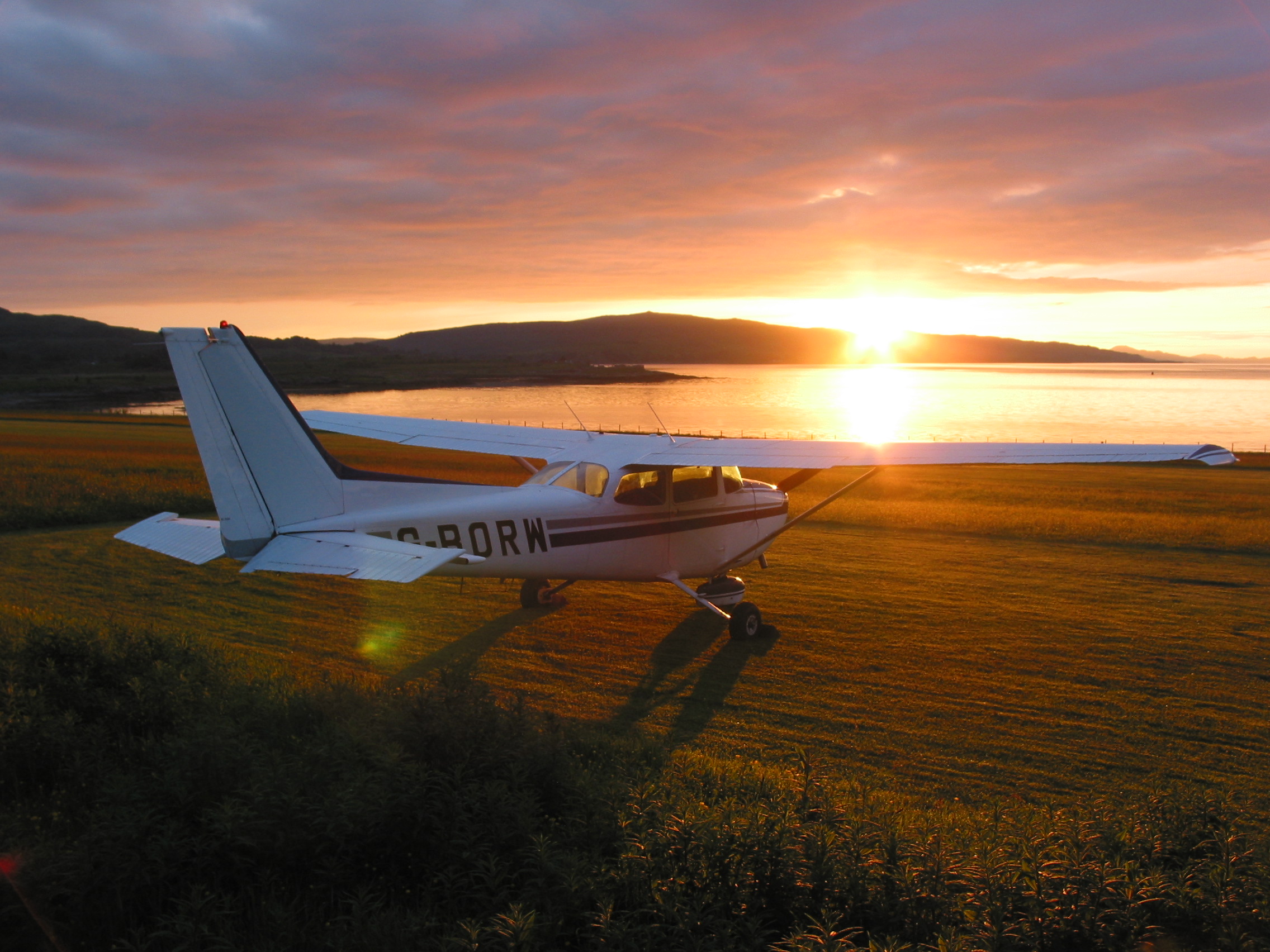
I couldn’t tell you my favourite aircraft type – how to choose? But I could immediately tell you my favourite individual aircraft: on the 14th of September 2002 a Cessna 172, N9017H, won my heart. I’m probably not alone; with over 48,000 built, the 172 is the most produced aircraft in history (I just asked Cessna so I know this figure is right).

 Image

I encountered my Skyhawk on a summer internship in the US as a local flying school was offering a half-hour taster lesson for $49. The control panel seemed somehow familiar (as a teenager I’d clocked up countless hours flying Cessnas in Microsoft Flight Simulator on my ancient PC).

cessna-sunset

As we taxied out I realised that real flight offered an excitement that simulations could not even hint at. Everything was pure sensation- every bump and movement through the seat. Pedestrian though the Skyhawk might seem to some, for the duration of two circuits and bumps I was transformed. I was Blake, the pagan bird-man from JG Ballard’s story ‘The Unlimited Dream Company’. I was a godling at one with the aircraft.

Landing was as much an emotional as a physical come-down.

I never had a second lesson; Lack of funds and my return home meant a return to silicon-bound flying. But I still smile whenever I see a 172.

Jakob Whitfield has been obsessed with aeroplanes from a very early age. He keeps an occasional blog about the history of technology at http://thrustvector.wordpress.com

Find out about the latest Hush-Kit articles on Twitter: @Hush_kit

Who was Sweden’s flying farm girl?

Want to submit an article for Hush-Kit? Contact: hushkiteditorial@gmail.com

05pistons-skyhawka

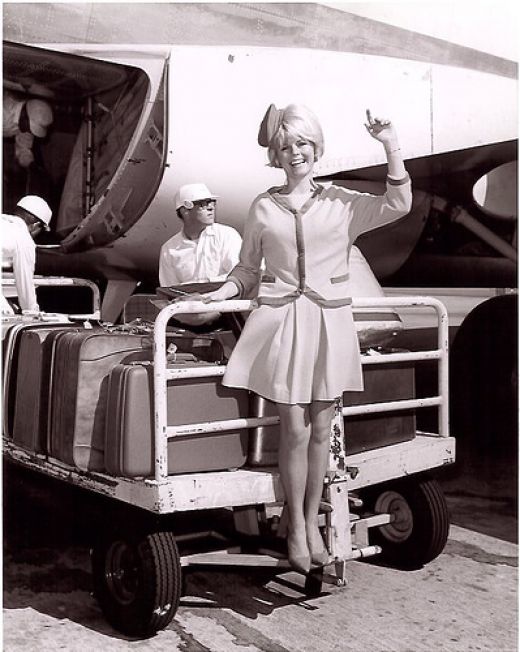
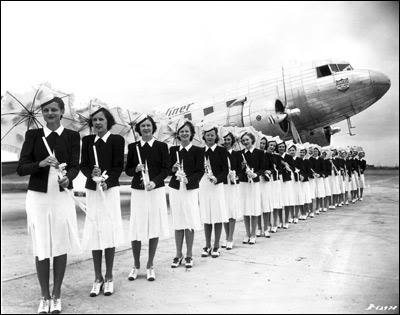
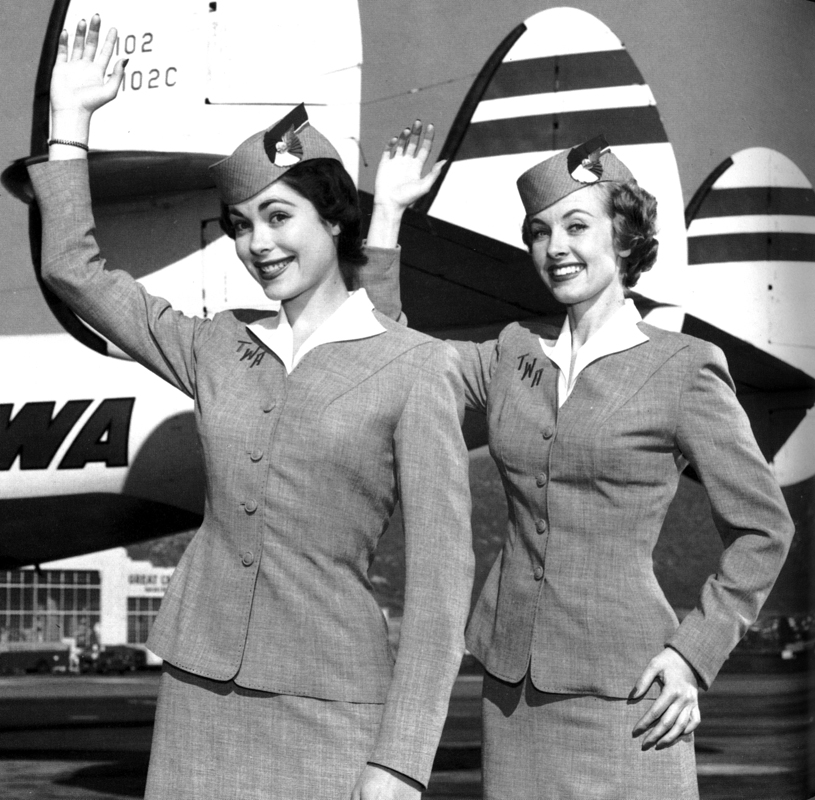
Air Hostesses! A gallery: 1940s-1970s

In 1912 Heinrich Kubis became the first flight attendant. It wasn’t until 1930 that a nurse called Ellen Church became the first female flight attendant or ‘air hostess’. By 1936 women were in the majority in this position, in the same year the New York Times reported “The girls who qualify for hostesses must be petite; weight 100 to 118 pounds; height 5 feet to 5 feet 4 inches; age 20 to 26 years. Add to that the rigid physical examination each must undergo four times every year, and you are assured of the bloom that goes with perfect health.”   With such patriarchal guidelines it was unsurprising that by the 1960s the air hostess had become a popular sexual fantasy figure. Women applying for this  job were abhorrently discriminated against for their appearance (predominately their weight, height and perceived attractiveness) as well as their marital status (in many airlines, only single women were offered the position).  Despite this, the career offered an exciting adventure at a time when many paths were closed to women. Some air hostesses from the 1960s speak of a ‘golden era’ before regulations were effectively enforced; a Rock ‘n ‘Roll life time of hard-drinking, promiscuity and glamorous locations. For better and for worse the age of the air hostess is over. Please fasten your seatbelt, close your table and prepare for your flight.

This slideshow requires JavaScript.


Duty Free: an aeronautical poem by Heathcote Ruthven

Image

Airports, Augé’s perfect non-place. Airplanes, Aeroplanes, the sublime made banal. Aviator, on iPlayer now. The research done by environmental psychologists into the impact of airports on local residents is contested, but there is definitive evidence linking proximity to airports with exposure to high-intensity noise – associated with complaints of “headaches, nausea, instability, irritability, anxiety, sexual impotence, and changes in affect or mood”. More or less the most recent flight I took was to New York. Lost, we walked from my house in Ladbroke Grove to Heathrow airport, that’s another story, but when we got there we met a Hungarian employee who let us sit in the VIP section of the waiting area for the night. I was listening to him just the other day actually (the evening was dictaphoned). He was an alcoholic who discussed with us the pitfalls of mixing beers and spirits. On the flight I watched Bonnie and Clyde three times (it was my first time) and when I came out the other side, I walked JFK to Chelsea (unoriginal I know). The first palm reader I ever met took $20 to offend me. Whilst breastfeeding, she told me that I was in transit…on a journey of some kind…and that, I attracted negative energy – lots of it. The solution was an absorbent negative energy crystal sponge. I refused this point blank, as it cost $130, and haul my menacing freight to this day. I fell asleep/and missed the moon/for this want/I darkened a room/lit a candle/with many moon-like angles/and wondered while this handle/gave me such gloom.

by Heathcote Ruthven

More on aviation poetry here follow my vapour trail on Twitter: @Hush_kit

Image

All helicopters blow up: The Hollywood guide to aviation

Image

Airliners are inhabited by lovers whose timing is all wrong – unless they never make it to the plane as they are intercepted at the airport by their other half running in at the last moment. Airliners are full of lovely family people whose lives will be savagely cut short by the crash. They are full of sweating terrorists and inexplicably awful folk to sit next to. Air hostesses may want to have sex with you, or they might just want to be heroic in an emergency. Your plane is far more likely to crash if the pilot is an excellent husband.

 Image

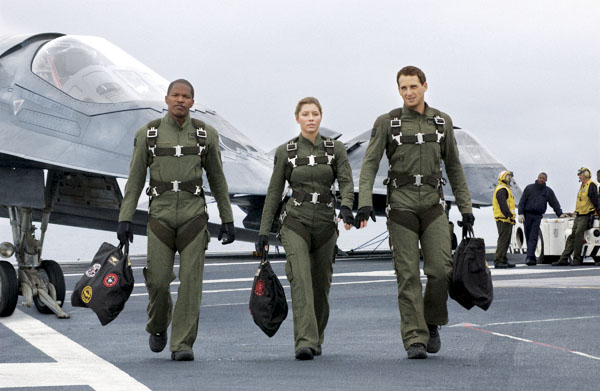
Fighters are flown by handsome men with unprofessional attitudes and innate skills. Their main use is to kill space ships, communists or Nazis. Wingmen die. Every fighter plot has an equally skilled nemesis and a psychological flaw. Formations are always close, pilots can be white, black or fat, occasionally female, but not East Asian. Fighter pilots celebrate surviving a dangerous mission by flying in a dangerous way. Here’s some great fictional aircraft.

All helicopters blow up, unless they are transporting the hero home at the end of the film. If so they are likely to be bathed in a gorgeous sunset. Helicopters can be shot down easily with small hand-held weapons, but the easiest way is to confuse the pilot into flying into a natural obstacle. They like landing on skyscrapers. The skids are often held onto by heroes (whose arms are often trampled on by baddies). Helicopters can also be used by repressive governments, cool American special soldiers or by thoughtful and damaged souls in Vietnam. Very hi-tech helicopters are used by really kick-ass good guys. Helicopters often stalk lone escaping blokes who hide behind rocks.

Seen the trillions spent on axed aeroplanes?

Surface-to-air missiles are used by arseholes. They can generally be defeated by hard manoeuvring, but the third is likely to be the one that downs you (or kills your wingman). They almost killed Superman and they are used by cowards, not manly enough to punch flying things out of the sky with their own fists.

Bombers are flown by brave young men, unless they’re enemy and then they’re flown by pale men in goggles. The oldest guy is the boss, and one of the aircrew has red hair. They’ve been hand-selected as they’re the best crew. Dive-bombers and ground attack aircraft are normally used by pricks or nasty regimes.

Private jets are generally flown by dickheads, usually criminals. They are used for escaping quite a bit. People who have them tend to have harems of busty women.

 Image

Transport (military cargo) aircraft have a ramp that is ideal for fighting. They tend to be in Africa and crewed by people with foreign accents. A flight rarely goes by without someone being thrown out in a punch-up (our man has a parachute). These aircraft can also contain troubled Westerners who’ve been immersed in the hell and chaos of foreign places.

Ohh, and biplanes tend to fly upside down… it is often necessary to leave the cockpit in all aircraft types and do something dangerous by crawling around on the plane, it’s OK though as this normally works.

Follow my vapour trail on Twitter: @Hush_kit

Thank you for reading Hush-Kit. Our site is absolutely free and we have no advertisements. If you’ve enjoyed an article you can donate here– it doesn’t have to be a large amount, every pound is gratefully received. If you can’t afford to donate anything then don’t worry.

At the moment our contributors do not receive any payment but we’re hoping to reward them for their fascinating stories in the future.

As a thank you….


Those who donate more than £50 may ask for a short article on a particular subject.

Those who donate more than £100 may ask for a long article on a particular subject.

Image

Axed! The trillion dollar list of shame: The 14 Most Expensive Cancelled Aircraft

ImageThe amount that has been spent on aircraft projects that have been cancelled is colossal. In assembling this list I’ve been surprised a few times: the Bristol Brabazon didn’t make it, yet a few in the top five I hadn’t even considered. I’ve tried to be sensible, not including projects that spawned actual aircraft- like the B-1A, but including radical variants like the two cursed Nimrods.

I’ve avoided aircraft where no figures where available (so no Sukhoi T-4 or XFV-12). With so many variables to get wrong (unreliable figures, time and currency conversion rates among many) I accept that this is at best a rough guide. I do however hope you enjoy it and that, in a small way, it serves to highlight the wasteful nature of the weapon procurement process.

This site exists thanks to people like you donating. Help us carry on by using the donation buttons above and below. Many thanks.

14. Saunders-Roe Princess £10 million in 1950 prices

Image

13. Hughes XF-11 

$14 million in 1946

Hughes XF-11 Photo-Reconnaissance Aircraft | Old Machine Press

$235,958,462 in 2024 dollars 

12. Hughes H-4 Hercules $23 million in 1946 dollars (circa $275 million in 2013 figures)

Image

Bristol 188

The Bristol 188 cost £20 million in 1962 – the equivalent of £534.77 million in 2024. This wasn’t really a cancellation as it was research aircraft, hence no ranking number in this list. 

The Bristol 188 Flaming Pencil - Supersonic Stainless Steel

11. British Aerospace Nimrod AEW3 £1 billion 1986 pounds

Image

10. Compass Arrow

Compass Arrow at the National Museum of the United States Air Force. (U.S. Air Force photo)

$2 billion in 2024 dollars

9. FARA helicopter programme 

$2.4 billion

8. Martin P6M SeaMaster $400 million in 1953 dollars (circa 3.4 billion in 2013 dollars)

Image

7. McDonnell Douglas A-12 Avenger II circa $2 billion in 1991 dollars (3.44 billion in 2013) + ongoing legal fees. Check out the ten worst carrier aircraft.Image

6. BAE Systems Nimrod MRA4 £3.8 billion in 2010 pounds

Image

5 .Boeing-Sikorsky RAH-66 Comanche circa $7 billion in 2004 dollars (8.67 in 2013 figures). This reminds me, here’s what helicopters do in Hollywood

Image

4. Northrop XB-35 $522 million in 1946 (6+ billion)

Image

3. Boeing SST

$8 billion (in 2024 USD)

2.  British Aircraft Corporation TSR. 2 £450 million in 1965 pounds. £ Seven billion two hundred ninety-four million five hundred thousand in 2024. More on TSR.2 hereImage

1. North American XB-70 Valkyrie $1.5 billion in 1966 dollars (10.81 in today dollars)

Image

UPDATE: I will add the Boeing 2707 when I find good figures.

If this article interests you, support Hush-Kit.net with a donation (buttons above and below). If this goes well we’ll be able to give you much more! Recommended donation £12. Many thanks for helping to keep us impartial and independent. 

You may also enjoy 11 Cancelled French aircraft or the 10 worst British military aircraft, Su-35 versusTyphoon, 10 Best fighters of World War II , Su-35 versus Typhoon, top WVR and BVR fighters of today, an interview with a Super Hornet pilot and a Pacifist’s Guide to Warplanes. Flying and fighting in the Tornado. Was the Spitfire overrated? Want something more bizarre? Try Sigmund Freud’s Guide to Spyplanes. The Top Ten fictional aircraft is a fascinating read, as is The Strange Story and The Planet Satellite. The Fashion Versus Aircraft Camo is also a real cracker. Those interested in the Cold Way should read A pilot’s guide to flying and fighting in the Lightning. Those feeling less belligerent may enjoy A pilot’s farewell to the Airbus A340. Looking for something more humorous? Have a look at this F-35 satire and ‘Werner Herzog’s Guide to pusher bi-planes or the Ten most boring aircraft. In the mood for something more offensive? Try the NSFW 10 best looking American airplanes, or the same but for Canadians. 10 great aircraft stymied by the US. 

Edit: Convair 880

Pre-order your copy now right here  

I can only do it with your support.

Image

Hunters over Peru!

Image

Hawker test pilot DUNCAN SIMPSON recalls a posting to South America in 1956 to oversee the introduction of the Hunter Mk 52 into Peruvian Air Force service — “five of the most difficult months of my life . . .”

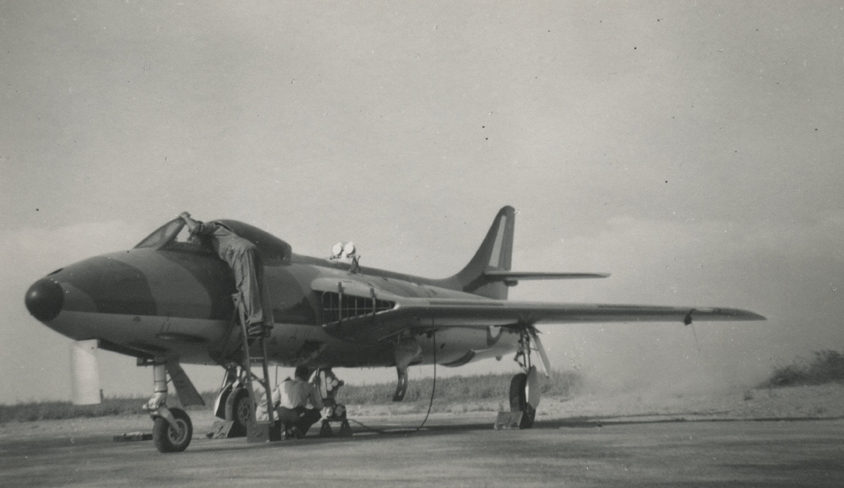
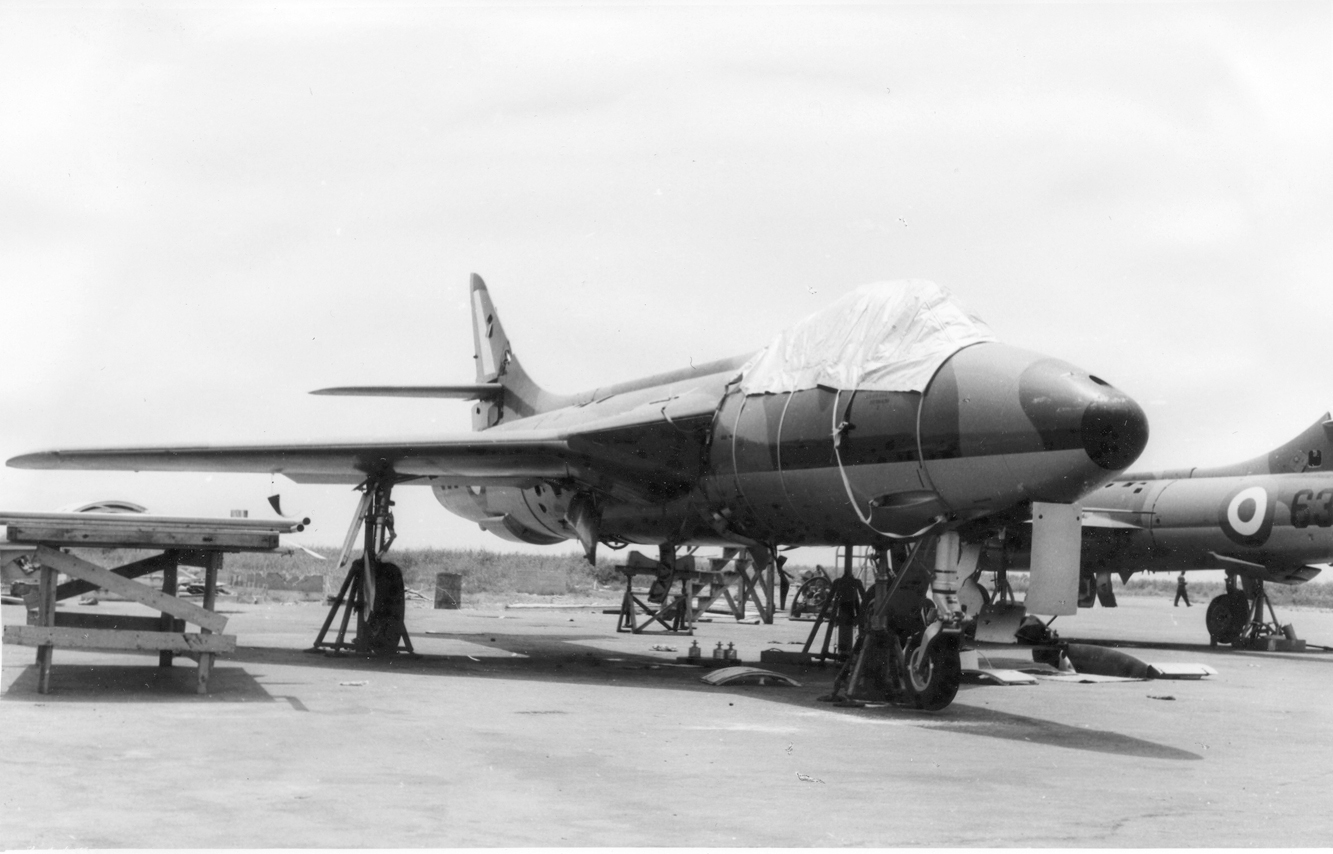
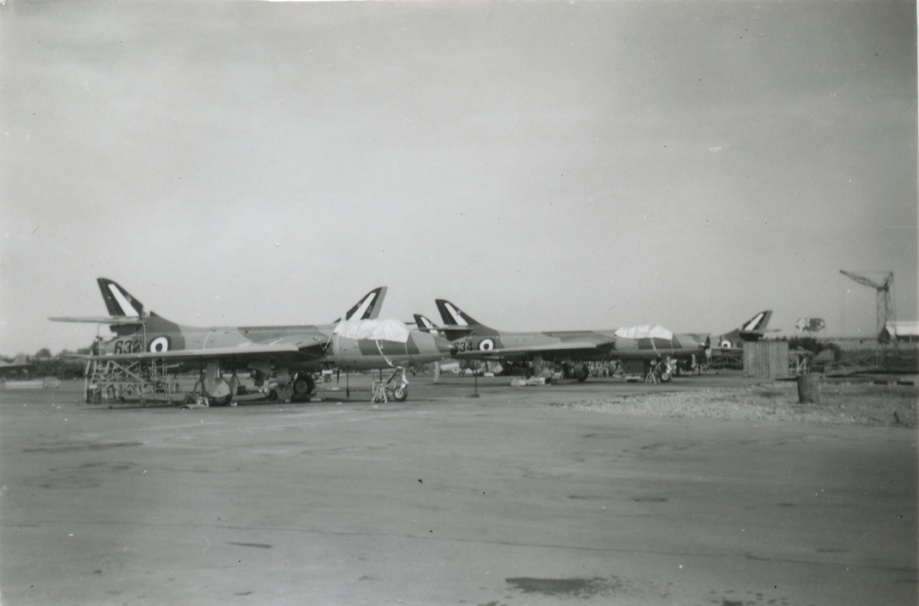
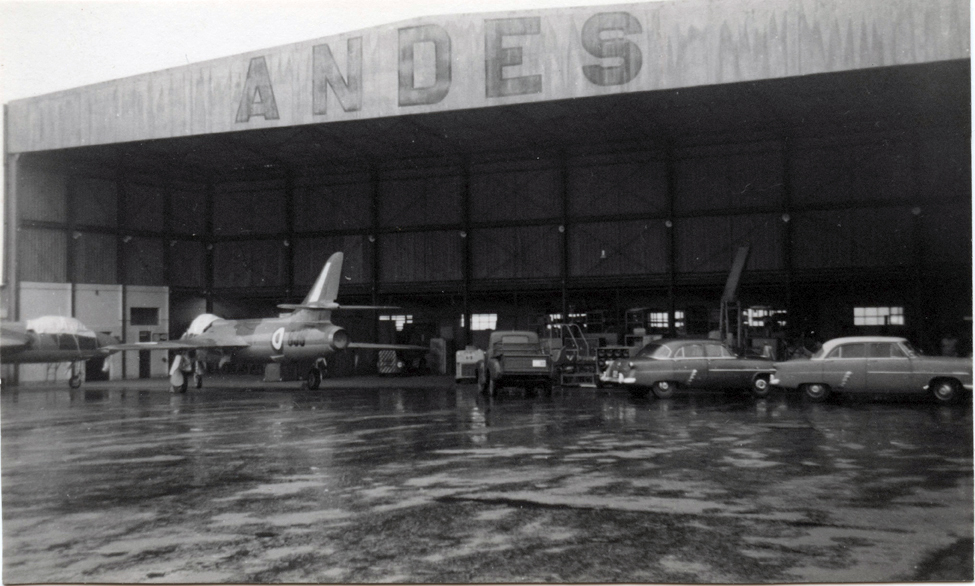
By late 1955 the first of the reconditioned ex-RAF Hunter F.4s purchased by Peru, designated Mk 52s, were ready to be delivered, so at the beginning of March 1956 I started preparing to depart for South America, where I was to oversee the assembly of the aircraft and train the pilots of the Peruvian Air Force to fly them.

Image

By mid-April I was ready to begin the Hunters’ test-flying programme. It was a critical moment. Limatambo was essentially a civil airport and the loose gravel surface of the runways was hardly ideal for jet aircraft, although its length of 2,000yd (6,000ft — 2,200m) was adequate. Both runways were flanked on either side with a flourishing cotton crop, and the undershoot and overshoot areas had their share of obstructions, including a 10ft (3m)-high brick wall at one end.

 Image

I could afford to wait until the weather conditions were good to start the flying programme — which was just as well, as there were no navigation aids and no radar. Eventually, on April 18, 1956, I made the first flight of the first of the 16 Hunter Mk 52s, from Limatambo airport.

On May 22, Peruvian pilots made six flights in the new fighters, led by the Group Commander, Col Fernando Paraud, a likeable rogue who had previously flown a 20min sortie in a Hunter at Dunsfold. He and his colleagues, Mayor Leon Melgar and the Flight Commander and senior pilot, Capitán Alberto Thorndike, very soon completed the conversion course and later flew each aircraft on an official acceptance check. I had to do all the briefing; fortunately the standard of pilots, who were all trained in the USA, was high.

 Image

While supervising pilot conversion I continued to fly the aircraft after they were assembled. I did enjoy being let loose from the daily frustrations at Limatambo. I had to take infinite care over the test flying; the luxuries at Dunsfold just did not exist in this fascinating environment. Usually I would climb to 50,000ft to the south, with the Andes to my left and the Pacific Ocean to the right, ending up overhead the settlement of Pisco.

ImageIn the event of problems arising I had no emergency retreat, apart from returning to Limatambo. I usually took time off at the end of each test flight to fly out over the Andes, the massive mountains rising to 20,000ft. Unlike the Alps, the snow level was very high, so the mass of mountains appeared to be a variety of shades of brown rock stretching as far as the eye could see. Frequently I could see signs of human building in the most remote and inaccessible places — possibly Inca remains.

For the full previously unpublished story, illustrated with the author’s photographs, see Hunters Over the Andes in Issue No 2 of The Aviation Historian — www.theaviationhistorian.com.

Image

Thank you for reading Hush-Kit. Our site is absolutely free and we have no advertisements. If you’ve enjoyed an article you can donate here. At the moment our contributors do not receive any payment but we’re hoping to reward them for their fascinating stories in the future.

Have a look at 10 worst British military aircraft, Su-35 versus Typhoon, 10 Best fighters of World War II , top WVR and BVR fighters of today, an interview with a Super Hornet pilot and a Pacifist’s Guide to Warplanes. Was the Spitfire overrated? Want something more bizarre? The Top Ten fictional aircraft is a fascinating read, as is The Strange Story and The Planet Satellite. The Fashion Versus Aircraft Camo is also a real cracker. Those interested in the Cold Way should read A pilot’s guide to flying and fighting in the Lightning. Those feeling less belligerent may enjoy A pilot’s farewell to the Airbus A340. Looking for something more humorous? Have a look at this F-35 satire and ‘Werner Herzog’s Guide to pusher bi-planes or the Ten most boring aircraft. In the mood for something more offensive? Try the NSFW 10 best looking American airplanes, or the same but for Canadians. 

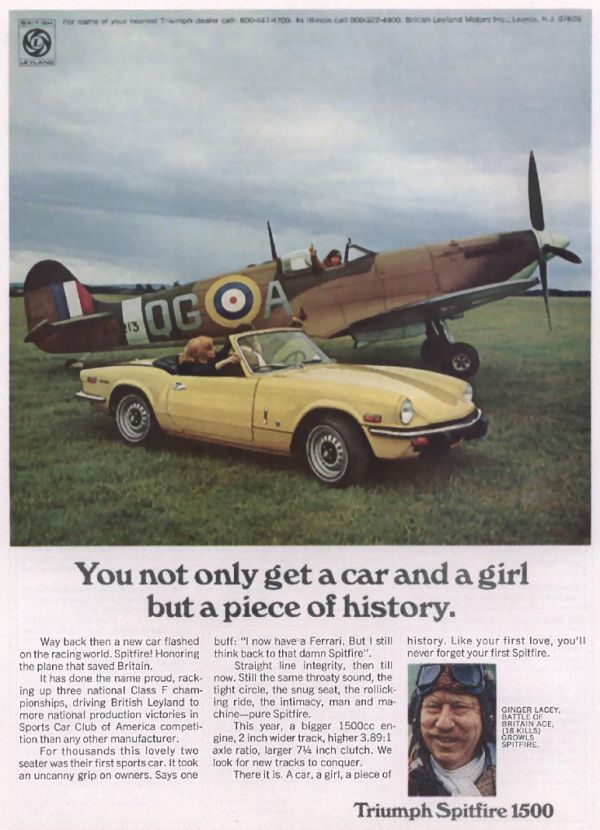
Triumph Spitfire Versus Supermarine Spitfire: Cars fight their flying namesakes

Image

Cars and planes often share names. Sometimes it’s because car manufacturers want to evoke the glamour of the plane and sometimes it’s coincidence. We pit these namesakes against each other, to find out see which is more worthy of their name. Contestants ready? Fight!!

Round 1. Buick Wildcat II versus Grumman F4F Wildcat

Image

Winner: Grumman F4F Wildcat

Round 2: Triumph Spitfire Versus Supermarine SpitfireImage

Winner: Supermarine Spitfire

Round 3: Volkswagen Caravelle Versus Sud Aviation SE 210 Caravelle

Image

Winner: Sud Aviation SE 210 Caravelle

Round 4: Mitsubishi Mirage Versus Dassault Mirage III

Image

Winner: Dassault Mirage III

Round 5: Lincoln Zephyr Versus QinetiQ Zephyr

Image

Winner: Lincoln Zephyr

Final score: Planes 4  Cars 1

Other examples include:

Airspeed Ambassador / Austin Ambassador
Atlas Impala / Chevrolet Impala
Beagle Terrier / Leyland Terrier
Beech Baron / Chrysler Le Baron
Beech Sierra / GMC & Ford Sierra
Cessna 208 & 406 Caravan / Dodge Caravan
Cessna 404 Titan / Leyland Titan
Dassault Falcon / Ford Falcon
Fairchild Metro / Austin (Rover) & GEO Metro
HP Herald / Triumph Herald
HP Victor / Vauxhall Victor
IAI Astra / Vauxhall (Opel/Saturn) Astra
Lockheed C-5 Galaxy / Ford Galaxy
Northrop Talon / Eagle Talon
Piper (Ted Smith) PA60 Aerostar / Ford Aerostar
Piper PA22 Colt / Mitsubishi Colt
Piper PA23 Aztec / Pontiac Aztec
Piper PA28 & Bombardier Challenger / Dodge Challenger
Piper PA28 Cherokee / Jeep Cherokee
Piper PA28 Cruiser / Chrysler PT Cruiser
Piper PA46 Malibu / Chevrolet Malibu
Sikorsky S76 Spirit / Dodge Spirit
Sud Caravelle / VW Caravelle
Supermarine Spitfire / Triumph Spitfire
Vickers Vanguard / Vauxhall Vanguard
Vought & Cessna 425 Corsair / Ford Corsair
Vought F7U Cutlass / Oldsmobile Cutlass

If you enjoyed this, have  a look at the top ten British, French, Swedish, Australian,  Japanese and German aeroplanes.

Follow my vapour trail on Twitter: @Hush_kit

See the donate buttons at the top and bottom of this page? That’s how you can help this aviation blog keep going. Your help is vital. Many thanks :-) 

The ten worst carrier aircraft

Image

Building an aircraft tough and steadfast enough to operate safely from an aircraft carrier is extremely difficult. Sadly, many of the aircraft sent to operate from carriers were not good enough, with the result that thousands of men died trusting their lives to an inappropriate machine. Here’s a list of ten aircraft that should never have been sent to sea….

10. Supermarine Seafire Mk XV

The first Griffon-engined Seafires did not like being on carriers. They had a tendency to veer to the right on take-off, smashing into the carrier’s island superstructure.

Seafire F Mk XV

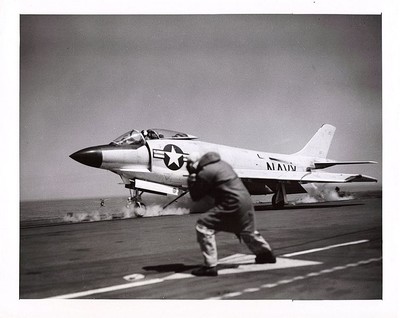
9. McDonnell F3H Demon

An unreliable single engine prone to compressor stalls and flame-outs, insufficient power. Oh..and a dodgy ejection seat. You can learn more about Demon losses here.

Image

8. Supermarine Scimitar

Too much too soon. High maintenance hours, an appalling attrition rate of 51 per cent. A worse fighter than the Sea Vixen, a worse bomber than the Buccaneer.  Find the ten most expensive cancelled aircraft here

Image

7. Ryan FR-1 Fireball

The Fireball had unreliable engines and a flawed undercarriage. It was also the wrong concept.

Image

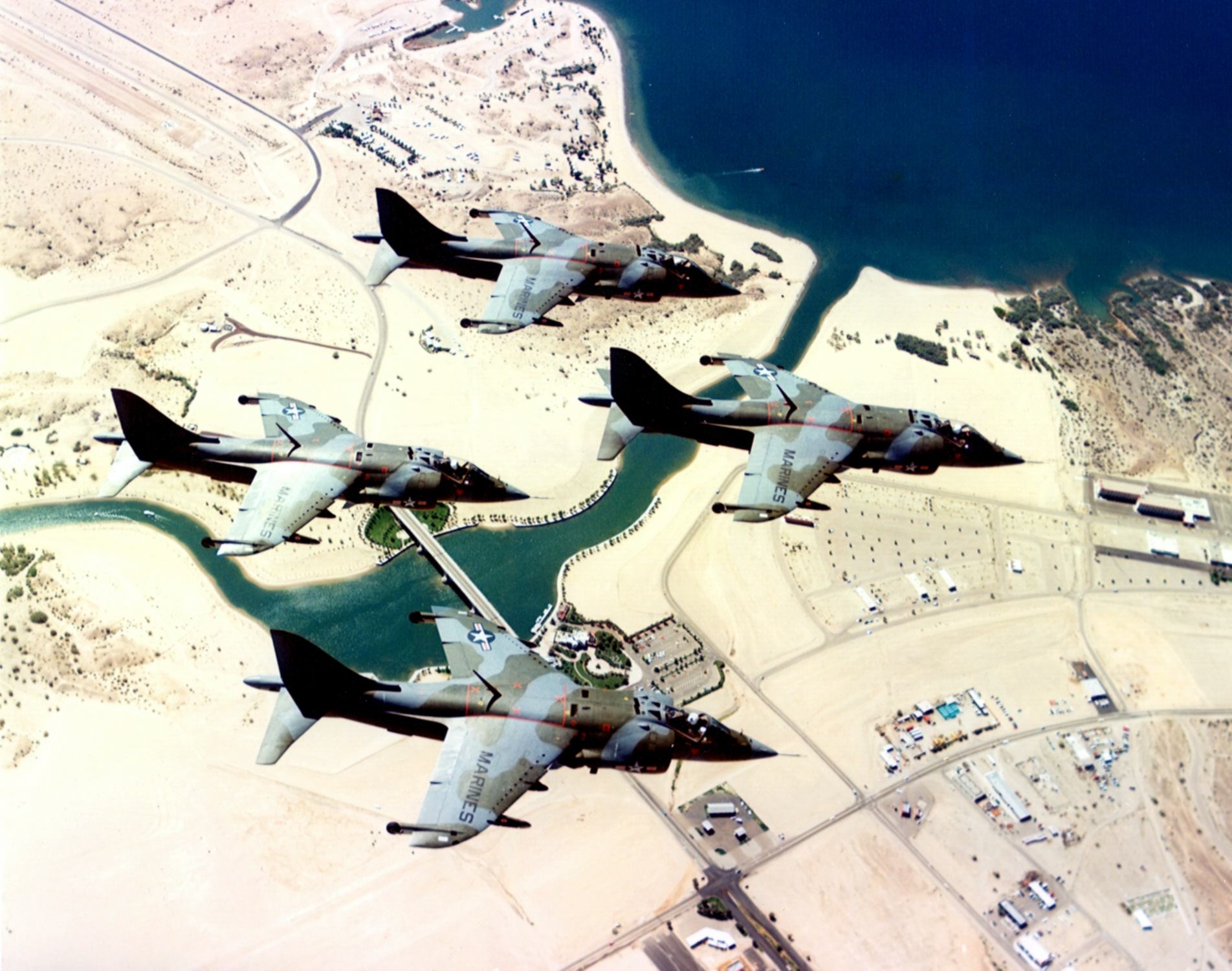
6. AV-8A (and to a lesser extend B)

By 2003 143 major AV-8 non-combat accidents, killing 45 aviators, destroying one third of the Harrier fleet.

Image

5. Blackburn Firebrand

An evil, scandalous pilot-killer.

Image

4. Westland Wyvern

“Weighing 650 pounds shy of a loaded Dakota it was nonetheless expected to operate off dinky 1950s RN carriers. Tellingly, its main claim to aviation immortality derives not from any superlative quality of the aeroplane itself but a desperate desire to escape it.” Of 127 built, 39 were lost to accidents.

Learn more about the bizarre Wyvern here.

Image

3. Yakovlev Yak-38

The rather cute Yak-38 had a tiny range and a tiny weapon load. In some ways it had the offensive capabilities of a World War I fighter, it also didn’t like taking-off when the weather was any warmer than tepid. On a related subject, there’s a great article on Britain’s P.1154 here.

Image

2. Blackburn Roc

A maximum speed (at sea level) of 194 mph was simply suicidal for a fighter facing the Luftwaffe’s ‘109s. Add terrible agility, no forward-firing guns and you get the idea. Wisely, the military decided the best use for it was as a static machine-gun post!

Image

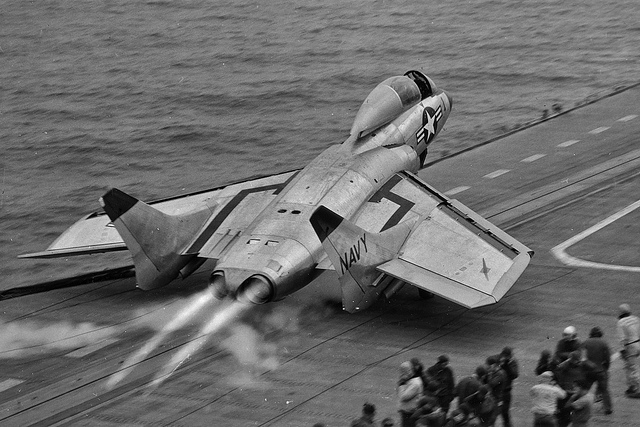
1. Vought F7U Cutlass

Today’s F-35 may get criticized for not being able to fly near an electrical storm but the ‘Gutless Cutlass’ had a very alarming tendency to flame-out in rain. Even when the engines behaved themselves it was still an underpowered flop. There’s more on Cutlass losses here.

Image

Type selection by Combat Aircraft‘s Thomas Newdick. If you enjoyed this you will love Essential Aircraft Identification Guide: Carrier Aircraft 1917–Present . 

Follow my vapour trail on Twitter: @Hush_kit

Guide to surviving aviation forums here

Image