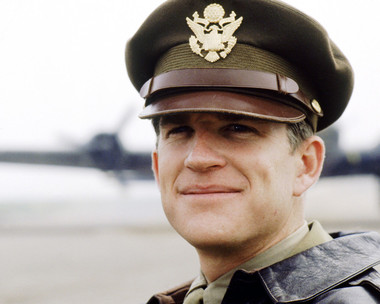
Hollywood legend James Stewart was considered too old, too light and too famous to fight in the United States Army Air Force in World War II. This didn’t stop him, and with a great deal of determination, he went on to lead a bomber squadron based in England. He survived twenty bombing missions against Germany. Long after the war he remained a reserve airman, and remarkably, flew as an observer in a B-52 mission in the Vietnam War.
British artist Nina Mae Fowler is building a sculpture of Jimmy Stewart, to be cast in aluminium from World War II aircraft. Hush-Kit met Nina to find out the story behind this fascinating art piece.
“I work with a foundry near Old Buckenham in Norfolk, which is where the photo of James Stewart was taken. Tim Hannam who runs the foundry showed me the image, telling me the history of the local airfield and asked if I would consider making a sculpture based on the photograph. His idea was to cast the work using metal collected from parts of World War II planes.”
“The project appealed to me as my work is largely based around Hollywood during the 1920’s-40’s and one of the processes I most enjoy is making 3-dimensional sculptural works from old images of bygone stars. This particular image of James Stewart sitting on a fence in his pilot’s uniform already has a sculptural feel to it and a real sense of heroism in his character.â€
“ I am not very well-educated in the field of famous aviators but I did recently read a quote from Robert Taylor (Good Housekeeping magazine, May 1956) regarding the ‘ten things that make my heart beat faster’……number one of which was: “The wide sky – from the cockpit of my plane”.
“I have however, enjoyed many films about aviation, I particularly enjoyed one called ‘The Last Flight’ (1931) about 4 pilots in Paris drinking themselves to the brink of oblivion in an attempt to forget the horrors of World War I.
There is an unforgettable shot of a bleary-eyed Helen Chandler holding a glass containing a set of false teeth she is “looking after” whilst their owner settles a score outside. Another good film on the subject is ‘The Eagle and The Hawk’ (1933) in which Frederic March plays a pilot fighting not only the physical perils of the war but also the mental strains.
That film also starred Carole Lombard who tragically lost her life in a plane crash on her way to see her husband Clark Gable who was a B-17 gunner in World War II….there could well be a piece of work in that too.â€
“The sculpture measures approximately 60 cm in height. The images you have are of the model before it has been cast in metal, in its clay form. I use an oil-based clay called ‘chavant’. This means you don’t have to worry about it drying out like the normal water-based clay, and you can achieve a much higher level of detail as the medium is harder – a bit like Plasticine for grown-ups. Once the mould has been made Tim will make a replica of the fence he is sitting on and then cast the figure in aluminium, sourced from the disused parts of World War II planes.”
” I very much like the idea of the material being so relevant to the subject matter of the piece and with the added interest of the sculpture being cast close to the airfield where James Stewart was stationed gives me great pleasure too. I have done my utmost to stay true to the uniform and accessories of the time by researching the boots, hats and binoculars etc.
When working from a photo you are limited to what the camera can see and small details are lost in the lighting or camera angle. It was important to me that I got those sorts of details correct though as I appreciate there are lots of people who still take a keen interest in every aspect of aviation from that era.â€
“The next pictures we will see of the work will hopefully show it in its  final aluminium form. The casting process is complicated and can be unpredictable so as Tim says, now we just have to “pray to the casting Gods”. I am hoping to cast a limited edition of 20 and exhibit them wherever there is interest – in the local area and perhaps further afield. I will keep you posted.â€
“Oh gosh, here comes my lack of knowledge in this field again. In terms of a favourite aircraft I’m afraid the answer would be whichever one was going to take me to Southern Spain the fastest. As for an aviator it would have to be a close call between all the matinee idols who ever flew planes. Not only were they in uniform, they were actually doing a real-life heroes job (along with all the other pilots of course), herein lies the beauty of the James Stewart piece for me.â€
“I love to fly, especially if I am going somewhere hot or somewhere I have yet to see. I can’t say I have any desire to be in the cockpit though. The closest I came to this was in a small 6-seater tourist plane which flew my father and I over the Grand Canyon by way of an electrical storm. I don’t think I need to go into details but I will say that I don’t remember the view.”
“Oh, and that reminds me of a much happier experience I had on the same trip, going onboard the private plane which belonged to Elvis Presley on the grounds of the Graceland Museum in Memphis.”
“The thing which impressed me most was not the throne he sat on in the main area which seemed to have enough buttons and controls on its armrest to actually fly the plane but the impossibly long seatbelt which circumnavigated his double bed at the other end!”
Hush-Kit believes that Fowler’s Stewart statue should be permanently displayed at Old Buckenham airfield……more to follow
Fowler is represented by Galerie DukanHourdequin (Paris). In 2008 she was nominated for the BP portrait Award with her portrait of Royal Ballet dancer Carlos Acosta and in 2010 she was short-listed for the Jerwood Drawing Prize. Her work is admired and collected by luminaries such as JohnMaybury, Daniel Templon, Anne Faggionato and Jude Law. She is included in private and public collections in Europe, Asia and the USA.
Whether it was the Pentagon scare-mongering with images of new Soviet developments or manufacturers whetting the appetite of future customers, our first peep at a new aircraft has often been from an ‘artist’s impression’. Sadly most of these aircraft would never really fly, and their exposure was limited to one exciting image. The golden age of these was 1950-90, when a Boy’s Own world of blazing afterburners, exploding enemy tanks and hypersonic airliners was given life in the gaudy, often naive (but always exciting), paintings and drawings happily described as ‘artist’s impressions’.
Sadly, we are way behind our funding targets. This site is entirely funded by donations from people like you. We have no pay wall, adverts (any adverts you see on this page are not from us) or subscription and want to keep it that way– please donate here to keep this site going.
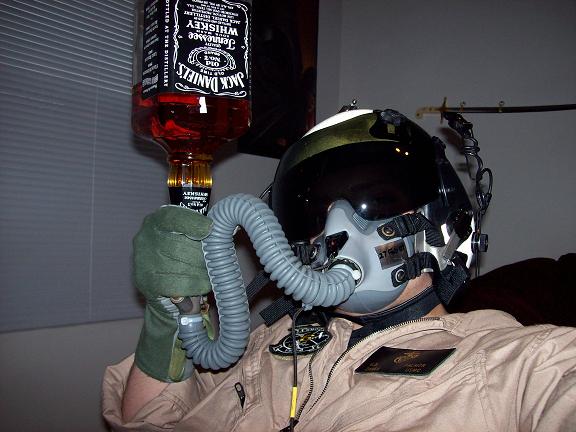
In 1990 the world watched as Saddam’s Iraq invaded Kuwait. Saudi Arabia feared further aggression, and the US rushed in to safeguard the centre of its oil supply. The first step in fortifying Saudi Arabia was to send in equipment to build an airbase big enough to house the strike force of the world’s most powerful super power. This vital first mission had to be carried out to perfection to demonstrate to Saudi the US’ commitment and strength. USAF made the questionable decision of entrusting the  success of this mission to a hard-drinking, back-chatting navigator with a serious attitude problem. This is his story.
I made it to the squadron building with a minute to spare, the senior master sergeant shaking his head as I crossed the street, flicking away a cigarette butt and lazily saluting a passing airman. ‘Morning, Captain, if I was you I’d get your ass in the briefing room straight away.’
‘What’s the hurry, Master Sergeant? You make it sound like I’m heading off to war or something.’
He smiled and patted me on the back as we entered the building together. What I saw threw me. The entire squadron seemed to be huddled in every bit of space, with excited chitter-chatter causing a din. The common room, which was usually a very large open space where the odd crew member might spend some time shooting the shit or having a post-flight beer was now sealed off behind temporary walls covered with signs saying Top Secret – No Unauthorized Entry. ‘Christ!’ I said, ‘Who’d they hire as an interior decorator, the Pilot’s wife?’ The room burst into laughter, as my pilot’s wife actually was an interior decorator but her skills left something to be desired.
The senior master sergeant walked me straight into the briefing room, behind all the Top Secret signs. I didn’t understand – wasn’t the whole squadron being briefed? Why was everyone out there while I was being ushered in?
Don Brosnan was a KC-135A navigator and dedicated Guinness drinker.
When I entered the newly secure briefing room I could feel everyone looking at me and I slowed the chewing of my gum to a halt as I acknowledged the colonel with a ‘Good morning, sir’. My Pilot’s eyes were burning holes into me but I would not match his gaze instead catching the Co (co-pilot) and Boom (boom operator) stifling smiles, as it was apparent everyone had been waiting for me.
‘Let’s get started!’ growled the colonel and we did. The briefing took about an hour and a half. There were two flight crews present – my crew and one of the Standards and Evaluation (Stan Eval) crews, our squadron commander, his assistant, the squadron master sergeant, the schedulers and two admin staff.
Don Brosnan flew with the 97th Air Refueling Squadron. The Motto of the 97 ARS was Pro Potentia Inter Astra (‘For Strength Among the Stars’).
We were briefed and without spilling top-secret information, we were to be part of beginning of Operation Desert Shield – the protection of Saudi Arabia against possible attack from Iraq. Our job was to carry engineers and equipment to build a ‘tent city’ in Riyadh, Saudi Arabia. This would become the major operation base for our units in Saudi Arabia. We had wheels-up time of 12:00 noon and were to have crew briefings and hit the tarmac.
The two crews left the briefing room and our chests were a bit puffed out as we were walking on cloud nine. Of the fifteen or so crews in our squadron it was obvious one of the two Stan Eval crews would be picked but our crew was picked above all of the others. We were the first of the first going AND in about two hours. We had to get our shit together!
We briefed our flight, which would take us on a northerly route over the Atlantic. The route was the same one we always took, up the northeast of the United States and out over Nova Scotia where we would leave air-traffic control using celestial navigation. The route would fly us south of Iceland and over the top of Ireland bringing us across England to our destination in Suffolk, England, a stopover point before heading to Riyadh.
The Stan Eval crew took the honours of leading us across the pond and led the mission planning. Our job was to follow them and I was to also use celestial navigation to ensure the lead aircraft did not venture off course. The Stan Eval crew’s navigator had about ten years’ experience on me, but I assured them with a wink that I would keep an eye on him, making sure he didn’t get us lost.
After our briefing the Stan Eval nav and boom joined my boom and me for a cigarette. All of the squadron wanted to come over and join us but knew we’d be talking about our mission so let us be. Only once did I get to say, ‘If I told you I’d have to kill you’ and that was to this other navigator who I didn’t like and was a dick anyway so I was happy to tell him to get lost. We couldn’t help but feel lucky to be selected and we were the envy of everyone in the squadron. We had no idea what the future would hold but whatever it was we knew we weren’t going to miss it.
The next step was one of the most important in our departure plan – lunch! Lunch is an extremely underrated part of mission planning. When you are flying at 35,000 feet and you are hungry there is no place to go get a bite. Also, the chances of being held or diverted were regular occurrences and flying on an empty stomach usually led to air sickness. We were allowed to build our own special box lunches up to a certain value and the flight kitchen would prepare them and have them ready for us to collect prior to takeoff. We’d fill them with sandwiches, potato chips, soft drinks, chocolate bars – basically anything our mothers would never have put in a packed lunch. I was vegetarian at the time so was able to usually fit in more chocolate and chips than the others as my cheese sandwiches cost just a few cents.
We also gave our lunches names, mine was called the ‘Anti-airsickness’, the Co’s was called ‘The Gutbuster’ and for some unknown reason the Boom’s was called ‘Squirrel’ which he pronounced Sqwerl.
A place where airplanes tend to ‘breakdown’
When we hit the tarmac and caught sight of our plane I was happy, the tail number was a good one. We’d been assigned a dependable plane that had less of a chance of breaking down unless we decided to ‘break it’ ourselves in some exotic part of the world, like the time our plane broke in Hawaii and we had to spend a week there waiting for a part to arrive and be fitted.
Water injection!
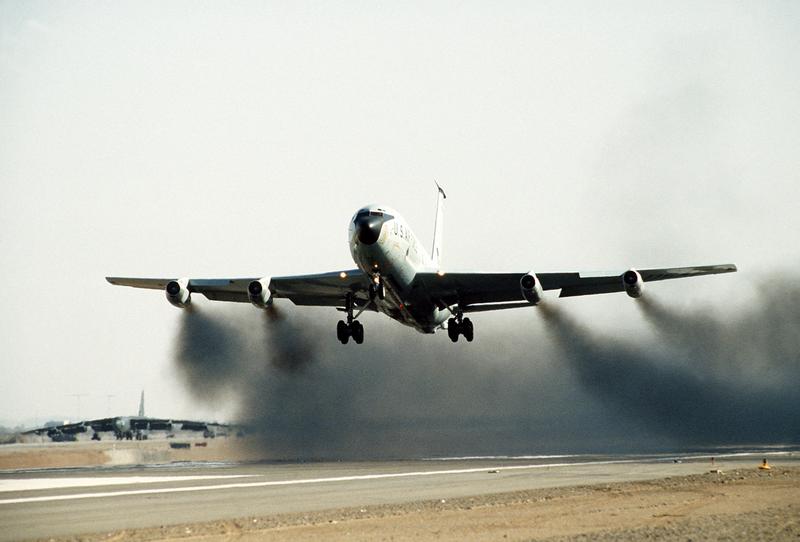
Anyway, we completed our pre-flight checklist; engines started and were ready for takeoff. The tricky parts to flying were always takeoff and landing – or any place near the ground, I used to tell the pilots. Our KC-135 was an A model. This meant that the engines had water injection to create steam providing extra power to help us takeoff as we were usually very heavy in weight. Today was no exception as not only did we have fuel to refuel the four F-15s we were ferrying over to England but we were loaded down with tents and other supplies needed for the engineers in Riyadh. I don’t think we had ever been heavier, so the injection of water for 110 seconds was vital for our takeoff to be successful. These planes were built in the mid- to late 1950s and we were reliant on the technology of that age to take us to the newest of conflicts..
There were newer, more powerful KC-135 R models (no water injection) and also KC-10s (requiring no navigator) but we were selected ahead of them all and as we rumbled slowly onto the runway my eyes would dart between the pilot’s instruments and my stopwatch ready to inform the copilot when 110 seconds were complete and he could turn off the injection pump. Take-offs meant all eyes up front watching for anything that could cause us to abort a takeoff. Of course we were always briefed that we could call ‘abort, abort, abort’ anytime during a takeoff as the pilot obviously had a lot going on and if we felt the safety of the takeoff was being jeopardized to speak up without fear of repercussions. This last bit was added because if we did call for a takeoff to be aborted it would mean having to refill the plane with water and delay our takeoff time, thus delaying our arrival at the rendezvous point to provide fuel and possibly resulting in the cancellation of more than one mission. No pressure! So I always felt I had be pretty goddamned sure if I was going to abort a takeoff.
A view from the navigator’s position onboard a KC-135.
I did actually abort a takeoff once; I was flying with another crew as their navigator was off sick. Their pilot assured me, as they always do, that if I saw a safety risk I should abort the take-off and then after the pilot had cleaned up the plane we would discuss what had happened and address the situation. We were twenty seconds into the take-off and I spluttered over the intercom, ‘Abort! Abort! Abort!’ The pilot aborted, but not without darting a dirty look at me over his shoulder. We slowed and left the runway with seventy seconds’ worth of water pouring out of our engines on to the tarmac. The co-pilot immediately jumped on the radio trying to organize a water truck to fill us up and ensure the tower had a new takeoff slot ready for us when we were ready. I was already calculating how we could cut off time getting to the rendezvous point so as not to cancel the mission and still refuel our receivers.
‘Goddammit, Nav!’ suddenly burst in my headphones. ‘Why’d you abort that takeoff? Now we have to wait to refill with water! What were you thinking? Our whole mission could be jeopardized.’ I turned to see the pilot screaming at me, his face going red with anger. He had his intercom button pushed but didn’t need it as he was less than four feet away from me and yelling in my direction. ‘What possible reason could you possibly have for aborting?’ he shouted, not letting me get a word in and going against everything he had said in the briefing if we felt the need to call Abort. ‘Well?’
I narrowed my eyes and counted to three, then I shouted, ‘Close your fucking window Pilot!’Â
He quickly turned to his side window, which was wide open and slid it closed and locked. ‘Roger, thanks, Nav,’ he said over the intercom in his calm pilot voice.
‘Fuck you, Pilot!’ I shouted across the cockpit.
The danger of having the window open during takeoff was that it would add to the amount of drag on our aircraft, and at such a heavy weight would have caused us to crash and die when we made our first turn. I only flew with him once more and he almost hit a hot air balloon over Dallas / Fort Worth because he wouldn’t divert.
He ended up getting out of the air force and into the desirable job of flying with a major airline… I keep waiting to fly that airline and hear his voice come over the intercom. I would then ask one of the flight attendants to go tell the pilot to make sure his side window is closed. Dickhead…
This time, our takeoff and flight to England was flawless, no compass malfunctions like the last time I flew over the pond. Even though we were not the lead aircraft I still had to navigate as if we were and communicate any variance with the lead aircraft. I had no issues and in the post briefing we compared charts and found they were almost identical, which just went to show we knew our shit, and we agreed we were the reason why they selected our crew for this mission.
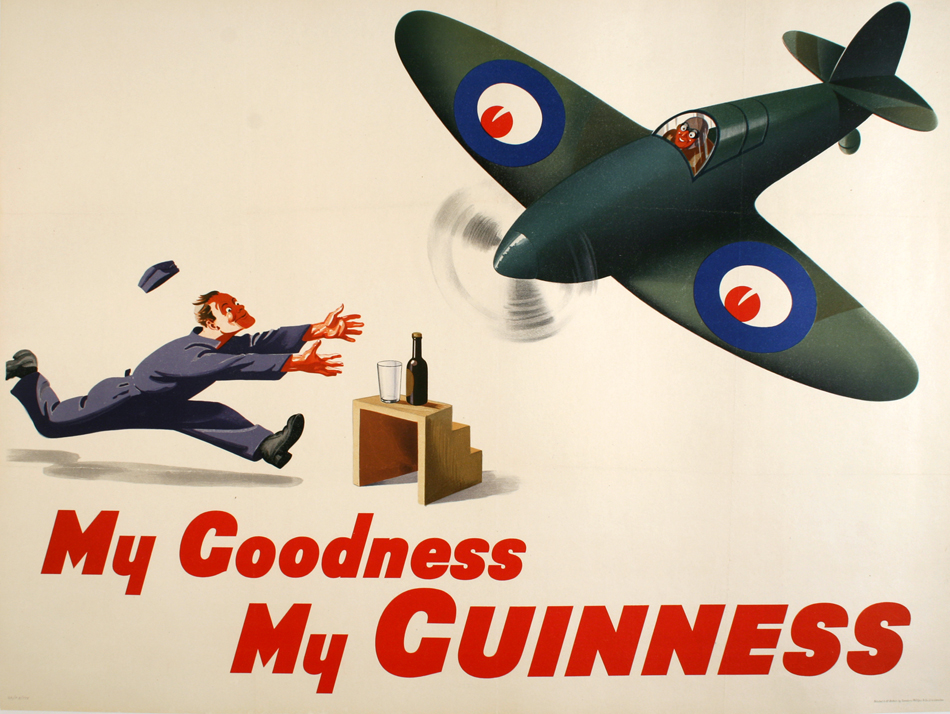
As we were closing in on England the crew was wide awake chirping how I had earned beers when we landed. I knew this meant I could get a draught pint of Guinness from a pub – a special treat for me as all I could get in America was the bottled Guinness, which a friend once described as tasting like ‘burnt grass’. I could taste my first pint and joked that we should actually have our debrief in the pub. Even the Pilot laughed at that. It’s always a good feeling to get over the Atlantic on time, on course and alive.
When we landed I quickly performed my shutdown checklist, then was down the ladder and fifty feet off the nose of the aircraft lighting up a cigarette. I could really taste the pint of Guinness hitting the back of my throat and going down smooth as chocolate milk.
The Boom joined me and I told him I couldn’t wait to get a few pints into me. He looked at me with a puzzled look that he sometimes got when his brain could not comprehend a situation he was in.
‘What?’ I snapped.
‘Well, Nav,’ he said quietly. ‘You keep going on about drinking but I don’t think the bars in England are open. It’s five a.m.’
Pause. Tick tock tick tock…Â
‘Goddammit!’ I shouted, and so loud, that both pilots looked up from their checklist out the front window of the cockpit to see what was up. I panicked for a minute and felt myself slide into depression. We were scheduled to do a twelve-hour turnaround meaning takeoff time would be around five in the afternoon with no drinking as of immediately.
‘Goddammit Boom, that means I don’t get a Guinness and then we go to fucking Saudi where it’s illegal to have alcohol,’ I said, hanging my head. I had not thought this through properly. I knew that drinking was not permitted in Saudi, but Jesus, I didn’t think my last drink would be the whisky from last night! ‘Goddammit!’ I said again, throwing my cigarette butt to the ground, burying it in the damp English grass with the toe of my boot. As I climbed into the plane I started to whine immediately, ‘It’s five o’clock in the goddammed morning which means I don’t get a fucking pint.’
‘War’s hell’ jibed the co-pilot.
‘Fuck you, Co.’ I said giving him the finger
The Pilot shook his head and said, ‘It’ll keep us razor sharp for the next leg of the mission, Nav. We need to be focused as we will be lead going into Riyadh.’
‘I don’t care about the next mission; I care about getting my pint of Guinness! Who the fuck scheduled us to land at 5:30 in the goddamned morning anyways? Dickheads!’
‘Easy, Nav,’ I heard the pilot start to say as I was already halfway down the ladder shouting that I was going for another cigarette. I made my way over to fifty feet off the nose of the Stan Eval’s aircraft where their navigator was having a cigarette.
‘Nice flight, Kurt,’ I said, shaking his hand.
‘Thanks. Glad to have had you backing me up,’ he quipped.
I immediately launched into a tirade about landing at ‘o’dark thirty’ and not being able to go for beer. He laughed. Kurt was from Tennessee and I knew he had a bottle of Bourbon in his bag that he would be sipping on once we were settled into our rooms. I could never understand that – why would anyone want to fly to the other side of the world and sit in their crummy billeted room drinking what they drank at home when we could go out into a new country, meet people and drink Guinness?
He looked at me blankly so I shook my head and retreated over to stand in front of my own plane to finish my cigarette.
All through debrief my mood was black as coal and, yes, in hindsight, I was probably acting like a child but I didn’t care. How hard was it to schedule a flight to land when the bars would be open?
We finished debrief and were on our way to billeting when we were reminded that we were on crew rest as of now and that we should get settled in and get some sleep. The Co and I were together in one room. The Co was your typical well-mannered, clean-cut American kid, the kind that makes parents proud. The Pilot and Boom shared another room. The main reason for this was because the Pilot and I did not see eye to eye. He was uptight and straight-laced, albeit a great pilot. He is similar to the Matthew Modine character in the film Memphis Belle. So, anyway, he and I didn’t room together and he didn’t want me corrupting the Boom, who was a nineteen-year-old from Alabama, already married with a kid. I liked the Boom a lot and felt sorry for him that he always got stuck with the Pilot.
Thank you for reading Hush-Kit. Our site is absolutely free and we have no advertisements. If you’ve enjoyed an article you can donate here. At the moment our contributors do not receive any payment but we’re hoping to reward them for their fascinating stories in the future.
I couldn’t sleep and ended up staring at the television, which no matter what time of the day it was seemed only to have the options of parliament arguing about something or snooker. I always chose snooker, as I didn’t care about Britain’s politics. The Co slept soundly for a few hours and when he awoke we went to get some lunch before the bus arrived to take us for mission planning.
Don Brosnan: A vital cog in the US War Machine.
We hooked up with the Pilot, Boom and other crew over lunch and made our way over to the squadron where we were informed that the Stan Eval’s plane was broken and that they were working on fixing it. We were immediately put back on twelve hours’ of crew rest and set for a 5:00 am takeoff, although the crew chiefs were doubtful that they would have the plane fixed by then.
I maintained my composure as we collected our things and went back to billeting where we was assigned the same rooms and settled for the same roommates as before. We agreed to meet for dinner at 7:30 p.m. and then would all get some sleep before our early morning bus. Upon entering our rooms I immediately started jumping from one bed to the other, much to the Co’s displeasure due to my boots mucking up his bedspread.
‘What are you so happy about?’ he asked dumbfounded
‘Are you kidding me?’ I squealed, ‘Let’s go for some pints after dinner. We’ll act as if we’re coming back to sleep and then sneak out!’
‘You’re crazy,’ he said. ‘We’re on crew rest and I’m not sneaking out to drink before our flight.’
‘Pussy!’ I laughed. ‘C’mon, you can have one pint and then watch me have a few. We’ll be back in plenty of time to get some sleep before our bus comes to collect us.’
‘No fucking way, Nav! I am not going out,’ he said with determined finality.
‘Well I fucking am, and you better not tell on me either!’
He gave me that look that says ‘as if’ and I immediately regretted saying it.
Over dinner I scanned the faces of the others wondering if there was any way I could get the Boom to come out with me, or at least Kurt from the Stan Eval crew. I knew better than to ask though as the Boom was sharing with the Pilot so that was a no go and I didn’t want to take a chance on asking Kurt, who would be in his room anyway, sipping bourbon and watching snooker – which he also enjoyed. After dinner I gave an exaggerated yawn, to which the Co rolled his eyes, and suggested we hit the sack saying, ‘I don’t want to get us lost over Sweden tomorrow.’
‘But we’re not flying over Sweden,’ said the Stan Eval copilot.
I gave him the finger and called him a dickhead while everyone laughed, breaking the tension caused by the unknown we were about to face. He told me to fuck off, but since I outranked him I told him to fuck off and to give me fifty push-ups as well. He didn’t, I told him I’d have him court-martialled and we all went our separate ways to get some sleep.
‘C’mon, co,’ I begged, ‘Just one pint. We can’t have come all the way here and not have one drink to toast our successful flight. We always go for a drink… You’ll piss off the Flying Gods if you don’t pay them tribute by consuming vast quantities of alcohol after a successful flight!’
‘Yeah, but we’re not usually immediately put on crew rest, so it doesn’t matter that you want to go out like always and get really drunk and—’
‘And what?’ I cut him off. ‘You’re the one who got sick on the northernmost Denney’s in Alaska.’
‘Yeah, cause you asked the stripper missing a tooth to join us at our table!’ he retorted.
‘Wrong!’ I yelled pointing at him accusingly. ‘You were sick on the Denney’s sign as soon as we got out of the cab…’
‘The cab that I paid for…’
‘You were the drunkest so obviously you paid!’ I said, cutting the conversation short. ‘C’mon, it’ll be cool. We’ll meet some girls. They’re all easy in England cause they live on an island and are just waiting for a big hunky American from… Where are you from again?’
‘Indiana.’
‘From Indiana to come and sweep them off of their feet and show them that everything really is bigger and better in America!’
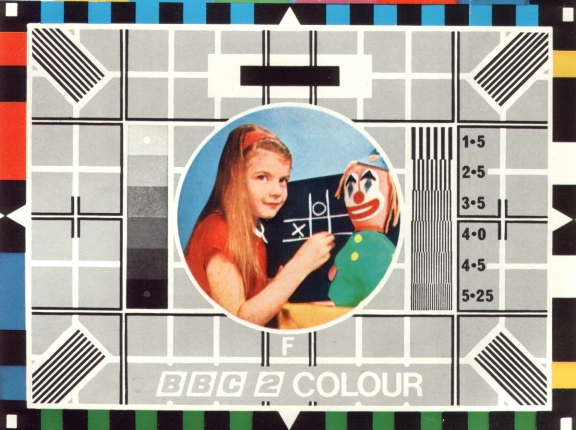
The best thing on British television
He laughed as he lay down on his bed, grabbing the remote control and turning the television on. There was nothing on two of the channels except a photo of a little girl and a clown – creepy. TV had gone to bed and so, it seemed, had the Co, as he changed the channel to the snooker.
I almost joined him to watch the snooker when I realised he wouldn’t budge because his Dudley Do Right persona had taken over, and he gave me his ‘I feel sorry for you’ shrug.
‘Fuck you, Co!’ I shouted, ‘I’m going to the pub and I don’t care if you come with me or not.’ I grabbed my copy of Catch 22, which was the book I had chosen to accompany me on this historic mission – in hindsight, quite an inspired choice.
I arrived at the nearest pub and the time was 9.20 p.m. but because England treats its citizens like children and tells them to go to bed at 11.00 p.m. I needed to get some serious drinking in. I walked straight to the bar without glancing left or right, trying to appear confident, showing that I always went into pubs, and in particular, this pub – which I had never set foot in.
‘Guinness, please’ I said to the little man behind the bar.
To which he replies, ‘Boint?’
I immediately lost my cool façade and said, ‘I beg your pardon?’
‘Boint?’ he said again, but a little bit louder, drawing the attention of some old men around the bar and more importantly two girls at the corner table.
I leant in and whispered, ‘I’m sorry, I didn’t understand that,’ hoping he would follow suit concerning the volume of our conversation.
He didn’t, of course, and instead of showing any form of decorum lifted a pint glass up in front of my eyes and said very slowly, ‘Would you like a “boint†of Guinness, sir?’
I nodded and crawled into my shell seeing as it was quite apparent I was not from round these parts. Then I grabbed a stool at the bar, catching the glance of one of the girls in the corner but ignoring her as I was now officially mortified.
‘Ther’ ya ar’, sir,’ said the barman as he set down one of the most beautiful things I have ever seen in front of me. ‘That’ll be £1.19,’ he added.
I had no idea what the coins meant that I had drawn from my pocket, so asked him not to rip me off too much and stuck out my hand full of various coins for him to select the correct amount. I felt even more foolish but, as it would happen, the girls giggled and I immediately adopted the look of a lost orphan, and asked if I could join them.
It turned out that I was indeed in luck. The girls are called Vanessa and Karen. Vanessa’s Father owns the pub. I return to the bar to order drinks for the three of us and return with two pints of Guinness for myself.
‘Do you girls wanna see a magic trick?’ I ask downing one of the pints in one go.
They laugh and tell me there is no need to rush as Vanessa can get us a ‘lock-in’. When I ask what that means Vanessa informs me that a lock in is when we are allowed to carry on drinking after the pub is shut. Lock-in, as in literally locking the door to keep us in. I like the way the English use literal language to describe things. Way Out opposed to Exit or Lift opposed to Elevator. It keeps it simple and I can appreciate that.
It quickly became apparent that I have fallen head over heels in love with Vanessa and ask her to marry me, even though I was honestly still trying to figure out how to get both of them back to my room.
Vanessa laughs and says I only love her because her Father owns the pub, to which I reply, with the waggle of a finger, that that is a very true statement but quickly add that we shouldn’t quibble over the why of our love but embrace the what of our love. She asks me to define ‘the what’ of our love and I excuse myself to go to the restroom.
I return to a table full of a fresh round of drinks and we carry on drinking, laughing, joking, solving 3rd world nation problems, comparing musical taste and forgetting the outside world all together until Karen comes back from the bathroom and says she has just been sick and needs to go to bed. I look at my watch and it is after 2:30 in the morning and realise I am very drunk.
I say good night to the girls giving Vanessa a long, lingering kiss promising to come back to the pub to see her again. I pat Karen on the head giving her hair a little ruffle saying I hope she feels better and start to make my way back to the base.
I can feel myself swerve and stagger, watching my shadow do the same – never missing a beat, as I make my way down the road. The guards on the gate do not seem amused as I fumble for my ID card to gain access to the base.
‘Thank you Sir’ says the Airman popping a very crisp salute to which I can only respond with a half-cocked arm barely bringing my fingertips to my brow. I stagger through the gate and navigate my way back to my room trying to be as quiet as possible, which is extremely difficult to do when you are drunk.
I finally manage to get the room door open as I am starting to feel sick and wonder if I need to throw up before throwing myself onto the bed. I am very drunk and have not slept for over 24 hours. I need sleep very badly.
As I enter the room the bathroom light is on and I can hear running water. I open the door and see the Co shaving at the sink.
‘Jesus Christ Nav!’ he exclaims, ‘Where the fuck have you been?’
I mutter something as I make my way to the bed and flop on it.
‘You gotta get up Nav. Our bus is here in twenty minutes.’
‘I don’t care’ I snort my mouth and nose buried in my pillow. ‘Go without me.’
The Co later describes the following scene to me, as I have no recollection.
The Co lifts me from the bed and walks me into the bathroom telling me to splash cold water on my face while he starts the shower – a cold shower. He leaves me to get into the shower telling me I need to sober up and fast!
I know he is right and I start to freak out a bit knowing that I really fucked up here. I let the cold water of the shower stream onto my face and feel myself becoming rejuvenated but know this will only be a temporary measure.
I come out of the shower and pour myself into my flight suit and hurriedly pack my bag.
‘What are we gonna do Nav?’ asks the Co.
‘Tell ‘em I’m sick’ I slur.
‘Well, hopefully the plane is still broke and we can get you back here to bed. The crew chiefs said they didn’t think they’d be able to fix it. Jesus Nav, you really fucked up. What did you do? Where have you been all this time?’
I am drunk, yet sober with fear. The Pilot is going to fucking kill me and possibly court-martial me.
‘The Pilot can’t find out Co. Tell him I’m sick and I will sit in the back of the bus as far away from him as possible. Tell him I’ve been throwing up since we got back from dinner. Shit Co, you gotta help me.’
‘I will’ he says handing me a handful of tic tacs. ‘Just keep eating these, you smell like a brewery!’
Luckily we are first to the bus and I climb in settling into the very back. The Pilot will sit shotgun, as he is the mission commander.
I hear the Co telling the Pilot and Boom that I am sick and have been throwing up for hours. I feel like throwing up now but just shut my eyes and pray the plane is broken so I can get into bed and die.
The Stan Eval crew joins us and everyone clambers onto the bus the Co sitting next to me. Kurt, the Stan Eval nav is sitting in front of me and turns around asking me if I’m ok.
‘Ya alright Buddy?’ he asks and when I tell him I’ll be ok he backs away from me waving his hand in front of his nose ‘Jesus! You smell…’ he stops himself ‘pretty sick there… you gonna be ok?’
He alters his look from me to the Co lifting his hand to his mouth miming ‘drinking’. The Co nods his head and Kurt glares at me as I have now put the two of them in a very difficult position. They don’t want to tell on me so need to cover for me.
Kurt chimes in as we drive along. ‘He’s not looking too good back here. We’re gonna need to address the situation to see if he can fly.’
‘Should we pop by the hospital and get a Doc to look at him?’ asks the Stan Eval pilot.
‘No!’ Exclaim the three of in the back a little too eagerly.
‘I’ll be ok’, I say and the Co mentions that the plane may be broken still. They all agree that this could be true so we will wait until mission briefing to decide.
When we arrive at the squadron building I keep my distance between the Pilot and myself. I give him a ‘thumbs up’ when he looks in my direction and, luckily, he has other things to be getting on with but I can see the worry on his face wondering if I am going to screw up the mission.
My heart sinks when the crew chief gleefully informs us that he has fixed the plane and we are good to go. The hope of getting to bed has now evaporated in front of my very eyes. I will be stone cold sober by the time I see a bed. Journeying through drunkenness into the land of the hangover and ending up wanting another drink before I next sleep.
‘We gotta make a decision about your nav’ says the Stan Eval pilot. ‘As far as I see it we got two options here. We scrub the flight and get him to the Doc which could lead to him being DNIF (Duties Not Including Flying), which basically grounds your crew, or we take the lead to Riyadh and you guys follow us. We are flying over land most of the way, the weather looks good so your nav isn’t really necessary. He can just bunk out in the back and hopefully feel better. I feel option two is our best as we need to get the supplies out to Saudi ASAP and we are already twelve hours behind. I’m gonna call it.’
‘Wait’ screeches my pilot in a panicky high-pitched voice. ‘If our nav is too sick to navigate lets swap. We’ll take your nav and ours can fly with you. We’re supposed to lead this mission.’
The panic is apparent and it dawns on everyone in the room that we will be the first two planes to arrive ‘in country’ on this campaign. We have no idea if there is going to be a war or how long American troops will be in Saudi but this mission will be making history and nobody in the room wanted to be the Buzz Aldrin of Operation Desert Shield.
‘I’m sorry’ said the Stan Eval pilot. ‘I think it is best, for safety reasons, that we stick to our crews.’ Which is bullshit.
‘I’ve made my decision. Mission plan remains the same except Stan Eval crew will now take the lead’ and looking at my pilot, who was completed deflated and devastated, added ‘Keep your plane a mile back and a thousand feet above. We’ll see you in Saudi, let’s get to our planes.’
Kurt the Stan Eval nav patted me on the back as he walked past, ‘Tough luck kid, you could’ve made history.’ “
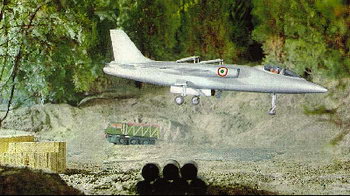
An Italian air force Fiat G.95/4 blasts off from a dispersal site. In the event of war, the G.95 would have left vulnerable, fixed runways to hide out in the countryside.
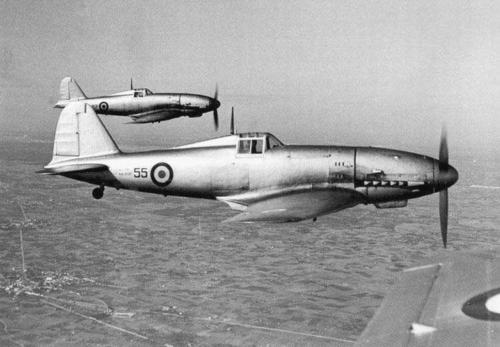
Giuseppe Gabrielli (1903-87) was the undisputed master of Italian aeronautical engineering. He designed over 140 aircraft, including the G.55 Centauro, one of the finest fighters of World War II. His designs carried a G-prefix, and included the G.222, the basis of today’s superb C-27J Spartan ‘mini-Hercules’. In the 1950s, his G.91 design won a 1950s competition to provide NATO with a cheap, tactical support fighter. Following this victory, it was only natural that Italy would enter the next NATO fast jet competition. An epic contest began to equip NATO with a ‘resistance’ fighter, one that could bring the fight to the enemy on day two of a nuclear war.
Â
In the early 1960s, NATO put out a requirement for a common ‘jump-jet’ (though the term was yet to be coined) fighter-bomber. With a strong possibility of all member nations buying the fighter, it became the biggest international design contest that had been ever held. Whichever company won the competition stood the chance to make an enormous profit and become the world’s dominant defence contractor. It was a tough brief, demanding a supersonic jet aircraft able to take-off and land vertically. The requirement, NATO Military Basic Requirement (NMBR) 3, did not specify a technical solution to the problem of V/STOL and the many bidders adopted different solutions.
The very beautiful G.55 Centauro was a very potent fighter aircraft. The Luftwaffe were very impressed by the aircraft and a German version was planned (the G55/II), it would have been fitted with the DB 603 engine, five 20-mm cannons and a pressurised cockpit.
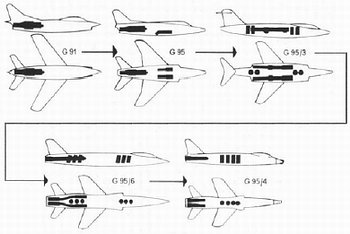
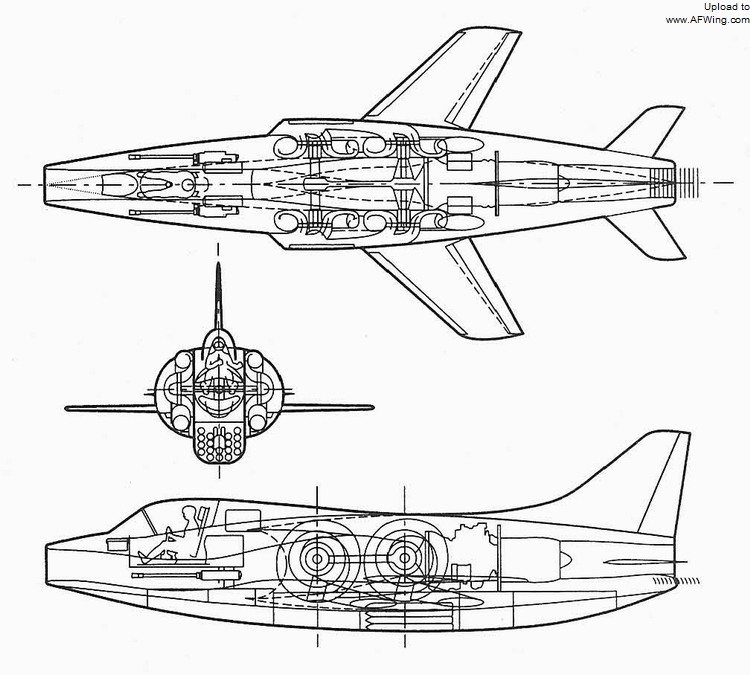
Fiat’s first stab at NMBR-3 was the baseline G.95 concept. This was relatively small and showed some G.91 ancestry. It was powered by one forward flight engine and two small auxiliary engines with vectored thrust. It had shoulder-mounted intakes and a conventional tail.
Fiat then began studying the use of lift-jets. Lift-jets were auxiliary engines fitted vertically inside the aircraft, which propelled the aircraft during vertical take-offs and landings. Once the aircraft was in forward flight they were switched off. The concept had been around at least as far back as the 1940s and has been attributed to both German propulsion engineers and the British jet genius Alan Arnold Griffith (he had been the Air Ministry’s advisor that had dismissed Whittle’s 1930 turbine thesis, he later led the Conway and Avon engine projects). The rather dainty G.95 was followed by a more butch study, the G.95/3. The handsome G.95/3, which would have resembled the McDonnell F-101 Voodoo, had two widely-spaced forward flight engines and four lift engines and a high T-tail.
G.95-3
G95-4
The G.95/6: The ‘Supersonique Salsiccia’
This was followed by the G.95/6, an enormously elongated fighter with tiny wings. With its high performance, tiny wing area and dependence on eight engines, the fighter would have been unforgiving and likely to have had a terrifying attrition rate. The /6 concept had two forward flight engines and no less than six lift jets. Eight engines would have presented the G.95/6 with several challenges if it had entered service. The complexity of the design would have made it maintenance heavy and would have reduced fleet availability. The six lift engines would have been a dead weight during normal flight, reducing the range or payload or both. However, if it had been built made it would have certainly been an awe-inspiring machine- combining noisy vertical take-offs (fuel and thrust allowing) with predatorial good looks.
Any ‘jump-jet’ is by nature a compromise and is inferior to its conventional equivalent. Was it worth accepting these limitations? Developing a supersonic jump-jet would have been expensive, risky and led to a less capable aircraft. Was War World Three likely enough to merit this? If tactical nuclear warfare had happened would these doomsday fighters have been able to fight on? The NMBR-3 winner would be expected to operated from dispersed temporary airbases during periods of chaos. A vast logistical feat, which as the RAF found out with the Harrier proved costly and difficult.
By early 1962, the NMBR-3 project was in crisis. The NATO planning group in charge of selecting a design was finding out that no one aircraft type could meet all the nations’ differing requirements, and even if one did, there was no obligation for the air arms to purchase the type. The committee gave up.
However, by now so much time and money had been put into the each NMBR-3 candidate that they carried a momentum of their own. The two strongest projects were Britain’s P.1154 (which was expected to replace RAF Hunters and to a less-likely extent Royal Navy Sea Vixens) and France’s Dassault Mirage IIIV which was getting solid government backing. The G.95/6 was a wild outsider, and seemed to have little chance of reaching the flying stage as it had yet to receive government funding.
By June 1963, this had all changed. Fiat Aviazone had received a contract from the Italian air force for a new strike aircraft (and a transport aircraft to support it). Fiat was given a sum equivalent to £600,000 (at a 1963 exchange rate), today this would be worth around £15 million. This was enough to fund a flying test rig, powered by RB.108s.
The G.95/4’s purposeful lines would have made it a very attractive fighter.
G.91/4
At the time the Italian Government as well as many at Fiat saw that dream of a Mach 2 VTOL fighter was pushing the limit of the current technology (even in 2012 it’s far from easy). They suggested a simpler interim aircraft capable of replacing the G.91. The aircraft, designated G.95/4, would have a top speed of between Mach 1 and 1.3. It was faster than Britain’s P.1127, and was likely to have a longer range. As well as being a sensible idea, the /4 was a tacit acknowledgement that Fiat was unlikely to have the /6 ready any time soon and was even less likely to achieve export orders against stronger international competitors. Lift for the /4 was from four RB.162-31 jets each with more than 2,000 lbs of thrust. Forward thrust was expected to come from two Rolls-Royce/MAN RB.153s. West Germany and Italy joined together to develop a V/STOL G.91 replacement on April 9, 1964. The competitors for VAK-191, were:
The British VAK-191, based on the Hawker P.1170
The West German VAK-191B, the Focke-Wulf 1262
The VAK-191C (also West German) was the EWR-340 (VJ-101D)
The VAK-191D, Italy’s Fiat G.95/4
The G.95/4 testbed provided much valuable data.
The official statement by the German Defence Ministry named the Focke-Wulf 1262 (VAK-191) as the chosen aircraft; though it hadn’t been announced, it was clear that the G.91/4 was dead. Having already been funded by the air force, it would stagger on as research project, but the writing was on the wall for Italy’s doomsday fighter. The G.91/4’s status at this time is nebulous, but appears to be associated with the VAK-191 project. It also seems to have been a project to keep an advanced aerospace skills set in Italy as by 1965, Fiat had almost finished licence-building the F-104Gs it had been contracted for and was desperate to secure follow-on work. The /6 had disappeared by now and the duplication of efforts of working on the VAK-191B as well as the G.95/4 was clearly wasteful, by 1968 the /4 was officially abandoned as anything other than a research project.
The curse of V/STOL would eventually kill the VAK-191 too. In the end, despite all the thousands of millions of dollars invested in fast jump-jets, led to only two entering service, the British (later Anglo-American) Harrier and the barely supersonic (and very limited) Soviet Yak-38.
B is for Bevilaqua
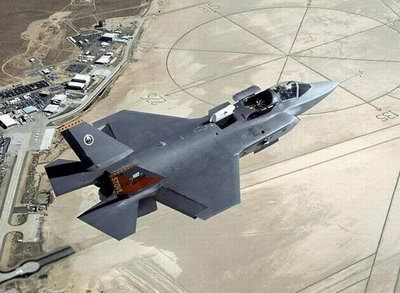
No nations were willing to accept the compromises and risks involved in procuring a truly supersonic jump-jet. The technical challenge continued to fascinate aircraft designers, but many hard-headed military thinkers saw it as folly. The Royal Navy, USMC and Soviet Navy carried the flame through the 1970s. The US Navy took an uncharacteristic foray into ‘flat-risers’ with the Rockwell XFV-12, which proved utterly useless and further cemented the service’s anti-STOVL sentiments. The Soviet Navy, with no conventional carrier experience, was the last nation to pursue this Cold War dream. The Soviet Yakovlev Yak-41 (141) was a remarkable aircraft, with unique capabilities. It first flew in 1987, but a long development meant it was not in service by the time the Soviet Union was collapsing. Yakovlev embraced a changing world and did the unthinkable, it looked for foreign investors. America, which until a couple of years ago had been the arch-enemy, stepped forward. Lockheed (later Lockheed Martin) was then developing a candidate for the Joint Strike Fighter, the X-35, and cleverly absorbed all of Yakovlev’s relevant research data. The propulsion system of the STOVL X-35 differed from the Yak in one key respect; whereas the Russian aircraft augmented the vertical thrust from a swivelling ‘lobster’ back nozzle with a separate lift engine, the X-35 employed a lift-fan driven by shaft from the main engine. The X-35 won the JSF contest, leading to the F-35 now in development. The STOVL version of the F-35 is the B variant.
The graveyard of aborted aircraft projects is littered with dozens of jump-jet projects; will the F-35B overcome this curse?
STOVL tomorrow
Whereas ‘survivability’ had been the word used to force through the jump-jet concept in the 1960s, today the catchword is ‘expeditionary’, but is it worthwhile? With the F-35B set to enter service with the USMC, the British RAF/RN and the Italian Navy in the next ten years, some still question the sense of STOVL. In November 2012 the first F-35Bs were delivered for Marine Fighter Attack Squadron 121 of the USMC. This event is largely for show as there is still a great deal of work to do before the F-35B will be anywhere near combat-ready. Time will tell if the Holy Grail was worth the long search.
Want to see more stories like this:Â Follow my vapour trail on Twitter:Â @Hush_kit
The basic running of the Hush-Kit blog (which makes no profit) costs money. Help us carry on – without adverts. If you’ve enjoyed an article you can donate here or here. Thank you lovely reader.
This propaganda poster features British and Soviet aircraft shooting down a Luftwaffe Ju 87, with a caption in Persian for distribution to Iran.
USSR –Â Ilyushin Il-2
There is a well-worn, and possibly false, anecdote about the Soviet nail factory that met its quotas by producing a two-ton nail. Or maybe that was just a lie my history teacher told me. Either way, it sort of sums up the target obsessed insanity of Stalin’s Russia. The Il-2, possibly more perfectly than any other aircraft in this run down, sums up the mentality of the regime that created it.
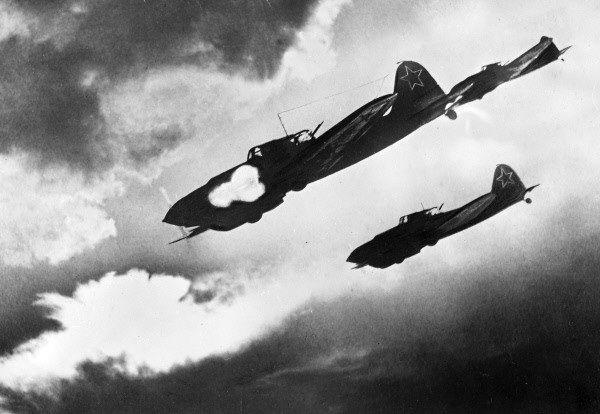
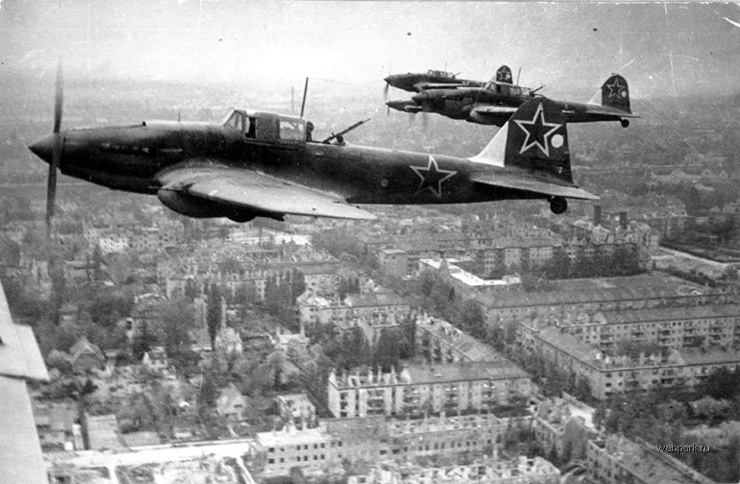
Produced more numerously than any other aircraft in the war, the Il-2 was the primary Soviet ground attack weapon. Ugly, heavy, crude, and easily mass-produced it suited the appalling conditions of the Eastern Front as well as the staggering requirements of a nation already reeling from the initial success of Hitler’s Operation Barbarossa.
In a slightly callous fashion, that many associate with the wider Stalinist mentality (not without just cause) the pilot was ensconced in thick armour plating, as was the engine, while the rear gunner was left fairly exposed, often equipped only with a standard issue machine gun on a rope bungee. It should be noted however, that the Il-2 was designed as a single seat aircraft and the rear gunner position was added to try and stop crippling losses.
Though loses were heavy with Il-2 units, quite possibly a result of the Soviet policy of not returning to base with unspent ammunition, their impact on the Eastern front has long been attested to. Not least at the typically grim Battle of Kursk where they claimed a great many German tank kills.
If any aircraft sums up the mass-production obsessed, brutal, and grimly effective nature of Stalin’s Russia it is the ‘hunchback’.
BRITAIN – HawkerHurricane
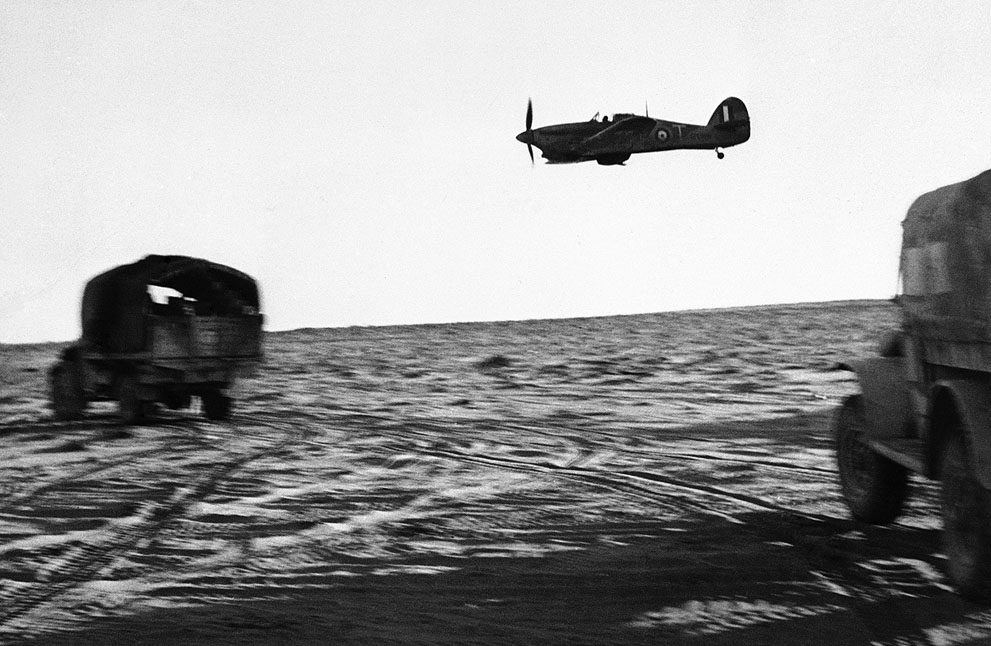
Sydney Camm’s greatest work – the Hurricane – was an evolution of interwar aircraft like the Hawker Fury and Hart. The Hurricane was essentially a monoplane version of the Fury and was explicitly referred to as the ‘Monoplane Fury’ in Air Ministry and Hawker correspondence. It was known as the ‘Interceptor Monoplane’ from 1934 and the Hurricane name was formally adopted in 1936. The Hurricane was an evolution of the interwar Fury fighter .
Built expressly to use the Merlin engine that would also equip greats of the war like the Supermarine Spitfire, P-51 Mustang, Avro Lancaster, and the de Havilland Mosquito among others, the Hurricane cruelly lived in the shadow of the sexy Spit. However, in spite of being more portly and far less lauded, the Hurricane racked up over 60% of the RAF kills during the Battle of Britain, went on to be a prestigious tank-buster in North Africa, night-fighter, and carrier and catapult launched naval fighter – known as Sea Hurricanes and Hurricats and respectively.
The Hurricane embodied the ballsy pugnacity of war-time Britain, frankly outdated as a design by the start of the war, its blending of inter-war and modern construction techniques made it easier, cheaper, and faster to build (and repair) than all metal craft like the Spitfire (and made it more battle-resistant). Its rear fuselage draped with doped fabric (as were the wings on some versions) it didn’t eat into the Nation’s meager supply of desperately rationed metals. If any craft summed up the stiff upper lip, ingenuity under pressure, and slightly stuffy geography teacher air people associate with 1940s Britain, this was it.
GERMANY –Messerschmitt Me 262
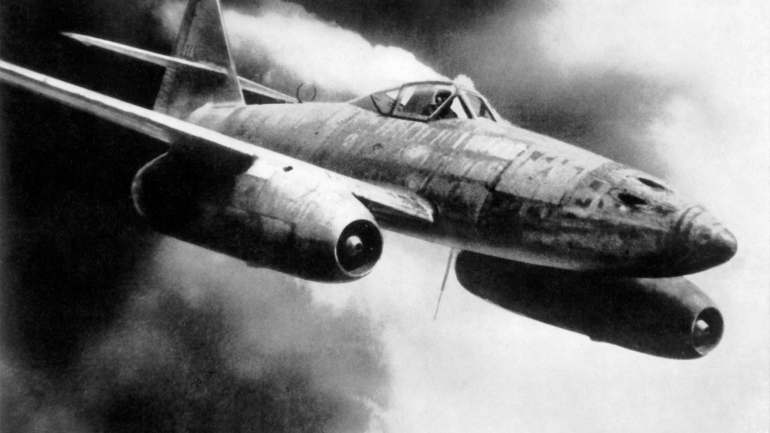
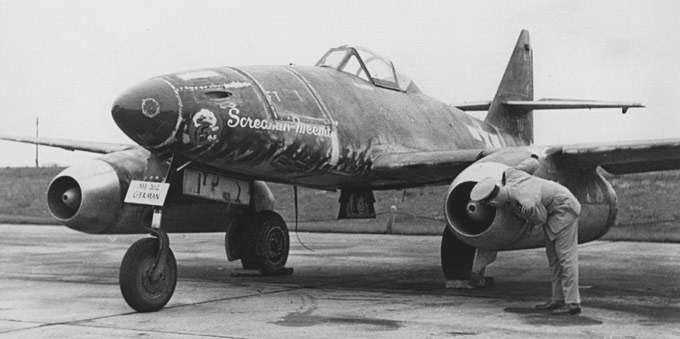
Perhaps the most staggering thing about the Luftwaffe in the war, was the volume of wasted potential – in both leaders, pilots, and most crucially, machines. The Me 262, the first jet fighter to enter widespread service (the very first had been the He 280), typified both the exceptional potential of Germany’s scientists and designers as well as the insane impact of political meddling in Hitler’s Reich.
First conceived in 1938, and prototyped in 1941, it was only in the later months of 1944 that Hitler showed enough faith in the 262 to push it into full-blown production. He, and under him Goering, had spent the previous years insisting on the mass production of tried and tested models like the 109, 190, Ju 88 – all of which were retro-fitted endlessly to fulfill any task – ultimately to the detriment of the original aircraft. As well as that, an obsession with producing troublesome new ‘defensive’ bombers, like the Do 217 hampered jet fighter production.
Had the 262’s almost miraculous potential to repel the round-the-clock bombing offensives of the USAAF and the RAF been recognized earlier, things may well have been different. Even once operational, many of these excellent fighters were modified to carry almost ineffective bomb loads, or to house heavy cannon for ground attack roles. In the last days of the war, the few operational Me 262s formed one of the most elite air units of the war -Â Jagdgeschwader 44, headed by the pre-eminent ace Adolf Galland and made up of numerous top aces of the Luftwaffe. By the end of the war, only around 100 of the 1,433 Me 262s built had seen combat. The Me 262 was a testament to a system plagued by meddling and misguided policies spurred on by blind optimism and a refusal to face facts.
Many Me 262s were produced by Slave labour. It is rumoured that some Me 262 workers sabotaged the engine components by urinating on them.
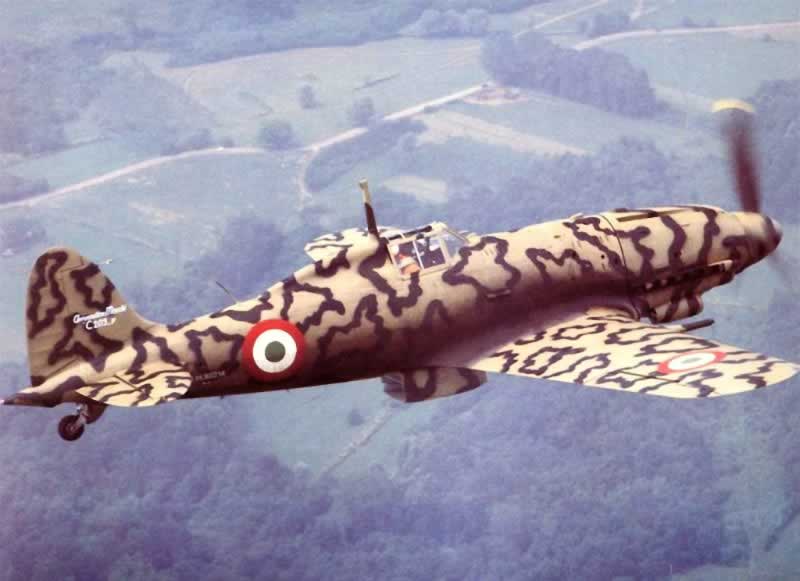
The MC.202: “an irrelevant ghost at the air war ball”
As my grandfather used to say – what’s the difference between toast and Italians? The answer being that you can make soldiers out of toast. And the chortle goes around. True enough, the Italians had a rough time of it in the war, but their Macchi C.202, or Folgore (‘lightning‘) was about the only plane that could line up with the Spitfire in the ‘Miss Pretty Aeroplane of the War’ pageant. Superbly good-looking, with the cockpit sat far back on the fuselage. Possibly the most stunning feature of the Folgore was its wings. Not in that they were especially pretty in most aspects, but in that one was a whole eight inches shorter than the other, a design quirk that offset the propeller torque – a trick that Reggiane did it as well with the Re 2005.
But true to those stereotypes, the beautiful fighter was under-armed, and though a stunning piece of kit, never had the impact it could have on a fashion runway. In the Mediterranean theatre it outclassed the underwhelming P-40 Kittyhawk and out-flew the Hurricane, but was somewhat late to the party in North Africa, where it could have provided solid fighter cover for the embattled Italian troops.
The blame for the Folgore’s lack of impact could arguably be placed at the feet of the Italian air industry overlords who ignored the evidence (Italy having won the world speed record in 1934 with its in-line-engine-powered Macchi C.72) and focused on heavy duty radial engined fighters, rather than embracing the often speedier, in-line, options. The Folgore was destined to be a beautiful, iconic, and essentially irrelevant ghost at the air war ball.
“Late to the party? I am the party!”The C.205 was a development of the earlier C.202 Folgore.
USA – Republic P-47 Thunderbolt
The most iconic American fighter of the war, the P-51 Mustang, was also rather exceptional by American design standards. It was originally built for the RAF, and at first a rather disappointing product until the introduction of the Rolls-Royce Merlin engine. It was a sleek, almost pretty, aircraft (far prettier after its upgrading to a bubble cockpit) with an in-line engine. Aside from the Airacobra / Warhawk families and so on – all generally below par as purebred fighters – the typical American approach to fighter aircraft was based around heavy, powerful, radial engines. The planes themselves also tended to be heavy and tough.
A tough, powerful naval fighter…and a Super Hornet
Machines like the Corsair and the Hellcat (and Wild/Bearcats) conformed to this type well. The P-47 thunderbolt however was the epitome of that attitude and reflected America’s wealth in both financial and material terms.
“Tubby and verging on ugly, it developed a reputation for taking punishment”
It was the heaviest and most expensive single (piston) engined fighter of World War II. Few ‘single piston’ aircraft ever surpassed the ‘Jug’ regarding weight, with the exception of the experimental Boeing XF8B-1 and the post-war Eagle-powered Wyvern and Douglas A-1 Skyraider. Tubby and verging on ugly, it developed a reputation for taking punishment, and the nickname the ‘Jug’. Though surpassed by the Mustang as a bomber escort, the Thunderbolt’s armor plating, ruggedness, and ability as a weapons platform made it an exceptional ground attack aircraft. There is a tale of a National Guard P-47 over-shooting a runway in 1946, going through a wall, and the pilot then climbing out and trotting off. Pretty sturdy.
Bruno Bayley is the Managing Editor of Vice Magazine. From an original idea by Juanita Franzi. Juanita’s excellent aviation illustrations can be seen at:http://aeroillustrations.com/
A lot of thought has gone into the fictional aircraft that have appeared in books, films and TV shows. This is a tribute to the clever and imaginative people who have put their aviation know-how to use in producing flying ‘stars’. These aircraft are characters in their own right, and have entered the consciousness of millions. It was hard to select only ten, but here is Hush-Kit’s selection.
Keep this blog alive!
To keep this blog going- allowing us to create new articles- we need donations. We’re trying to do something different with Hush-Kit: give aviation fans something that is both entertaining, surprising and well-informed. Please do help us and click on the donate button above – you can really make a difference (suggested donation £10). You will keep us impartial and without advertisers – and allow us to carry on being naughty. Once you’ve done that we hope you enjoy 10 Incredible Soviet fighter Aircraft that never entered service. A big thank you to all of our readers.
Was the Spitfire overrated? Full story here. A Lightning pilot’s guide to flying and fighting here. Find out the most effective modern fighter aircraft in within-visual and beyond-visual range combat. The greatest fictional aircraft here. An interview with stealth guru Bill Sweetman here. The fashion of aircraft camo here. Interview with a Super Hornet pilot here. Most importantly, a pacifist’s guide to warplanes here. F-35 expose here.Â
Hush-kit is reminding the world of the beauty of flight.
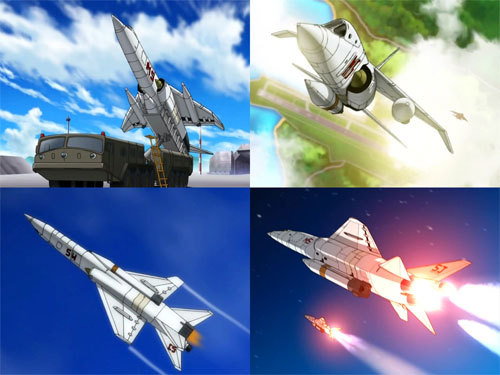
Ridiculous and wonderful, the TSR.2MS is featured in the Japanese cartoon Stratos-4. It is a mad, rocket-assisted tribute to a real-world cancelled bomber. In Stratos-4 the TSR2.MS is an ultra-fast interceptor, that can be launched from the back of a truck. The creators also considered the CF-105 Arrow for the part! Click here for more on TSR.2
9. AT-99 Scorpion
The AT-99 Scorpion featured in Avatar, and was a chimera of several real-world aircraft. The cockpit is reminiscent of the AH-1W, the weapons are based on real types and the fuselage has elements of the Kiowa. The ducted rotors are an interesting touch, and have featured on several small UAVs as well as flying cars, including the Israeli X-Hawk (which looks like it may have been a muse for the AT-99). The tail is similar to that of the He-162 Salamander. The AT-99 is a fascinating ‘mash-up’.
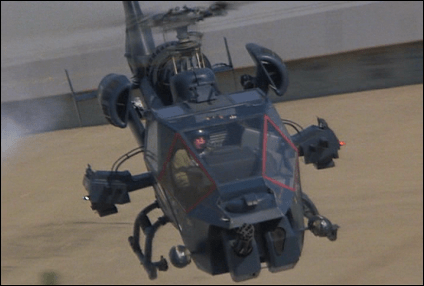
8. Blue Thunder
Take a Gazelle helicopter, bolt on a load of prosthetics and you have Blue Thunder. The star of the 1983 film was apparently a dog to fly due to the extra weight required to ‘dress’Â it to look like an advanced gunship helicopter.
Keep this blog alive!
To keep this blog going- allowing us to create new articles- we need donations. We’re trying to do something different with Hush-Kit: give aviation fans something that is both entertaining, surprising and well-informed. Please do help us and click on the donate button above – you can really make a difference (suggested donation £10). You will keep us impartial and without advertisers – and allow us to carry on being naughty. Once you’ve done that we hope you enjoy 10 Incredible Soviet fighter Aircraft that never entered service. A big thank you to all of our readers.
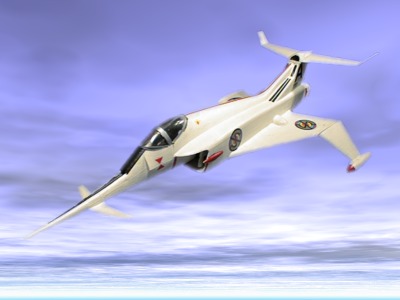
7. Angel Interceptor
From the British puppet show Captain Scarlet, the Angel interceptor was a VTOL supersonic fighter. The type has an airspike on the nose (a good idea for hypersonic flight) and a ‘wave-riding’ wing. Clever stuff.
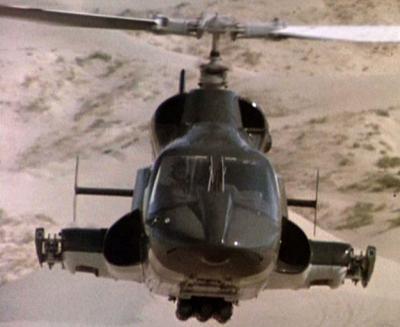
6. Air Wolf
Like Blue Thunder, Air Wolf was another transvestite helicopter (I wish I could think of a good pun to describe that). Air Wolf was a 1980s TV show starring a dressed-up Bell 222. The helicopter was eventually sold after the show ended and became an ambulance helicopter in Germany. Sadly, it crashed in a thunderstorm on June 6, 1992, killing all three on board.
5. F/A-37
The 2005 film Stealth featured the F/A-37 fighter-bomber. The concept is clearly based on the ‘Switchblade’ patent filed by Grumman in 1999 for a Mach 3 capable stealth aircraft. The ‘Switchblade’ used extreme variable-geometry and was a very radical notion. The F/A-37 combines Switchblade-like features with elements of the YF-23 to produce a visually convincing idea.
4. Mikoyan MiG-37B ‘Ferret-E’
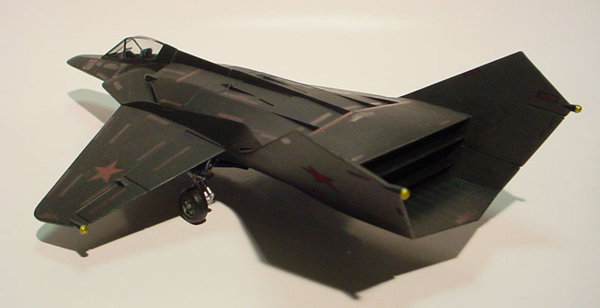
In 1987, the faceted stealth design of the F-117 was highly classified. So, there were some very unhappy people at the Pentagon when model kit maker Testor released their MiG-37. This notional Soviet stealth fighter used a faceted shape to reduce its radar cross-section and a shielding trough to reduce its heat signature, painfully close to the then top-secret F-117. A naughty and well-informed prediction! Click here for the story of Russian stealth.
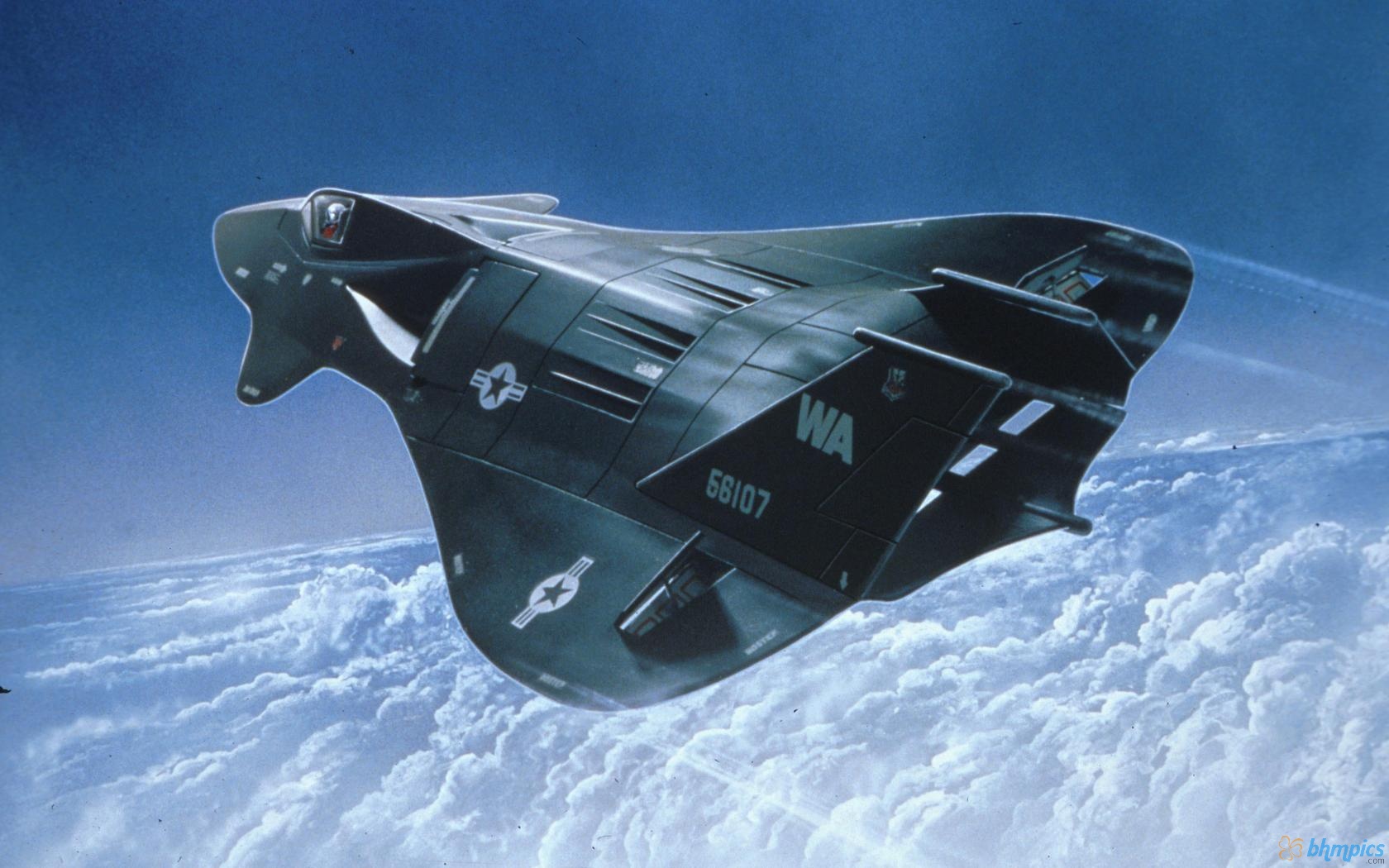
In the early 1980s, observers found it odd that the F/A-18 was followed by the F-20. What was the F-19? Rumours of secret stealth aircraft were hot gossip at the time. The two exciting ideas were put together leading to the crypto-aeronautical F-19. It appeared in the 1983 ‘Deal Of The Century’ with Chevy Chase as a cranked delta, with outward canted fins. In 1986 Testor released a model kit, of an aircraft with a plectrum shaped blended wing/body and inward-canted fins, this become the archetypal F-19 image. A ‘Northrop-Loral F-19A Specter’ magazine advert did little to quell the F-19-mania, but the outing of the F-117 ‘stealth fighter’ in 1988 ended this enjoyable trend.
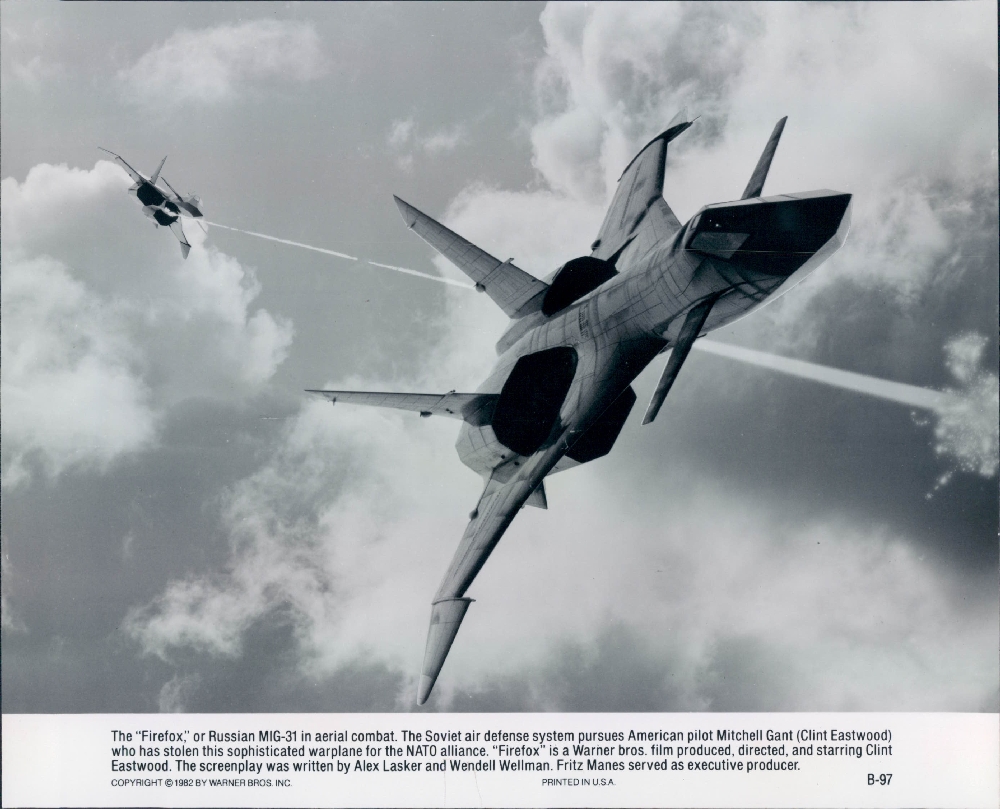
The winner is course- Firefox. Rumour has it that Clint Eastwood originally wanted to cast the Saab Viggen, but it proved cheaper to use dodgy special effects. The resultant ‘Firefox’ was an exciting shape, with four engine intakes and a canard and cranked-delta wing design. With thought control and energy weapons, ‘Firefox’ was ahead technologically of even today’s F-35. Our winner also had a small amount of faceting on its nose and transparencies, but this appears to be for aesthetic reasons rather than hinting at a stealth insight. The 1982 film Firefox was based on a novel of the same name by Craig Thomas, in the novel however, the type looked similar to the MiG-25, as does the real MiG-31. Firefox was released at a time when real, new Soviet fighters were secretive and mysterious, and the film perfectly exploited this sexy mystique.
Over 99.8% of our readers ignore our funding appeals. This site depends on your support. If you’ve enjoyed an article donate here. Recommended donation amount £12. Keep this site going.
“If you have any interest in aviation, you’ll be surprised, entertained and fascinated by Hush-Kit – the world’s best aviation blogâ€. Rowland White, author of the best-selling ‘Vulcan 607’
I’ve selected the richest juiciest cuts of Hush-Kit, added a huge slab of new unpublished material, and with Unbound, I want to create a beautiful coffee-table book. Pre-order your copy now righthere Â
TO AVOID DISAPPOINTMENT PRE-ORDER YOUR COPY NOW
From the cocaine, blood and flying scarves of World War One dogfighting to the dark arts of modern air combat, here is an enthralling ode to these brutally exciting killing machines.
The Hush-Kit Book of Warplanes is a beautifully designed, highly visual, collection of the best articles from the fascinating world of military aviation –hand-picked from the highly acclaimed Hush-kit online magazine (and mixed with a heavy punch of new exclusive material). It is packed with a feast of material, ranging from interviews with fighter pilots (including the English Electric Lightning, stealthy F-35B and Mach 3 MiG-25 ‘Foxbat’), to wicked satire, expert historical analysis, top 10s and all manner of things aeronautical, from the site described as:
“the thinking-man’s Top Gear… but for planes”.
The solid well-researched information about aeroplanes is brilliantly combined with an irreverent attitude and real insight into the dangerous romantic world of combat aircraft.
FEATURING
Interviews with pilots of the F-14 Tomcat, Mirage, Typhoon, MiG-25, MiG-27, English Electric Lighting, Harrier, F-15, B-52 and many more.
Engaging Top (and bottom) 10s including: Greatest fighter aircraft of World War II, Worst British aircraft, Worst Soviet aircraft and many more insanely specific ones.
Expert analysis of weapons, tactics and technology.
A look into art and culture’s love affair with the aeroplane.
Bizarre moments in aviation history.
Fascinating insights into exceptionally obscure warplanes.
The book will be a stunning object: an essential addition to the library of anyone with even a passing interest in the high-flying world of warplanes, and featuring first-rate photography and a wealth of new world-class illustrations.
Rewards levels include these packs of specially produced trump cards.
The dream of a supersonic STOVL (Short Take-Off and Vertical Landing) fighter has been striven toward for over half of the history of heavier-than-air flight. When the F-35B reaches real operational readiness with the USMC, it will be a very significant event. Lockheed Martin will have succeeded where dozens of the world’s greatest aircraft design houses have failed. The tortuous road which led, via the Harrier, to the F-35B started with NATO requirement NBMR-3 of 1961. This almost led to a British superfighter, the Hawker P.1154.
Help Hush-Kit to remain independent by donating here. Donations enable us to carry on creating unusual and engaging articles. Thank you.Â
The author of Catch-22, Joseph Heller, fought with the 340th Bomb Group in Italy as a bombardier on B-25s. His commander was one Colonel Willis Chapman. Following the war Chapman set up USAF’s first jet bomber force. In 1956, Chapman was sent to Paris as part of the Pentagon’s Mutual Weapons Development Plan (MWDP) field office. His mission was to source and help develop new military technologies from European sources and strengthen Europe’s contribution to NATO.
Chapman was commander of the ‘Catch-22’ bomber group. Chapman’s daughter’s excellent book revealed that the characters in the book were barely different to those in reality.
Chapman was soon approached by Michel Wibault, a visionary French aircraft designer (he had been an early exponent of the use of metal in aircraft exhibiting a very advanced metal wing years earlier, at the 1921 Paris air show).
The basic principle of Wibault’s concept was that the thrust of an engine could be directed through four swiveling nozzles. The thrust could then be directed downwards to allow an aircraft to take-off vertically or swiveled back to facilitate forward flight. Wibault had designed a Vertical Take-Off and Landing (VTOL) fighter incorporating this principle.
Wibault’s concept.
Doomsday fighters
Why VTOL? By the mid-1950s it was obvious to many western military planners that, in the event of war, Warsaw Pact forces would quickly obliterate NATO airbases. For NATO aircraft to mount counter- attacks (some with tactical nuclear weapons), they would need to be able to operate from rough unprepared airstrips. These capability could turn air arms into survivable, ‘guerrilla’ forces able to fight on after the apocalypse. VTOL was also tempting to many navies; it could eliminate the traditional hazards of carrier landing. If an aircraft could ‘stop’ before it landed, the task of landing on a tiny, pitching deck would be far easier. Likewise, it could liberate ships from the need to carry enormously heavy catapult launch systems; it could even allow small ships to carry their own, high performance, escort aircraft.
Thank you for reading Hush-Kit. Our site is absolutely free and we have no advertisements. If you’ve enjoyed an article you can donate here– it doesn’t have to be a large amount, every pound is gratefully received. If you can’t afford to donate anything then don’t worry.
At the moment our contributors do not receive any payment but we’re hoping to reward them for their fascinating stories in the future.
Hooker’s expertise
Chapman was very impressed and brought the idea to the attention of Dr. Stanley Hooker, director of the British Bristol Aero Engine Company. At this time Bristol was at the forefront of jet technology.
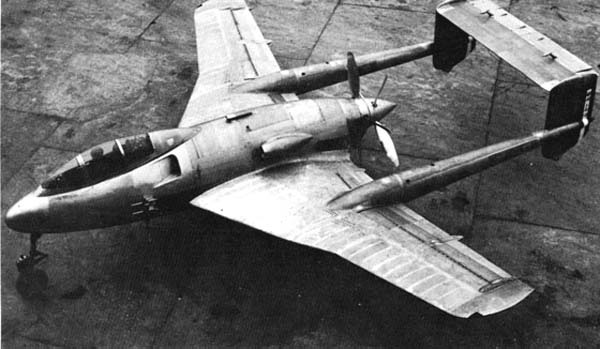
Hooker was also impressed. The VTOL research aircraft then flying used a series of batty principles which either involved rotating the whole fuselage (the tail-sitters), the engine of the aircraft (sometimes with the whole wing) or carried a battery of auxiliary lift-jets which once in flight were dead weight. All were complex and involved very large design compromises. Contrary to this, Wibault’s principle was simplicity itself; it involved a single fixed-engine, and would allow for the precise control of the vectored thrust.
How the P.1154 would have looked in RAF service. This aircraft is seen in the colours of No.29 Squadron.
Hooker led a team to develop the BE.53, a vectored thrust engine based on the first two- stages of the Olympus engine. Hooker teamed up with the designer of the Hawker Hurricane, Sydney Camm, to develop a light fighter concept powered by the BE.53.
At the 1957 Farnborough air show Hooker and Camm met Chapman. They showed him the design for P.1127. By early 1958 the MWDP were funding the BE.53 engine. The P.1127 fighter was struggling to get funding, as Britain’s Ministry of Defence believed that there would be no future manned bombers or fighters. This belief was expressed in the 1957 White Paper on Defence (Cmnd. 124) by Duncan Sandys- the most hated document in British aviation history.
Sandys- inventor of a helmet. Hated by many.
Duncan Sandys had been Chairman of a War Cabinet Committee for defence against German flying bombs and rockets during World War II, and during this tenure, he had accidentally revealed information about where the V1s and V2s were landing. This was a shocking error, allowing the Germans to accurately calibrate their weapons trajectories and endangering British lives. It also threatened to uncover Agent Zig-Zag, the famed double-agent, who at the time was feeding German intelligence false reports of bomb damage in London. His wartime experiences may have informed his belief in the late 1950s that missiles could take over from manned aircraft.
Help Hush-Kit to remain independent by donating here. Donations enable us to carry on creating unusual and engaging articles. Thank you.Â
Success
His 1957 report was also ill-judged, as 55 years later the UK is about to receive a new manned fighter (the F-35B) that is expected to remain in service for the next forty years.
As there was little official support in the UK, Hawker decided to fund building two prototypes itself, with some research support from NASA (who noted that, unlike rival VTOL aircraft, the P.1127 would not need a complex auto-stabilisation system). By the time Hawker had started building the prototypes, the MoD was interested and funded the building of four more. The P.1127 first flew on 19 November 1960 and proved very successful. It could take off and land vertically with ease, something dozens of research aircraft around the world had failed to do. But, it shared a deficiency with its rivals; an aircraft with a high enough thrust-to-weight ratio to lift vertically could carry little in the way of fuel or payload. This is where the P.1127 really came into its own. It was discovered that by putting the exhaust nozzle into an interim position (45 degrees) the aircraft could take off in very short distances at very low speeds (60 knots, around half the taking-off or ‘rotation’ speed of a Hawker Hunter). At this point, VTOL gave way to V/STOL (Vertical/Short Take-Off and Landing).
Designs for the Spey-engined P.1179, a development of the P.1154 concept.
The MoD was now warming to the idea of a P.1127-based type and the RAF prepared a draft requirement (OR345) for a new V/STOL fighter of modest capabilities.
In 1961 NATO Basic Military Requirement 3 (NBMR-3) was issued. This followed on from the 1953 NBMR-1 (for a lightweight tactical strike fighter, which was won by the Fiat G.91 and the Breguet Taon – though the Taon never entered service). The NBMR-2 was for a maritime patrol aircraft, and was won by the Breguet Br.1150 Atlantic.
NBMR-3 specification called for a single-seat tactical close-support and reconnaissance V/STOL fighter. The requirement demanded a combat radius of 250 nautical miles at a minimum sea level speed of Mach 0.92, and 500 ft altitude, while carrying a 2,000 lb store. This was a doomsday fighter-bomber, able to launch a retaliatory tactical nuclear strike from whatever improvised airstrips were available – even including selected motorway sections, heavily cratered main runways or worse.
Hush-kit is reminding the world of the beauty of flight.
Help Hush-Kit to remain independent by donating here. Donations enable us to carry on creating unusual and engaging articles. Thank you.Â
A P.1154 as it would have appeared in Royal Navy service.
The prospect of providing NATO with a common fighter soon attracted most major Western aircraft companies. NBMR-3 became the biggest international design competition ever held. Two months later NBMR-3 was split into two; AC 169a would cover a F-104G replacement, and kept the original demands: AC 169b was to be a Fiat G.91 replacement. AC 169b differed to AC 169a in calling for a lower payload-range requirement of 180 nautical mile range with 1,000 lb store.
Enter P.1154
At this point OR345 was dropped in favour of NBMR-3. Hawker Siddeley’s bid was the monstrous P.1154 powered by the insanely powerful Bristol Siddeley BS.100 engine.
The BS.100 was designed to produce a mighty 33,000 lb of thrust in reheat, around twice the power of the most powerful fighter engine then in service. The only engine with more power at the time was the Pratt & Whitney J58, which had yet to fly. The J58 was being developed for the top-secret Lockheed A-12 spy plane, which evolved into the SR-71 Blackbird. However, unlike the BS.100, at the speeds the J58 produced its maximum thrust, it was effectively a ramjet. As another example of how powerful the BS.100 was, the first fighter engine with greater power did not enter service until 2005 (44 years later). The engine was the Pratt & Whitney F119 and the aircraft was the Lockheed Martin F-22 Raptor. The potent BS.100 would have given the P.1154 a Mach 1.7 top speed, an unprecedented thrust-to-weight ratio and a scorching rate-of-climb. The aircraft was to be far more than just a brutish hot-rod, it was to be equipped with some very advanced avionics. Ferranti would provide the P.1154 with a radar which was at least a generation ahead of any other. The radar would feature both air-to-air and terrain-following modes. This was a true multi-mode radar, planned at a time when the world’s best fighters were carrying crude air interception radars with tiny ranges. The P.1154 would have one of the world’s first Head-Up Displays (HUD). The HUD is a piece of glass in front of the pilot with vital flight information projected onto it, which allows the pilot to keep his eyes up and looking ‘out’ and not to be distracted by looking down at instruments in the cockpit. The aircraft would also be fitted with another piece of innovative equipment, Inertial Navigation System (INS), a technology first seen in the V2 rockets that Sandys’ had accidentally aided!
But Hawker Siddeley was not the only company to be lured in by the big bucks promised by NBMR-3. Italy had been fucked over by NBMR-1. The contest had declared Fiat’s G.91 the winner, but nationalism got in the way. National governments which had been more than happy to support their own bids to the contest, grew shy when Italy won the contest, and the G.91 did not receive orders on the scale that could have been expected.
A notional RAF No.111 Squadron P.1154. The Paveway IVs are not a representative weapon-load, as the type would have probably been retired prior to this weapon’s service entry.
Victory and conflicting demands
Hawker and Bristol’s P.1154 was declared the winner, but history repeated itself. Though nobody was tied to buying the winners of NBMR contests, it still seems unfair that no country outside of Britain was forthcoming in wanting to invest in P.1154. Hawker had been stitched-up far worse than Fiat had been. Still, at least Hawker still had a generous MoD budget to work with, and the type was elected to replace RAF Hunters and RN Sea Vixens- what else could go wrong? Two things. The first was the differing needs of the Royal Navy and the RAF. The RAF wanted a single-engined, single seater. The Navy wanted a two-seat, twin-engined aircraft. To some degree both the Navy’s wants may have been driven by safety regulations regarding nuclear-armed aircraft (though the single-seat Scimitar carried the Red Beard tactical nuclear bomb). The Royal Navy was also impressed by the McDonnell (later MD) F-4 Phantom II, and there were some within the Admiralty which considering this a safer option. Giving the P.1154 twin engines would involve a complex modification of the design. The BS.100 was too big, so Rolls-Royce Speys were selected. To stop a twin-engined P.1154 flipping over in the event of a single engine failure, a complicated twin-ducting concept was added (comparable to the V-22 Osprey’s transmission system). The Royal Navy also wanted a larger radar.
On top of this, P.1154 threatened the existence of the Navy’s big carriers, if these new machines could take-off in next to no distance, why did the navy need massive expensive carriers? It should be noted that the Navy intended to catapult-launch their P.1154s, using an US style of operation. The Navy’s self-preservation instinct was kicking in. While the RAF P.1154s could have been made to work (with limitations), many, even at Hawker, doubted the viability of the naval variant.
Technical problems
If the first major problem facing the P.1154 was inter-service differences, the second set were technical. The P.1154 would be firing hot, after-burning exhaust from its front nozzles down onto runways or carrier decks. The temperature was great enough to melt asphalt or distort steel- this was a big problem (the Yak-141 would later encounter similar problems). It would also churn up a potentially dangerous cloud of any present dirt.
Added to this was hot gas re-ingestion (HGR). The aircraft would be ‘breathing in’ its own hot exhausts on landing. This re-circulating hot air would raise the temperature in the engine to more than it liked, a very serious problem.
A possible export operator?
On 2 February 1965, the incoming Labour government, led by Harold Wilson, cancelled the P.1154 on cost grounds. Was this to be the end of V/STOL fighters? Well, fortunately not. While the P.1154 was being designed, Hawker had been busy developing the P.1127 into the Kestrel, with the help of funds from Britain, West Germany and the USA (initially from the US Army). This of course led to the Harrier, the famous jump-jet which today remains in service with the United States, Spain, Italy and India.
Hush-Kit would like to thank: Chris Sandham-Bailey from inkworm.com for his wonderful profiles, and Nick Stroud for providing access to his photographic archive.
Save the Hush-Kit blog. This site is in peril, we are far behind our funding targets. If you enjoy our articles and want to see more please do help. You can donate using the buttons on the top and bottom this screen. Recommended donation £10. Many thanks for your help, it’s people like you that keep us going.
Want to see more stories like this:Â Follow my vapour trail on Twitter:Â @Hush_kit
Thank you for reading Hush-Kit. Our site is absolutely free and we have no advertisements. If you’ve enjoyed an article you can donate here.Â
The later P.1179G was schemed around two Turbo-Union RB199s.
“If you have any interest in aviation, you’ll be surprised, entertained and fascinated by Hush-Kit – the world’s best aviation blogâ€. Rowland White, author of the best-selling ‘Vulcan 607’
I’ve selected the richest juiciest cuts of Hush-Kit, added a huge slab of new unpublished material, and with Unbound, I want to create a beautiful coffee-table book. Pre-order your copy now righthere Â
TO AVOID DISAPPOINTMENT PRE-ORDER YOUR COPY NOW
From the cocaine, blood and flying scarves of World War One dogfighting to the dark arts of modern air combat, here is an enthralling ode to these brutally exciting killing machines.
The Hush-Kit Book of Warplanes is a beautifully designed, highly visual, collection of the best articles from the fascinating world of military aviation –hand-picked from the highly acclaimed Hush-kit online magazine (and mixed with a heavy punch of new exclusive material). It is packed with a feast of material, ranging from interviews with fighter pilots (including the English Electric Lightning, stealthy F-35B and Mach 3 MiG-25 ‘Foxbat’), to wicked satire, expert historical analysis, top 10s and all manner of things aeronautical, from the site described as:
“the thinking-man’s Top Gear… but for planes”.
The solid well-researched information about aeroplanes is brilliantly combined with an irreverent attitude and real insight into the dangerous romantic world of combat aircraft.
FEATURING
Interviews with pilots of the F-14 Tomcat, Mirage, Typhoon, MiG-25, MiG-27, English Electric Lighting, Harrier, F-15, B-52 and many more.
Engaging Top (and bottom) 10s including: Greatest fighter aircraft of World War II, Worst British aircraft, Worst Soviet aircraft and many more insanely specific ones.
Expert analysis of weapons, tactics and technology.
A look into art and culture’s love affair with the aeroplane.
Bizarre moments in aviation history.
Fascinating insights into exceptionally obscure warplanes.
The book will be a stunning object: an essential addition to the library of anyone with even a passing interest in the high-flying world of warplanes, and featuring first-rate photography and a wealth of new world-class illustrations.
Rewards levels include these packs of specially produced trump cards.
Bonjour. As we all (should) know, the first people to fly were French; Jean-François Pilâtre de Rozier and François Laurent d’Arlandes popped aloft in 1783. On completing the world’s first flight by humans, they drank champagne, and were soon forgotten by the non-French world. To this day France continues to be a nation that’s good at building flying machines. Whereas Britain was great at piston-engined aircraft and crap at jets, France was the opposite and only really came into its own in the 1950s.
Today, France is one of only two European nations that build indigenous high performance aircraft (the other is Sweden). Let’s take two minutes to look at some of the extraordinarily beautiful aeroplanes that France has made.
Hush-Kit grilled Hornet fighter pilot Dave Buonerba to find out what was the hottest fighter in the US Navy. Buonerba has a wealth of experience flying the old F/A-18C (‘Charlie’) Hornet. Two years ago, he began flying the Super Hornet, making him the ideal man to give us the low-down on Charlie’s big sister and how she compares with the legacy ‘Bug’. If you enjoy this article, check out the F-35 review.
To keep this blog going – we need donations. We’re trying to do something different with Hush-Kit: give aviation fans something that is both entertaining, surprising and well-informed. Please do help us and click on the donate button above – you can really make a difference (suggested donation £12). You will keep us impartial and without advertisers – and allow us to carry on being naughty. The donate buttons are on this page. Many thanks.Â
“On the one hand it’s very similar; you could almost, as a Charlie pilot, jump in and figure it out. There are some differences, it’s got a lot more capability. The APG-79 AESA radar is much more capable, it’s got all the bells and whistles. We’ve been slowly upgrading the legacy Hornet Charlies, giving them the helmet-mounted sight, Link 16, the AIM-9X, I mean those are the big upgrades now, they all carry ATFLIR now. But the Super Hornets come with all that stuff. The digital displays are that little bit nicer, they’re all colour. Whereas on some, especially the older F/A-18 Charlies, it’s just a green display. The WSO (the backseater) of the Foxtrot, he’s got a really nice, huge display in the back. It’s totally missionised in the back. Most of the mission we can do single-seat, but there’s some, like Forward Air Control where the back-seater earns his keep.”
“Most of the other fourth gen’ fighters have all been touted as multi or swing role. Which is true, and its pretty much a push-button to switch between air-to-air and air-to-ground. But this is the first one that can do both at the same time. I can be in the front painting the air picture as pilot and my WSO can be doing the air-to-ground picture back, painting a SAR image of our target area, getting some coordinates. Meanwhile I can be watching the air picture, whether its enemy, or frankly sometimes friendly, you gotta watch out for other traffic. It’s a nice airplane.”
In terms of handling how does it compare with the C model?
“The engineers will tell you, that the flight control software in the two airplanes they tried to make as similar as possible. But you can feel some differences. As the pilot, it feels just a little heavier. I think that’s to be expected. It’s bigger, its got a bigger wingspan, much bigger leading extension extension on the wings. It’s heavier. Everything is just a little thicker. The legacy Hornet, to me, feels just a little more nimble, just a little sportier.”
“Landing on the ship, this one is definitely easier. They’ve made the approach speed slower, and it’s just a little bit more forgiving if you deviate from glide slope. You can recover a little more gracefully in a Super Hornet than you can in a Hornet. The Hornet is a lot less forgiving coming aboard the ship, it’s totally do-able, but if you get yourself low or underpowered you can get yourself in trouble pretty quick. Whereas the Super Hornet is about a 10 knot slower approach speed, to begin with, and it’s just a little more responsive and to me it’s an easier plane to fly.”
There’s a very cool die-cast model you can get of the Super Hornet here
How does the E compare to the C in terms of acceleration?
“I think down on the deck it’s better, and then up at altitude, the higher you get, then it’s maybe a little less responsive.”
“The legacy Hornet, to me, feels just a little more nimble, just a little sportier.”
Have you flown against dissimilar types?
“Since flying in the Super Hornet, I’ve only flown against other Hornets, Super Hornets and F-5s. When you get slow, the handling characteristics are a bit better than the Hornet. You’ve got pretty good nose authority, it is really good at high Alphas. It’s damn near impossible to depart the thing from controlled flight- the computers help me out there. But, it’s a solid, solid airplane.”
In terms of threat platforms, which would you rate as the most capable? The Su-30 for example?
“I’ve not flown against those, we tried to arrange some training with the Malaysians when we were passing through there with the carrier last year. But unfortunately they just sent out F/A-18Ds at us. Something we’re quite used to, still it was good to turn with those guys. The Chinese are investing a lot in that Sukhoi airframe, and from what I understand it’s pretty darn capable.”
Which aircraft would most like to fly against in a training exercise?
“Any of the Sukhoi products (‘Flanker’ series), it would be pretty fun to turn with those guys and see what they can do. We’re definitely not going to keep up with those guys in drag race, but it would be nice to mix it up in the BFM environment.”
“The biggest advantage the Super Hornet would have against the ‘Flanker’ would be the pilot-machine interface. I mean that was great on the Hornet, but even better on the new aircraft. It fuses your radar information, your link information, all the different sources are brought together for the pilot. This is combined with the HOTAS capability, allowing you to do anything pretty much. There isn’t voice control though and I don’t know if there are any plans to integrate that. But I’m pretty happy with the way the interface is now.”
Thank you for reading Hush-Kit. Our site is absolutely free and we have no advertisements. If you’ve enjoyed an article you can donate here– it doesn’t have to be a large amount, every pound is gratefully received. If you can’t afford to donate anything then don’t worry.
At the moment our contributors do not receive any payment but we’re hoping to reward them for their fascinating stories in the future.
“The HOTAS for the most part is pretty good. On a lot of the things, you can either use HOTAS or push button functionality on a menu. In some cases it’s pilot preference, there’s somethings I like to do HOTAS and there’s somethings I like to do just hitting a manual button. We’re going more to touch screen now, as opposed to the original Hornet. Most of the displays on this jet, you got the display with roughly twenty buttons going around. Today data entry is done via touchscreen and this took me a little time to get used to, as it’s different when you’re used to feeling a button. On the original Hornet I could do a lot of data entry without even looking at the keypad, just resting my hand there and I could feel what I’m doing.”
“And with this one, I’ve got to look at and touch it, to make sure I’m hitting the right button and occasionally I get into fights with it..I’m doing loops and it will error out..because I’m going too fast and it can’t keep up or whatever. It’s just like trying to teach an old dog new tricks.”
Thank you for reading Hush-Kit. Our site is absolutely free and we have no advertisements. If you’ve enjoyed an article you can donate here. At the moment our contributors do not receive any payment but we’re hoping to reward them for their fascinating stories in the future.
Are there particular upgrades you’d  like to see?
“In this day and age, it’s mostly software upgrades. Getting all the capabilities out of the radar, installing new systems. You can always work on improving the radar and the FLIR, I mean that technology is always moving. Though we haven’t currently got a dedicated IRST, you can use the ATFLIR to cue what you’ve got on the radar.”
How frequently do you take the Super Hornet to its maximum stated speed?
“You’ll do it on functional check flights; so, acceptance flights or after maintainance, especially on the engines. You’ll do Mach runs, and there’s different systems to check. In training, a lot of times you’re limited on your airspace. Even in the US, there’s very few places where we can go supersonic. There is particular ranges and what-not. There’s more freedom when you’re operating off the ship, over the water, when you’re outside, roughly, 30 miles of the coast. Then you really don’t have those restrictions. So if you have the airspace, you’ve then got to have the luxury of the gas to do it and sometimes you do and sometimes you don’t.”
Is the aircraft comfortable at Mach 1.8, or is that an absolute maximum that is achieved for very brief durations?
“That is the top end speed.”
I’ve also seen the figure of Mach 1.6 listed as its top speed, is that a speed the aircraft is more comfortable in attaining?
“If you’ve got enough fuel! I mean at that speed its burning a lot of fuel. obviously it depends on its configuration, what you got hangin’ on the airplane. This aircraft right here could get there (Dave points to the aircraft behind him, which is fitted with two AMRAAMs, one on each wing, and one AIM-9X on each wingtip). You start sticking drop tanks on, or a lot of laser-guided bombs and stuff like that hangin’ off, you’re going to be hard-pressed to get up to those top speeds. It’s easy to go supersonic at forty five thousand feet. In a light configuration, it’s supersonic at sea level. In Hawaii we did a demo for friends and families and did a supersonic fly-by at 300 feet with both Super and regular Hornets.”
“But let’s face it, in any fighters, 95% of your time in the tactical regime will be spent at 400-500 knots and you can manage that without any issues, with a large air-to-ground load-out. The only time you’re really going to go supersonic is if you’re going to try get up there and intercept somebody or if you’re trying to get away from somebody.”
Dave Buonerba is the Operations Officer of the Strike Fighter Wing Pacific Fleet. He was previously Operations Officer at Carrier Air Wing 14
Hush-kit is reminding the world of the beauty of flight.
To keep this blog going – we need donations. We’re trying to do something different with Hush-Kit: give aviation fans something that is both entertaining, surprising and well-informed. Please do help us and click on the donate button above – you can really make a difference (suggested donation £12). You will keep us impartial and without advertisers – and allow us to carry on being naughty. The donate buttons are on this page. Many thanks.Â
“If you have any interest in aviation, you’ll be surprised, entertained and fascinated by Hush-Kit – the world’s best aviation blogâ€. Rowland White, author of the best-selling ‘Vulcan 607’
I’ve selected the richest juiciest cuts of Hush-Kit, added a huge slab of new unpublished material, and with Unbound, I want to create a beautiful coffee-table book. Pre-order your copy now righthere Â
TO AVOID DISAPPOINTMENT PRE-ORDER YOUR COPY NOW
From the cocaine, blood and flying scarves of World War One dogfighting to the dark arts of modern air combat, here is an enthralling ode to these brutally exciting killing machines.
The Hush-Kit Book of Warplanes is a beautifully designed, highly visual, collection of the best articles from the fascinating world of military aviation –hand-picked from the highly acclaimed Hush-kit online magazine (and mixed with a heavy punch of new exclusive material). It is packed with a feast of material, ranging from interviews with fighter pilots (including the English Electric Lightning, stealthy F-35B and Mach 3 MiG-25 ‘Foxbat’), to wicked satire, expert historical analysis, top 10s and all manner of things aeronautical, from the site described as:
“the thinking-man’s Top Gear… but for planes”.
The solid well-researched information about aeroplanes is brilliantly combined with an irreverent attitude and real insight into the dangerous romantic world of combat aircraft.
FEATURING
Interviews with pilots of the F-14 Tomcat, Mirage, Typhoon, MiG-25, MiG-27, English Electric Lighting, Harrier, F-15, B-52 and many more.
Engaging Top (and bottom) 10s including: Greatest fighter aircraft of World War II, Worst British aircraft, Worst Soviet aircraft and many more insanely specific ones.
Expert analysis of weapons, tactics and technology.
A look into art and culture’s love affair with the aeroplane.
Bizarre moments in aviation history.
Fascinating insights into exceptionally obscure warplanes.
The book will be a stunning object: an essential addition to the library of anyone with even a passing interest in the high-flying world of warplanes, and featuring first-rate photography and a wealth of new world-class illustrations.
Rewards levels include these packs of specially produced trump cards.
On arriving at the Camden Arts Centre, I was delighted to see they were giving out free cake, sandwiches and tea. After munching down in the garden, I was in a good mood as I entered the exhibition. The world I entered was very familiar. It was very British and very of its time. It was a mangled and happy jumble of mid-20th Century English culture. Lacey was almost killed by a V2Â rocket in Enfield, which brutally smashed off the wing of his toy Hawker Hurricane.
It is an England of bizarre humour and arsing about, of parlour games and fancy dress. Everything is tinged with the colour brown, a shed-like quality that even reaches into Lacey’s later psychedelic period (was that him at the exhibition in a tye-died gown?). His work has the scruffy home-made darkness of penny arcades, automaton’s jaw-bones laughing away, and the doom of hospitals (from back when they were Victorian death museums). Like Monty Python or Spike Milligan, it ridicules authority, and it is thick with Spitfire nostalgia. He pukes out the English subconcious with ease, doing for us what The Cramps and John Waters did for mid-20th Century Americana.
While in the Air Training Corps he built a working flight simulator in his bedroom- not the modern kind but the 1940s device, a simple rocking construction largely made of wood. The world is viewed as a boy would, full of fun red indians and astronauts and planes. His work which involves magick rituals, seems no more complex than a happy make-believing, real play.
The amount of work is impressive and I grew jealous of how well he has spent his life. Why have I not performed diabolical rituals at night? Or built spacesuits?
Though I said this work was very English it also fits into another world, the side of aviation explored by Joseph Beuys and the Belgian artist Panamenrenko (who has a Fokker 50 named in his honour); that is, an aeroplane as a one-off machine that allows a person to take flight. As if children playing had accidently flown.
As you sit in your white plastic easyJet (lower-case e)Â bombarded with audio adverts for boring crap this may not readily come to mind.
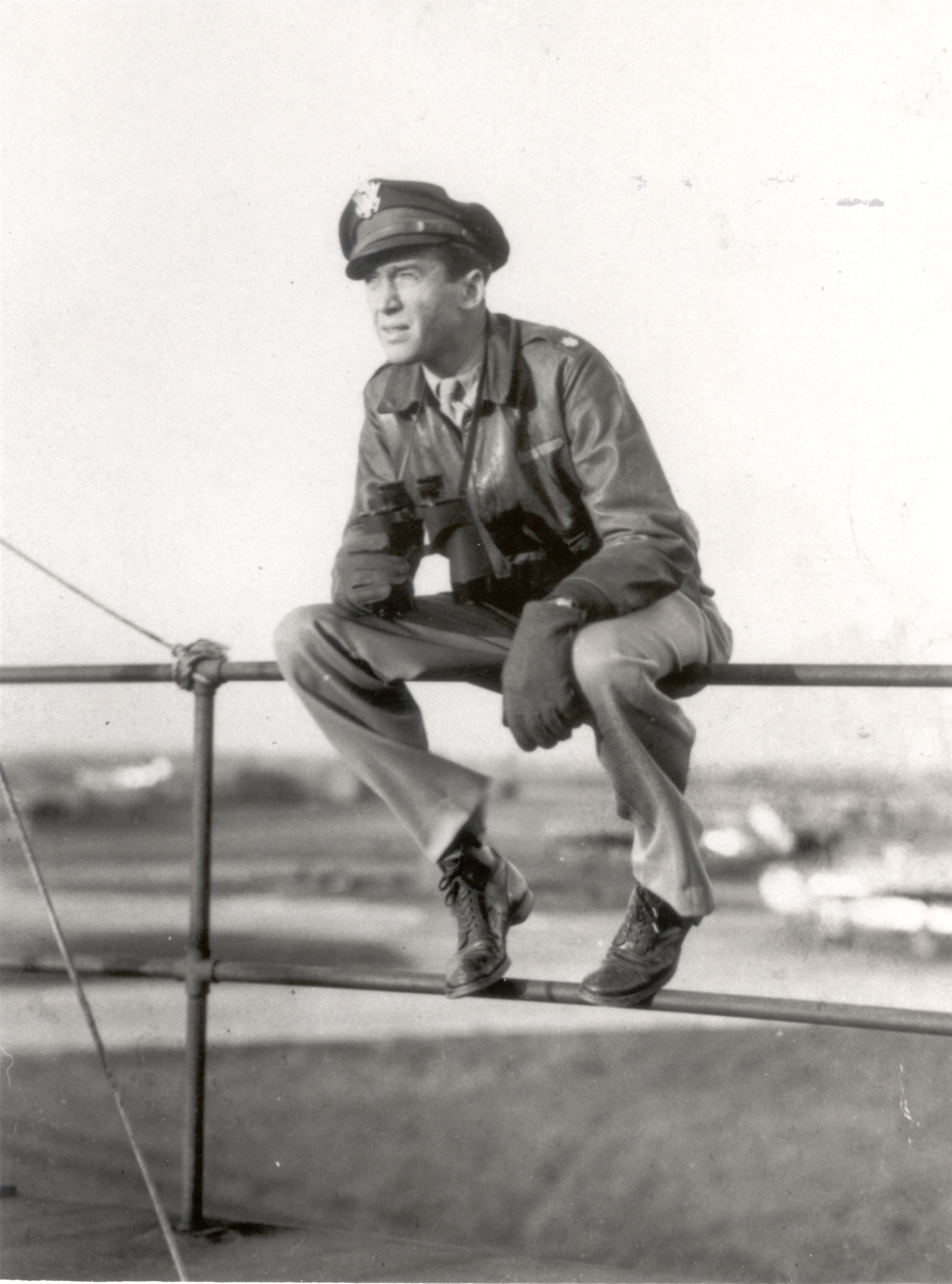

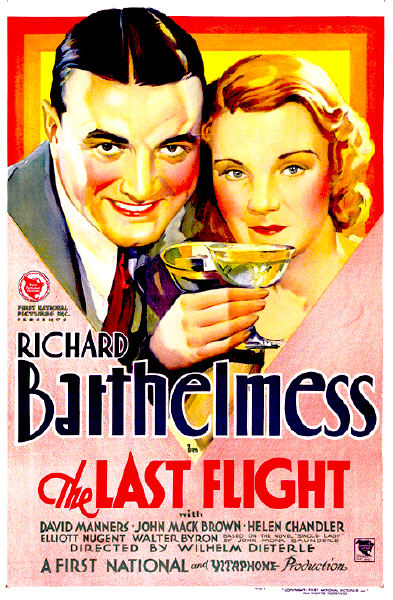


 That film also starred Carole Lombard who tragically lost her life in a plane crash on her way to see her husband Clark Gable who was a B-17 gunner in World War II….there could well be a piece of work in that too.â€