Everyone loves a WIG aircraft!
Category: Uncategorized
A very exciting artwork of a Boeing proposal for a tilt-rotor LHX

The stunningly gorgeous McDD Quiet Attack Aircraft concept

This achingly beautiful design study by McDD dates from the 1970s. Shades of the XP-67 Moonbat? It’s also reminiscent of the Bugatti 100P. I love this.
Specifications (taken on faith)
Length : 44.6 ft
Span: 56.5 ft
Take-off weight: 14,410lb
Empty weight: 9,960 lb
Maximum fuel-load : 3,415 lb
Wing area: 400 sq ft
Take-off thrust/weight ratio: 0.44
Quiet speed, 2500 ft altitude: 112 kn
Max speed, 2500 ft altitude: 400 kn
Secret stealth drone flight! Hush-Kit exclusive: BAE Systems Taranis has flown, link to leaked info in report
According to this Parliamentary report, the BAE Systems Taranis has already flown, despite no announcement from BAE Systems. BAE Systems have declined to reply to queries about this.
Built for speed! The Fokker/Republic D-24 Alliance

How to identify Japanese fighter planes

A very brief history of German stealth
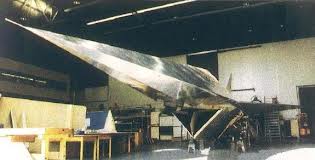
The first application of what we know today as stealth technology, was on German submarines in World War II, which were covered with material coatings to reduce their sonar and radar conspicuity. It is often thought that the Horten Ho 229 flying wing was the first stealth aircraft, but there is little evidence to suggest that this is true.
The MBB Lampyridae was a late 1970s/early 1980s project to produce a low-observable missile fighter. US stealth efforts were deeply classified at the time, but the German company MBB arrived at a similar solution to the F-117 independently. The design relied on a simple faceted shape to control radar returns. It is rumoured that following a trip to the MBB black projects section in 1987 by USAF officers, the US demanded that the project be cancelled.

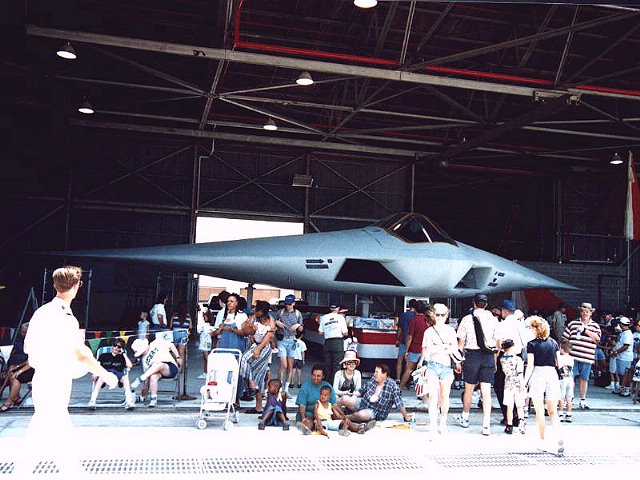
A year earlier, in 1986, Flight International showed an illustration of a new project being studied by Dornier named the LA-2000. This project did not lead to a production aircraft, but the later US-designed McDonnell Douglas A-12 Avenger II bore an uncanny resemblance to the aircraft.
Find out the story of Russian stealth here.
Aviation mythbuster 2 : Why everything you thought you knew about the F-104G Starfighter is wrong
 German Starfighter by Thomas NewdickÂ
An avgeek parallel to the internet’s Godwin’s law, as online discussion on the topic of the German F-104 Starfighter grows longer, the probability of a mention of its allegedly dismal attrition record, or of ‘W****maker’, approaches 1. A total of 292 Lockheed F-104s were lost in German military service, one for each of the words in this article. By 21st-century standards, it’s a catastrophe. In fact, Starfighter attrition was an improvement over its predecessor in Luftwaffe service, the RF/F-84F. Proportionally, it suffered fewer losses than the RAF’s Lightning, that perennial ‘pilot’s aircraft’ (just what aircraft isn’t?). Long before the Tornado was drafted, the F-104G was blazing a trail across inclement European skies as the first true multi-role combat aircraft of the jet age.
 In Luftwaffe service, the Starfighter was admittedly limited in its roles of interception and reconnaissance, but as a low-level nuclear strike fighter, it provided teeth to back up NATO’s rhetoric into the early 1980s. Substitute the additional fuel pack used in the strike role for the M61 Vulcan cannon (which found its first application on the F-104), and hang as much conventional ordnance as that famous tiny wing would permit, and the Starfighter was equally useful in the conventional attack role. The German Navy might have wanted the Phantom or Buccaneer, but they showed just what ‘Kelly’ Johnson’s design could do low over the chilly Baltic, toting anti-ship missiles or running the important ‘Baltic Express’ reconnaissance mission.
The F-104G was never far from scandal in Germany and elsewhere; even the F-35 would struggle to bring down a Dutch monarch or inspire two concept albums!
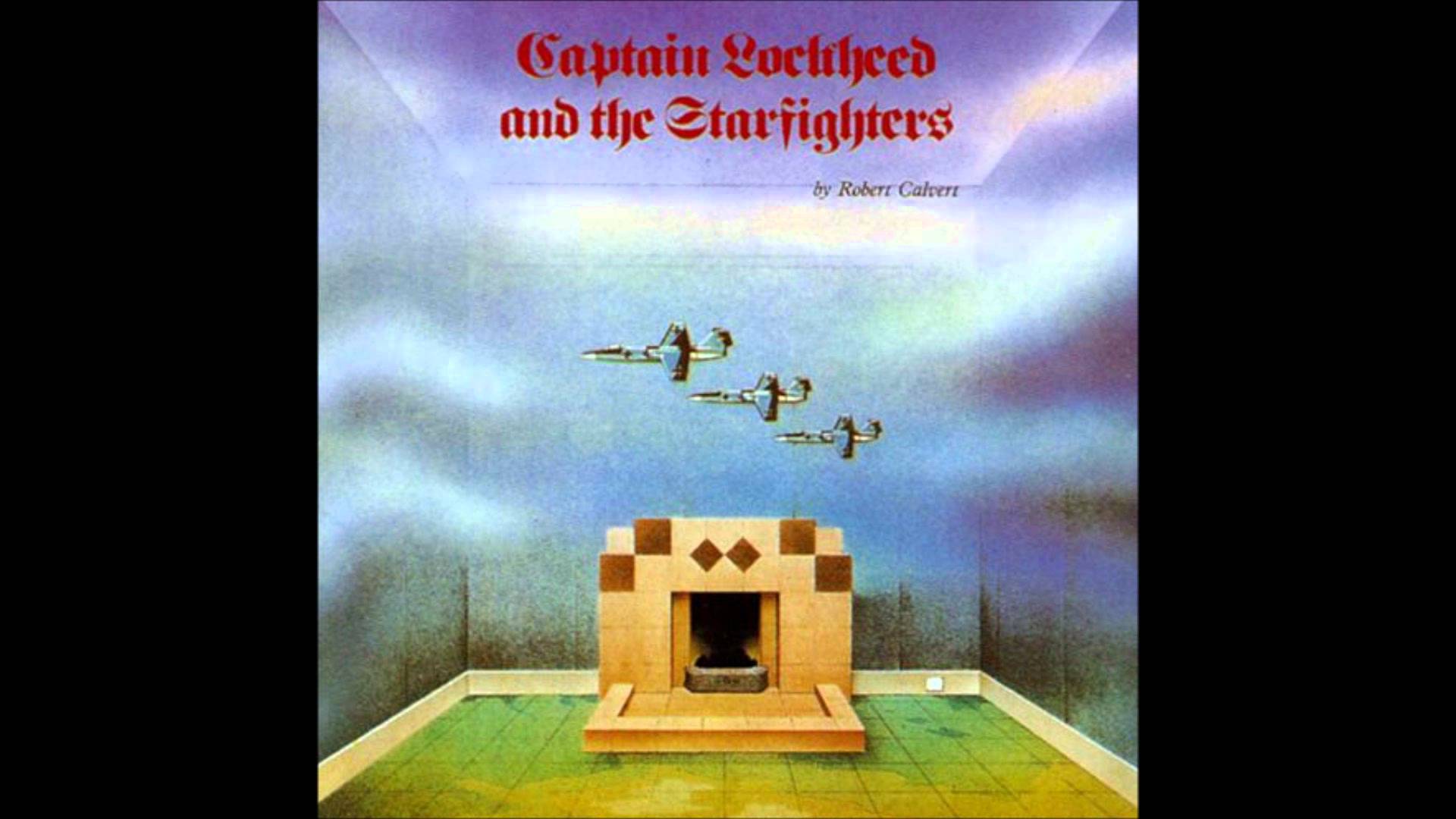
by Combat Aircraft’s Thomas Newdick. If you enjoyed this you will love Essential Aircraft
Identification Guide: Carrier Aircraft 1917–Present. If you wish to hear some very odd Starfighter music listen here and here
Read an interview with a Super Hornet pilot here.
Follow my vapour trail on Twitter:Â @Hush_kit
How the RAF almost acquired Mirage IVs: An insider’s story

A fascinating episode that is rarely discussed is how close Britain’s RAF got to adopting Mirage IVs. This insider’s account of this unusual episode in aviation’s annals is taken from Charles Gardner’s ‘British Aircraft Corporation – A History’. This true story starts shortly after the shock-cancellation of the BAC TSR.2.
“BAC promptly, and on a self-help basis, did all it could to offer an alternative to the F-111 purchase, while naturally welcoming the Jaguar and AFVG proposals. These would load the design offices, but would not replace the TSR.2 on the factory floors for some years. What was urgently needed was some production and consequent payment for hardware. Hence the affair of the Spey-Mirage.
The idea was to get the government to take jointly made Mirage IV airframes fitted with Spey engines instead of buying the F-111. This, BAC argued, could provide a highly efficient TSR.2 replacement aircraft, fully capable of performing the TSR.2 tasks, at a total cost, for seventy-five aircraft of under £2 million each. Production assembly would be from two lines, one in France and one at BAC, and production deliveries could start in 1969.
The proposal was exactly in accord with the announced Government policy of Anglo-French colorations, would use an existing engine in an existing airframe, and incorporate already developed avionics and nav-attack systems. It would be complimentary to the AFVG, which was also to be BAC/Dassault collaboration, and, furthermore there were signs that the French air force might be very interested in buying some. Allen Greenwood for BAC and Ronnie Harker of Rolls-Royce become very active in promoting this solution.
Find out about Britain’s cancelled STOVL superfighter here
Mr. Healey has since said he only loses his temper about once in three years, but, when he does, it is an awesome experience. By all accounts he lost his temper over the BAC/Rolls-Royce Spey-Mirage proposals and referred to BAC in quite unprintable terms. In on outburst he said he would divert his two Anglo-French proposals to Hawker and leave BAC to ponder its sins. It is difficult to understand why he should have taken such a view, as he had not yet ordered any F-111s, and the F-111, to his certain and detailed knowledge, was already a very dubious proposition indeed. For some reason, however, he believed BAC was trying to roll stones in the way of his AFVG project, which was absurd.


BAC wanted both the AFVG for the future, and the Spey-Mirage for immediate reasons. The Spey-Mirage was aimed specifically at the F-111 and not the AFVG, and there can be little doubt that it would have filled this bill very well indeed. It would certainly have been an incomparably better aircraft than the subsonic Buccaneers, which the RAF eventually was forced to take when the AFVG fell through. An American General said of the Buccaneer proposal in 1965, ‘It will give its opponents hysterics, and earn the pity of its friends. The USAF discarded aircraft of the Buccaneer performance a decade ago.’
The better the Spey-Mirage looked the angrier grew the Minister and Ministry of Defence, while the Air Staff even went to the extent of interfering with RAF flight test reports, as one of the pilots has subsequently admitted. In the end, Sir Henry Hardman, Ministry of Defence Permanent Secretary, spelt it out to Lord Portal personally that, if BAC expected any more MoD work, it (and Rolls-Royce) better lay off Spey-Mirage as the RAF was determined to have F-111s.
…
Dassault, who would have done very well out the deal, were understandably angry, and there was much reference to the perfidy of Albion and of her lip service to a European concept while actually being a vassal of the USA. The French were shortly to have their revenge, if for different reasons and motives.â€
You will only hear about the latest exclusive aviation features by following Hush-Kit on Twitter
Hush-kit is reminding the world of the beauty of flight.
What was Italy’s ultimate fighter?
follow my vapour trail on Twitter:Â @Hush_kit
Do you have an idea for a Hush-Kit article you would like to write?

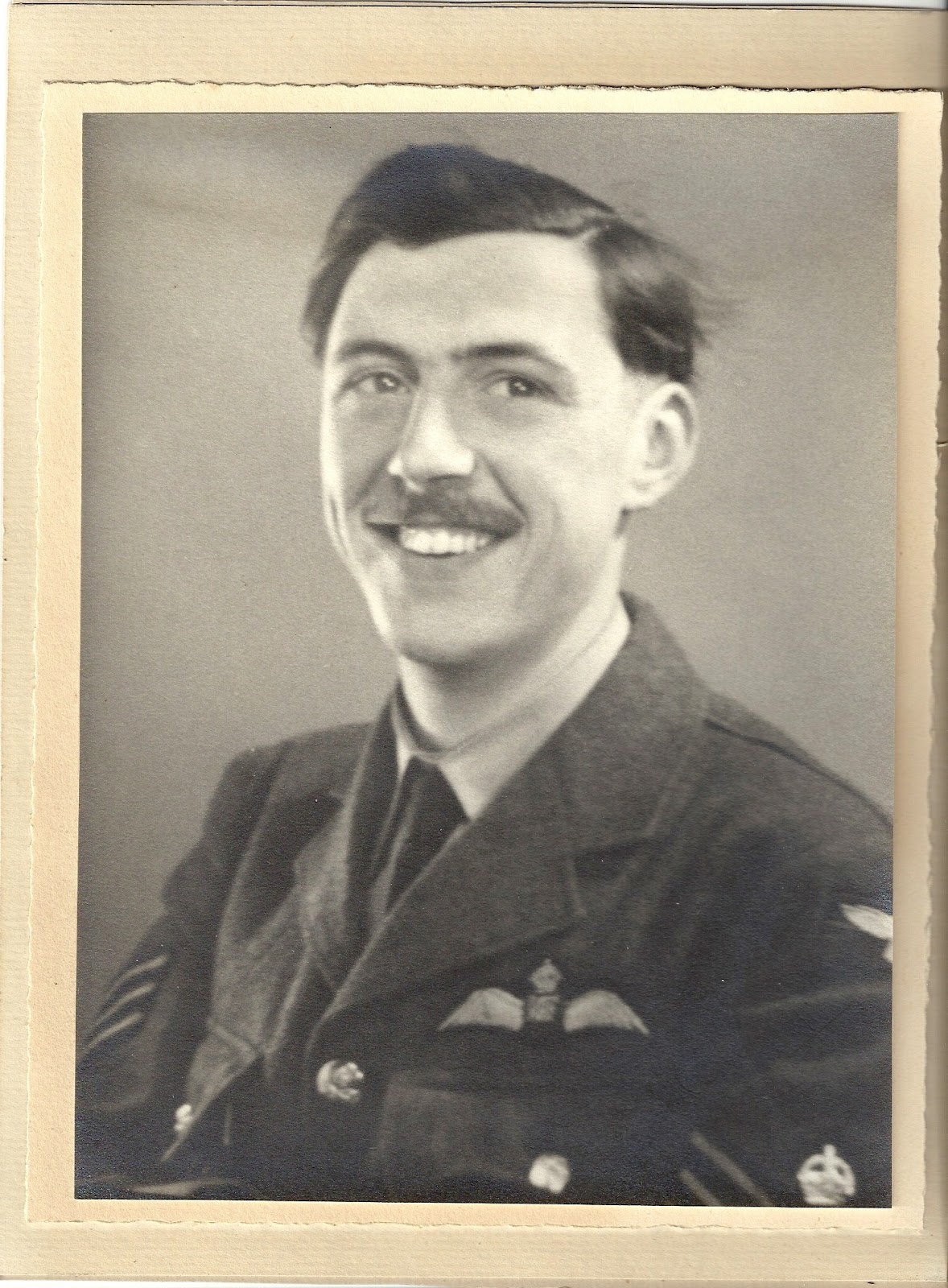
Brief guide to RAF slang from World War II
Abbeville Kids, the: Focke-Wulf 190s
Beau: Bristol Beaufighter
Belinda: Barrage balloons
Beetle-juice: The star Betelgeux
Crate: An aeroplane
Groupy: Group Captain
Milk train: The first patrol of the day.
Roman-candle landing: A poor landing, which merited the Control Officer firing off a warning rocket
Turnip-bashing: Drill on the parade ground or field training
Tin fish: A torpedo
Visiting card: A bomb
Whirligig: Westland Whirlwind
Wopag: Wireless Operator/air gunner
Yellow doughnut: Inflatable life raft