Hush-Kit Top Ten: The ten best-looking Japanese aeroplanes

Image

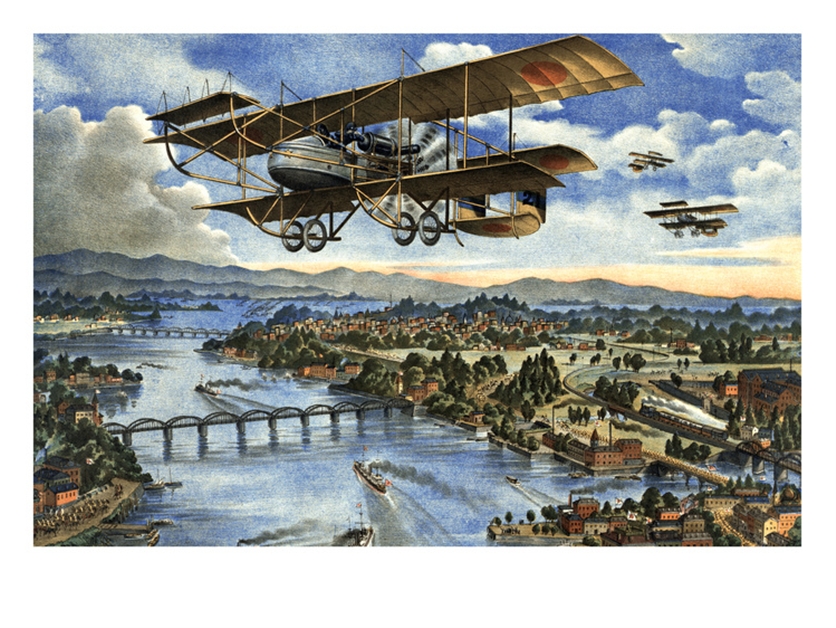
Of the many aeroplanes Japan has produced, few are ugly. This is at least partly due to the importance placed on aesthetics in this nation. As well as attractive airframes, Japanese aircraft have longed received the most magnificent colour schemes. I hope you enjoy our tribute to the beautiful aircraft of Japan.

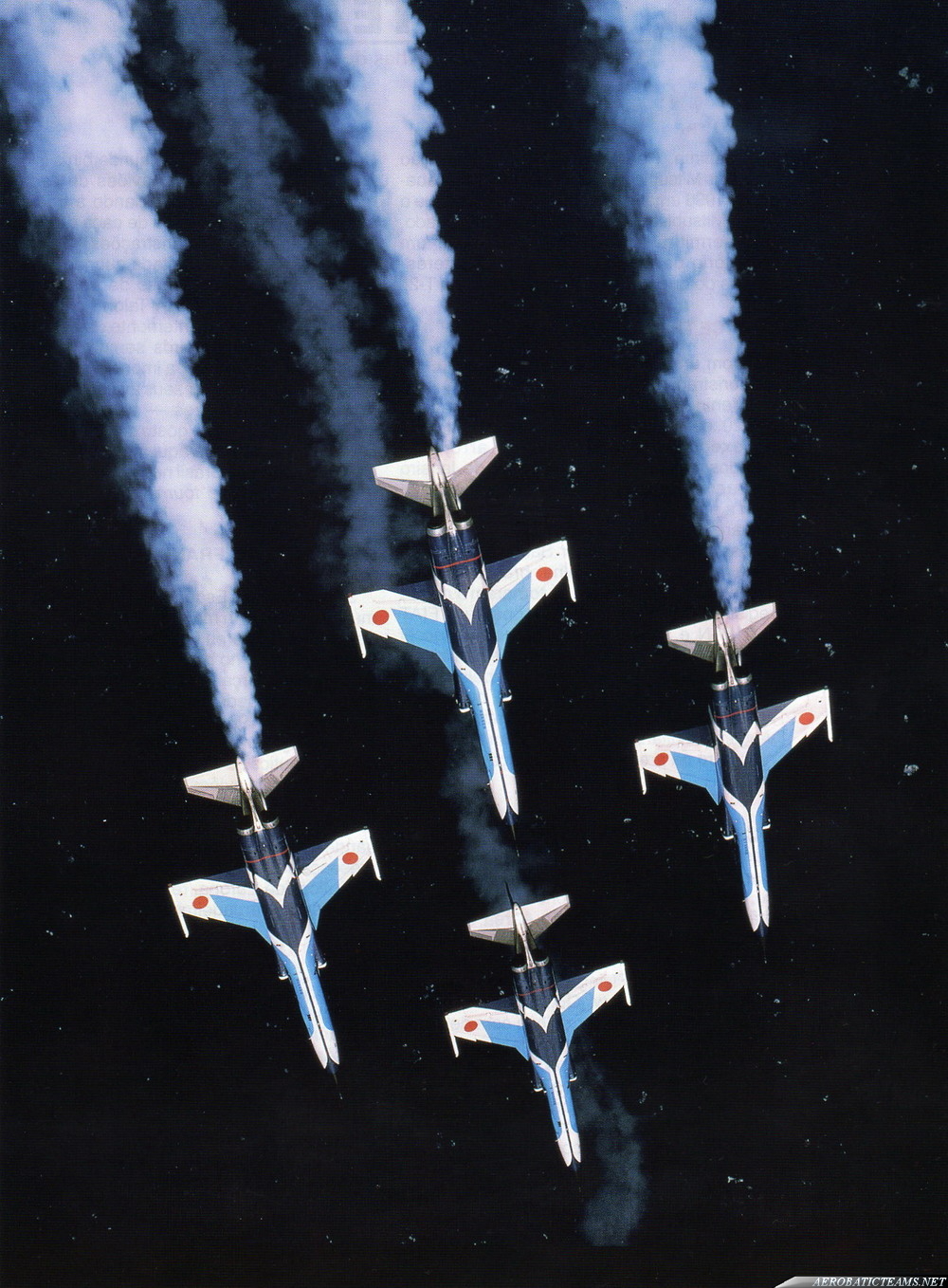
10. Mitsubishi T-2
Image

9. Kawasaki Ki-61

Image

8. Nakajima Ki-44

Image

7. Fuji T-1

Image

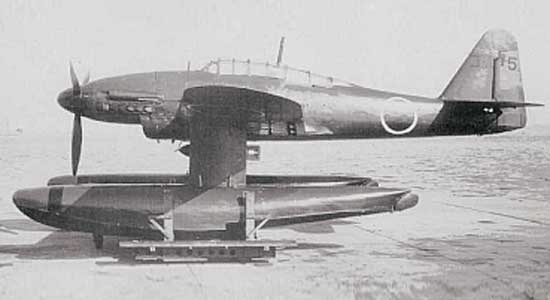
6. Aichi M6A

Image

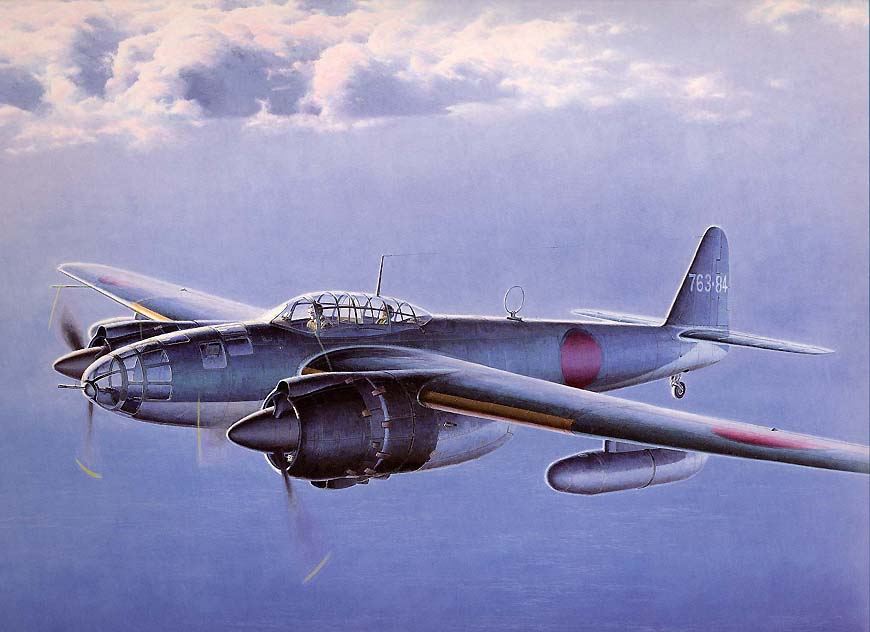
5. Yokosuka P1Y

Image

4. Mitsubishi Ki-57

Image

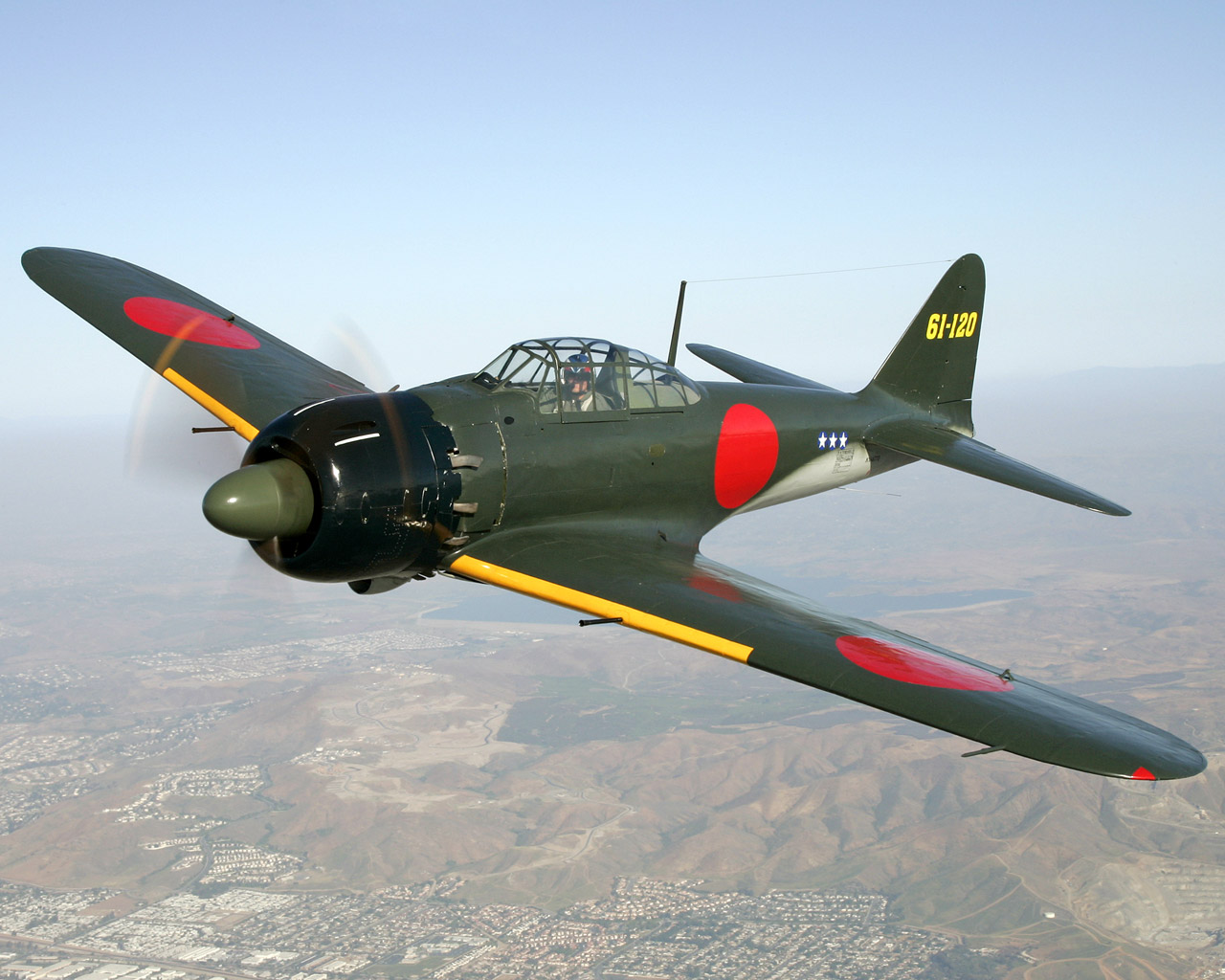
3. Mitsubishi A6MImage


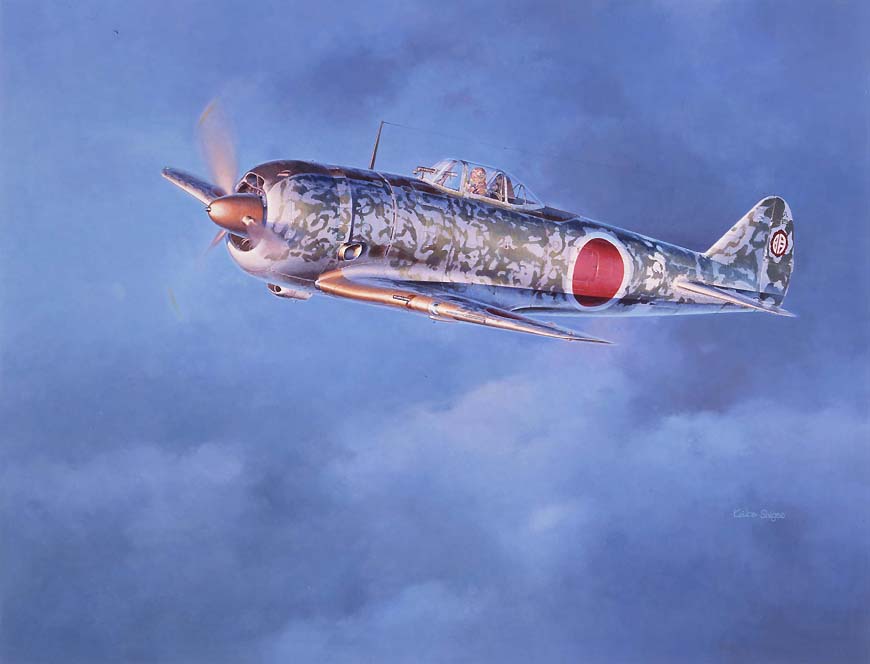
2. Kawasaki Ki-100

Image

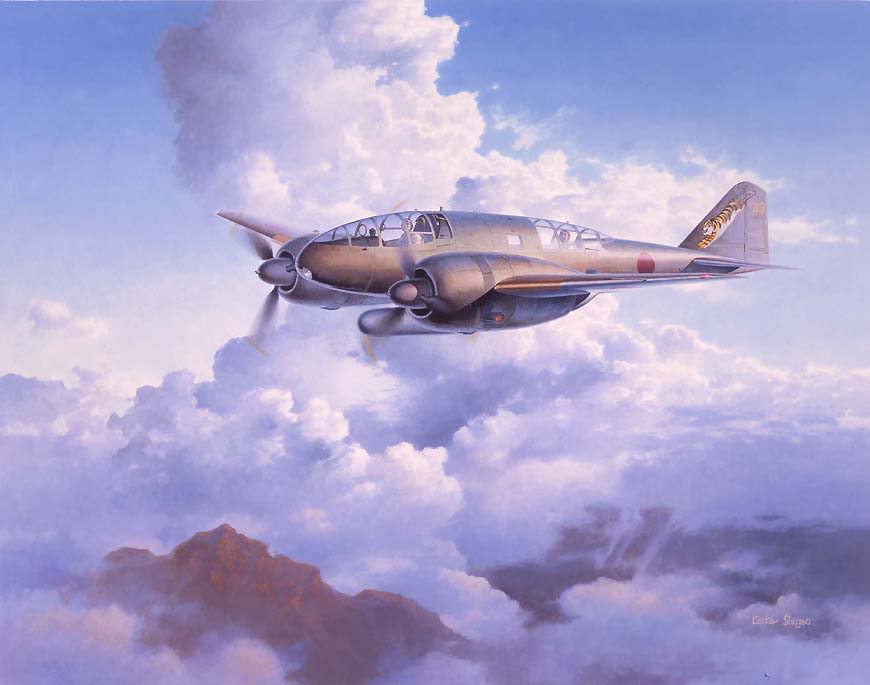
1. Mitsubishi Ki-46Image

 The judges were: Hush-Kit’s Joe Coles, Combat Aircraft‘s Thomas Newdick, the RAF Review‘s Paul Eden, The Aviation Historian‘s Nick Stroud and the artist Ed Ward.  If you enjoyed this, have  a look at the top ten British, French, Swedish, Australian,  Soviet and German aeroplanes. Wanting Something a little more exotic- try the top ten fictional aircraft.

Follow my vapour trail on Twitter: @Hush_kit


Hush-Kit Top Ten: The ten best-looking Soviet aeroplanes

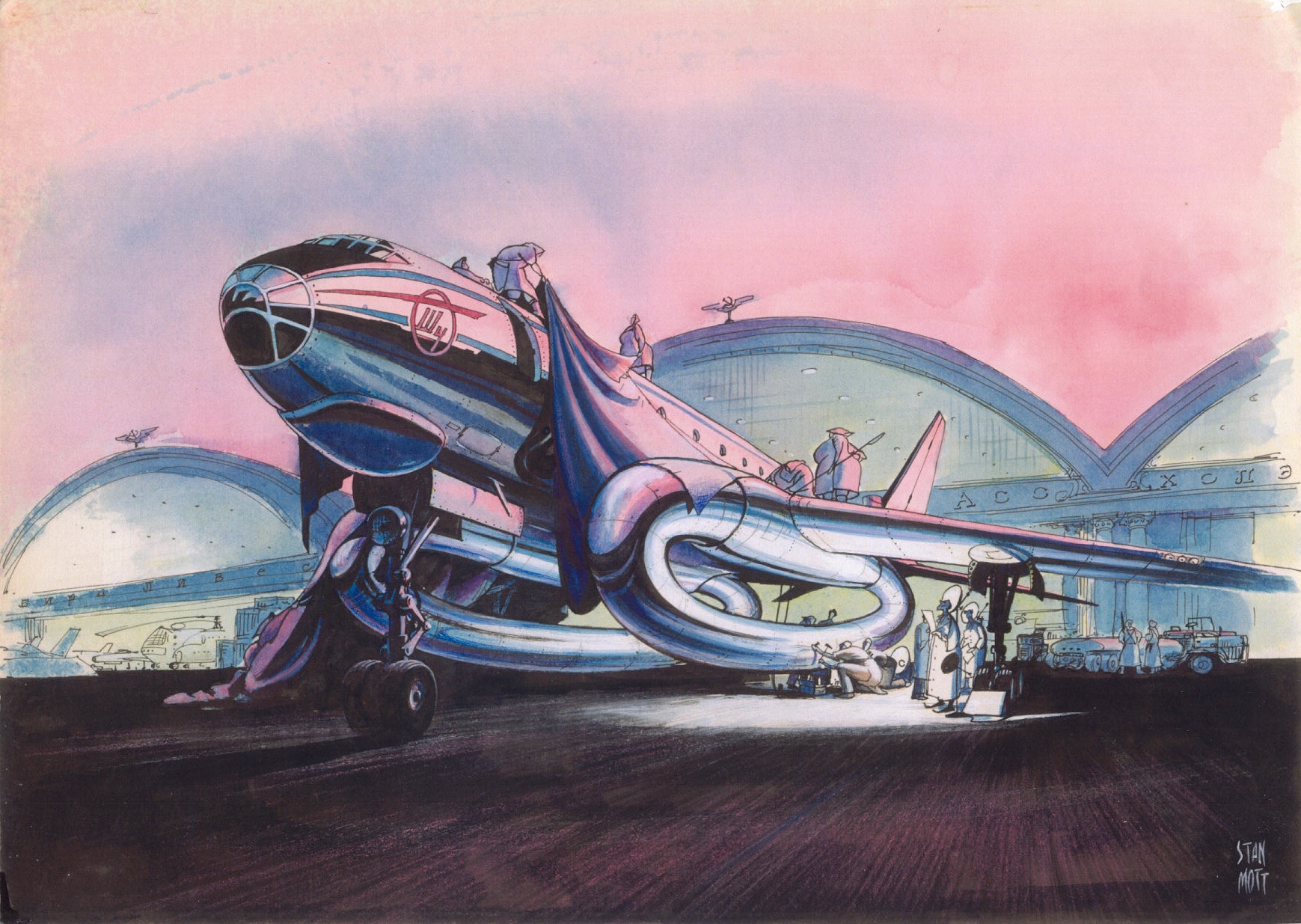
                           Sokerov's final effort by Stan Mott
Sokerov’s final effort by Stan Mott

When Khrushchev met Nixon in 1959, he was typically belligerent. He told the future American president “Soon we will equal the US, and when we pass you, we will wave bye-bye.” The USSR pursued technological advancement with incredible tenacity, and one of the most visible displays of its technical achievements was its aerospace industry. From the brutally accelerated industrial revolution to the record-breaking flights of the Cold War, the Soviet Union built an enormous number of spectacular aeroplanes. Often the most agile, fastest or biggest, they were also among the toughest and cheapest, here’s a tribute to some of the engineering marvels of a dead Empire.

Or you can jump to see the top ten American aircraft here:

10. Tsybin RSR

Image

9. Antonov An-225

Image

8. Mikoyan-Gurevich MiG-3

Image

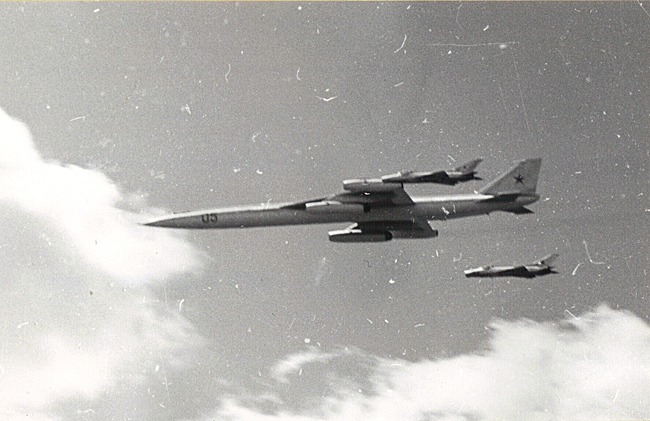
7. Myasishchev M-50 

Image

6. Tupolev Tu-22

Image

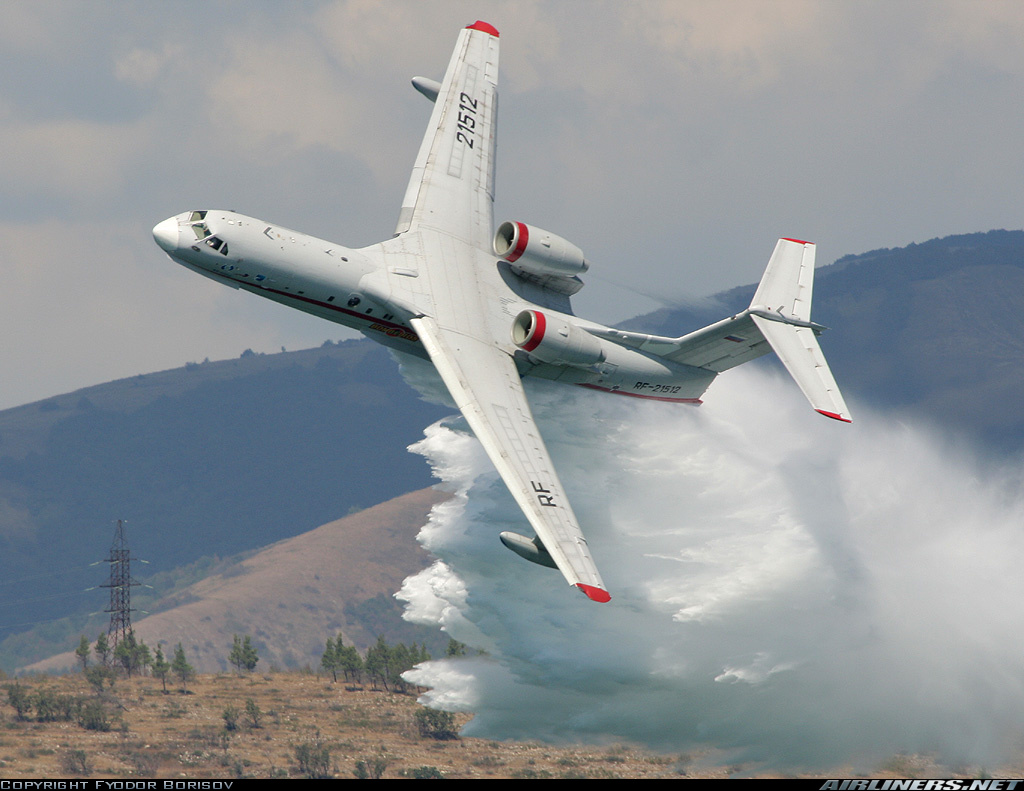
5. Beriev 200

Image

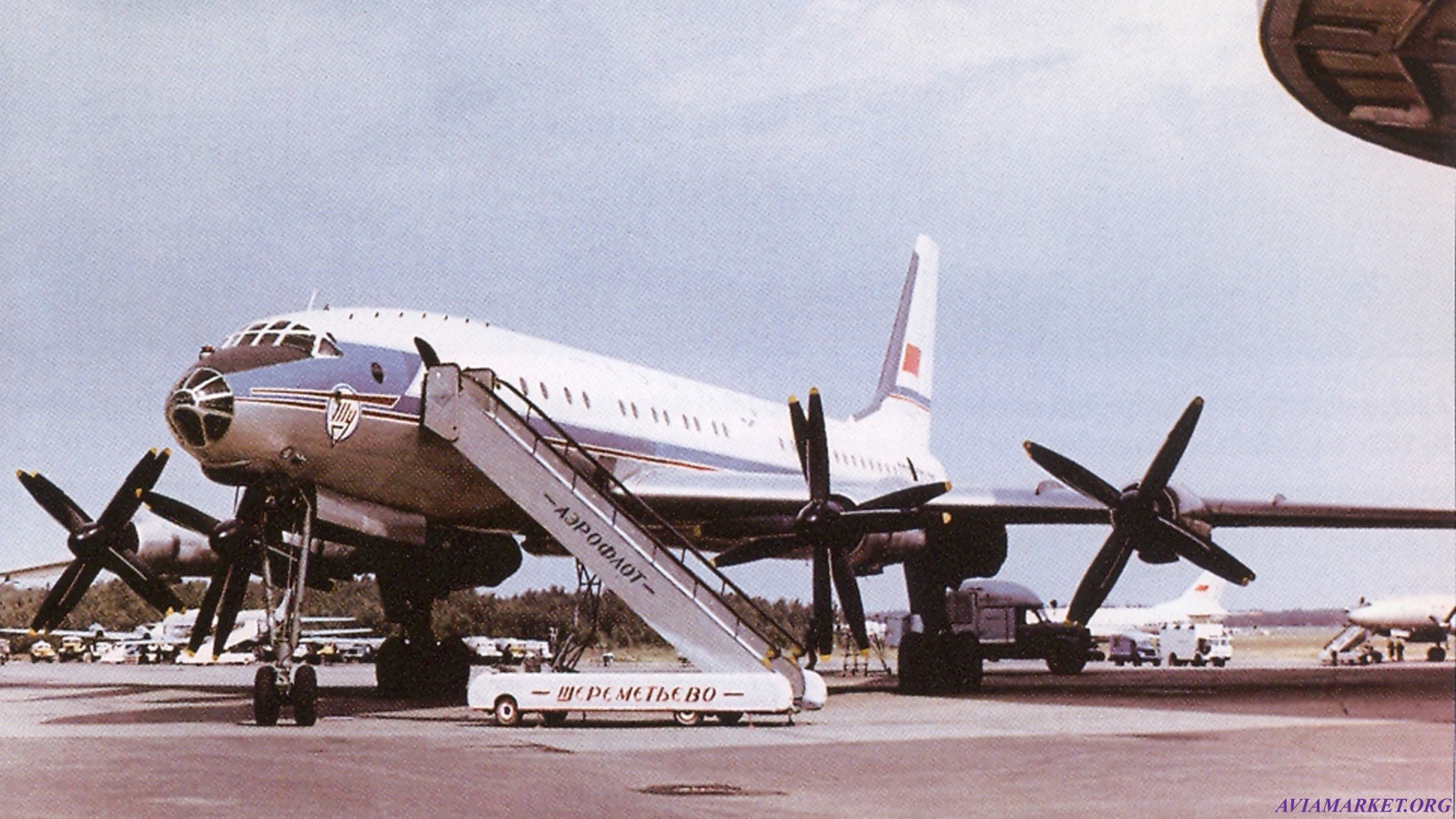
4. Tupolev Tu-114

Image

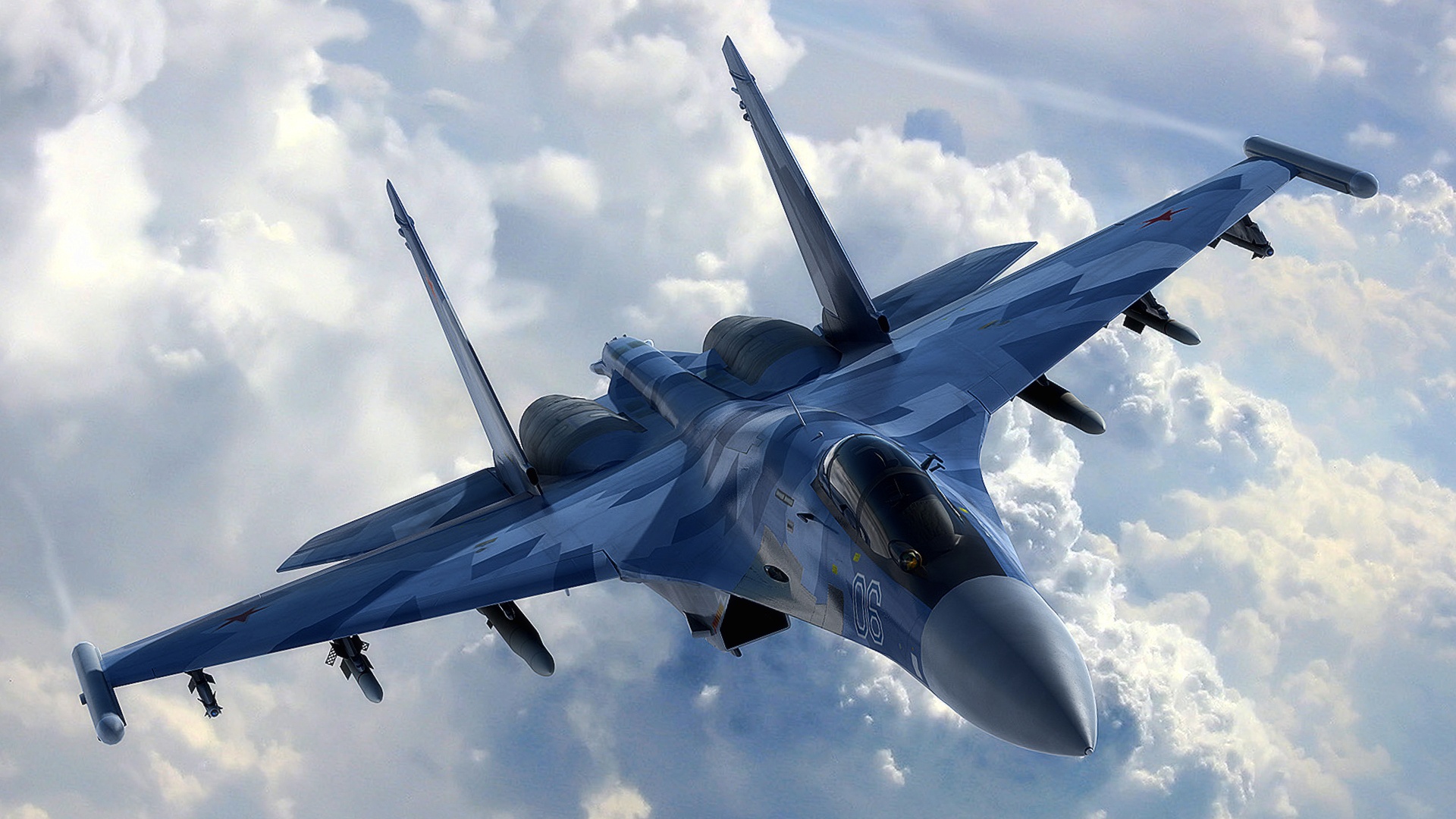
3. Sukhoi ‘Flanker’-series

Image

2. Tupolev Tu-160

Image

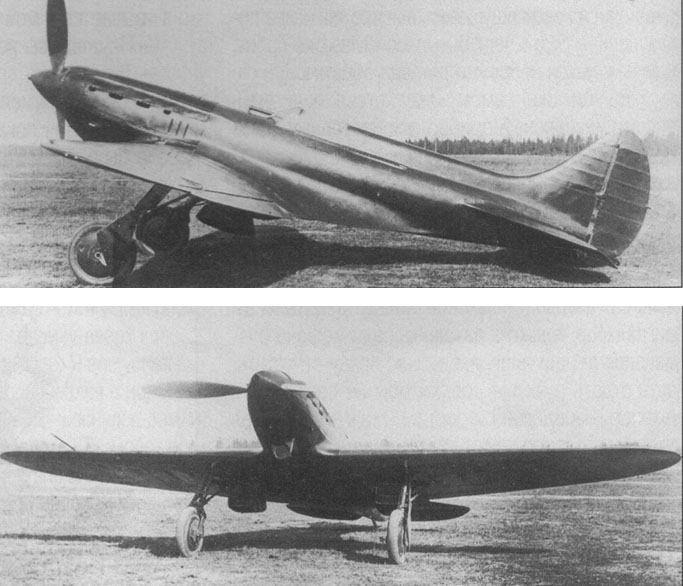
1. Polikarpov I-17

Image

The judges were: Hush-Kit’s Joe Coles, Combat Aircraft‘s Thomas Newdick, the RAF Review‘s Paul Eden, The Aviation Historian’s Nick Stroud and the artist Ed Ward.  If you enjoyed this, have  a look at the top ten British, French, Swedish, Australian,  Japanese and German aeroplanes.

Want to see more stories like this: Follow my vapour trail on Twitter: @Hush_kit

Help us bring you unusual article about aircraft by donating here, the more we get the more we can give you. Many thanks dear reader! 

Have a look at 10 worst British military aircraft, Su-35 versus Typhoon, 10 Best fighters of World War II , top WVR and BVR fighters of today, an interview with a Super Hornet pilot and a Pacifist’s Guide to Warplanes. Was the Spitfire overrated? Want something more bizarre? The Top Ten fictional aircraft is a fascinating read, as is The Strange Story and The Planet Satellite. The Fashion Versus Aircraft Camo is also a real cracker. Those interested in the Cold Way should read A pilot’s guide to flying and fighting in the Lightning. Those feeling less belligerent may enjoy A pilot’s farewell to the Airbus A340. Looking for something more humorous? Have a look at this F-35 satire and ‘Werner Herzog’s Guide to pusher bi-planes or the Ten most boring aircraft. In the mood for something more offensive? Try the NSFW 10 best looking American airplanes, or the same but for Canadians. 

MY FAVOURITE AEROPLANE IN 200 WORDS #27 by Oscar Rickett

Boy-with-Paper-Airplane

Aeroplanes are indecipherable to most of us. They loom, like giant birds above us, ploughing through the sky like a tank through a garden fence. Unlike most of the people who read this site (I imagine), I don’t know how planes work. I even visited an exhibition about the Wright Brothers (in Rockford, Illinois) and came away none the wiser, despite there being an exact replica of the Wright Flyer II there, accompanied by a detailed diagram that let the visitor know exactly how the thing worked. “Whatever”, I thought, “it’s witchcraft”. I still feel like Conan O’Brien in his 1860s baseball re-enactment sketch, shouting “What ho! What is that demonry?” at a passing plane.

will

That’s why the simple, uncomplicated paper plane is my favourite form of flying vehicle [not usually used as vehicle- Ed]. They make sense to me, though I can barely fashion one myself. I know what they are made of and they travel at a speed I can understand. They are aerodynamic, a word I do not properly understand. Perhaps it is a memory of lost innocence although, to be honest, my school days weren’t full of carefree paper plane flying. That kind of thing seems to only exist in the pages of Just William but maybe we have a collective consciousness that, when faced with something like a paper plane, evokes happy schoolyard days. I can’t tell you too much about that but I can tell you that if I saw a paper plane now, well, I just might smile. Smile, and then cry for a childhood I never had.

Oscar Rickett writes regularly for Vice and has written for The Observer, The Sunday Times and Time Out, among others. You can read some of his articles here http://www.vice.com/en_uk/author/oscar-rickett and follow him on Twitter here https://twitter.com/oscarrickettnow

Paper_Airplane

Follow my vapour trail on Twitter: @Hush_kit


Hush-Kit Top Ten: The ten best-looking Australian aeroplanes

houdini

At dawn on 18 March 1910, escapologist Harry Houdini became the first person to fly an aeroplane in Australia (like many aspects of Australian aviation history, this is the subject of fierce debate, and some claim that it was actually Colin Defries or Fred Custance). Earlier, in 1856, one M Pierre Maigre had attempted to demonstrate a hot air balloon in front of a crowd of 6,000, who had paid to watch ‘the first flight in Australia’. The balloon failed to take-off, and many of the onlookers rioted. In the ensuing chaos, somebody knocked Maigre’s hat off, and fearing for his life, he ran from the site, chased by an angry mob of thousands (he found refuge in a government building). Meanwhile, the crowd set fire to the balloon and “created a bonfire from the tent and seats”.

The first flight by a truly Australian aeroplane took place in 1910, piloted by John Duigan. Since then, Australia has built a variety of fascinating planes, let’s have a look at the ten best-looking…

10. Government Aircraft Factories Nomad

GAF Nomad

9. Commonwealth Aircraft Corporation Boomerang

cac-boomerang

8. Genairco Biplane

General_Aircraft_biplane

7. Genairco Seaplane

Genairco seaplane shipped to Rabaul

6. Commonwealth Aircraft Corporation Woomera

Womera

5. Commonwealth Aircraft Corporation CA-16 Wirraway

CAC_CA-16_Wirraway_

4. Silver Centenary

silverg

3. Victa R2

Victa_R2_Schofields_test_flight_Ken_McGowan

2. Tugan Aircraft LJW.7 Gannet

Tugan

1. Commonwealth Aircraft Corporation CA-15 ‘Kangaroo’

CA-15

Hush-kit is reminding the world of the beauty of flight.

For the latest Hush-Kit aviation news, follow me on Twitter: @Hush_kit

Meteor launched from Typhoon

Meteor.jpg large

On the 4th December 2012 the first launch of a MBDA Meteor missile from a Eurofighter Typhoon took place. This followed successful launches from Saab Gripen, Panavia Tornado F.Mk 3 (now retired) and Dassault Rafale. The weapon was launched from a rear fuselage missile station.

The flight trials were conducted with support from QinetiQ and MBDA at a firing range in Aberporth, Wales.

Hush-kit is reminding the world of the beauty of flight.

follow my vapour trail on Twitter: @Hush_kit