Hush-kit is reminding the world of the beauty of flight.
follow my vapour trail on Twitter: @Hush_kit
The alternative aviation magazine
Hush-kit is reminding the world of the beauty of flight.
follow my vapour trail on Twitter: @Hush_kit

Â
Follow my vapour trail on Twitter:Â @Hush_kit
Do you have an idea for a Hush-Kit article you would like to write? Are you an editor with pages to fill? Contact: hushkiteditorial@gmail.com
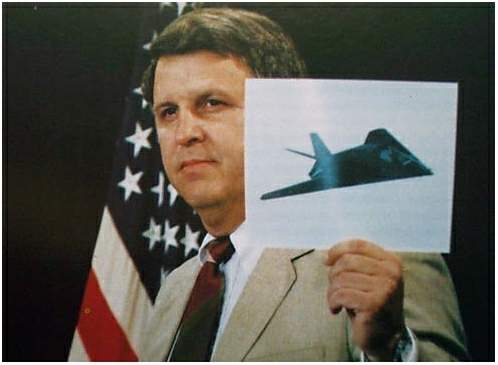
On November 10 1988, a heavily airbrushed photo was shown at a press briefing by Assistant Secretary of Defense for Public Affairs, J. Daniel Howard. Until that moment the subject of the photo had been one of the world’s most closely-held secrets.
The photograph was of the Lockheed F-117, the legendary ‘stealth fighter’.
It was a new and weird shape. Slightly preceding this, (in April 1988) the Northrop B-2 had also emerged from the Black world of secret defence projects. The B-2 ‘stealth bomber’ was a charcoal grey flying-wing, clearly designed by the same person who had created the Batmobile.
Stealth was big news. Until then, aeroplanes had been tubes with wings, designed primarily with air particles in mind, now they were shaped for their reaction with radio waves; things had suddenly changed. As an aeroplane-fixated ten-year-old, I was hungry for more information on this new world. With its secrecy, its potency and dramatic unveilings, it was wildly exciting.
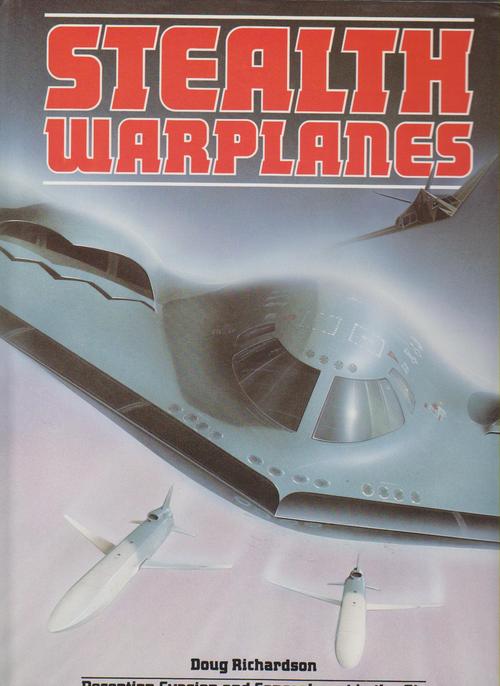
So I was very happy when I was bought a copy of Stealth Warplanes, a book by Doug Richardson. Â I believed that this book, with its thrilling cover, was my secret pass to the nefarious world of Stealth. I picked up another copy today, as I was curious to see how well this book had stood the test of 23 years.
‘Mikoyan MiG-37’


Soviet developments could not be ignored by the book, despite the fact that at this time, nothing about Soviet stealth projects was known in the press. So the ‘Mikoyan MiG-37’ was pure conjecture, based on the pure ‘conjecture’ (more on this later) of the MiG-2000. The MiG-2000 was a notional threat aircraft devised by General Dynamics’ Richard Ward, of what a follow-up to the MiG-29 might look like. It was intended to give the international F-16 community an idea of what they may be up against in the year 2000. This was based on Ward’s observations of several technologies the Soviets appeared to be very interested in, most notably thrust vectoring and the canard-delta arrangement. At this time, it was rumoured that the MiG-35 was to be a single-engined aircraft in the F-16-class, though in retrospect it is more likely that this rumour related to the Izdeliye 33 (Izd 33) which would have probably been designated MiG-33 (and may have been a design influence on the JF-17).
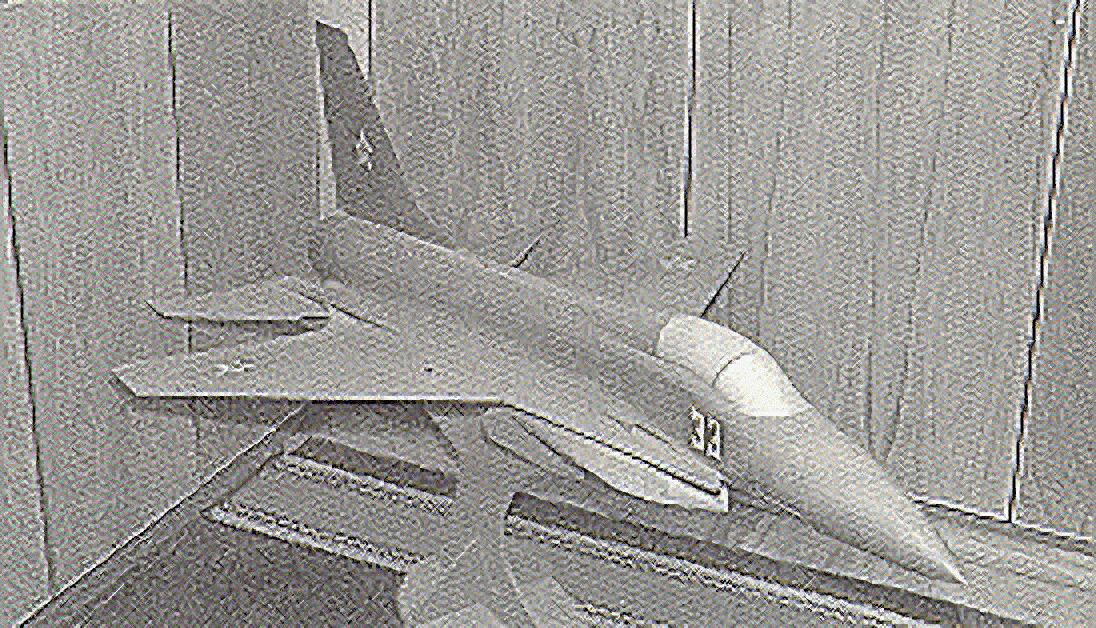
Regardless, it looked to many observers that MiG-37 seemed the most likely designation for the first Soviet stealth fighter. As the text points out:
“In the autumn of 1987, the US plastic model manufacturer Testors.. launched its model of the “MiG-37B Ferret Eâ€- a Soviet equivalent to the Lockheed stealth fighter. Its appearance must have caused a few smiles around the Mikoyan design bureau. As its manufacturer admitted.. Its reception in the Pentagon must have been less amusing. Here in widely-distributed form was the first model to widely illustrate the use of RCS reduction technique.†(more on Testor’s MiG-37 can be seen here). It seems that the concepts of a gridded intake and a surface made of flat panels was already there for those looking. And Testors’ model designer John Andrews certainly seemed to have his ear to the ground.

One of the fascinating features of this book was its strong belief in ‘round stealth’. Many of the hypothetical aeroplanes in this book feature rounded-off wingtips, noses and fin-tips of the hypothetical aircraft. Radar returns would be scattered from these curves:
“…the rounded planform (of the MiG-37) shown here would ensure that reflected energy was scattered over a range of directions.”

In reality, this design idea was never used (albeit to a small degree on some cruise missiles), and it could be argued that the cultivation of this idea was the result of deliberate disinformation by several companies. Loral, Northrop and Lockheed (in several ATF artworks) may have been actively involved in this attempt to draw attention away from the F-117-facetingand B-2 flying wing approach. This idea can be seen on most ‘F-19s’ and is evident on this MiG-37.

 Of course complex curves are used in modern low observable designs, but this ‘round stealth’ is not like the two US schools of stealth that have emerged, the Lockheed approach (sharp angles and flat surfaces) and the Northrop approach (as flat as possible, and of the flying wing configuration for subsonic designs, as seen on the B-2, Lockheed Martin RQ-170, Dassault NeuroN etc). When Northrop and McDonnell Douglas designed the YF-23, they incorporated the ‘flat as a pancake’ Northrop approach.
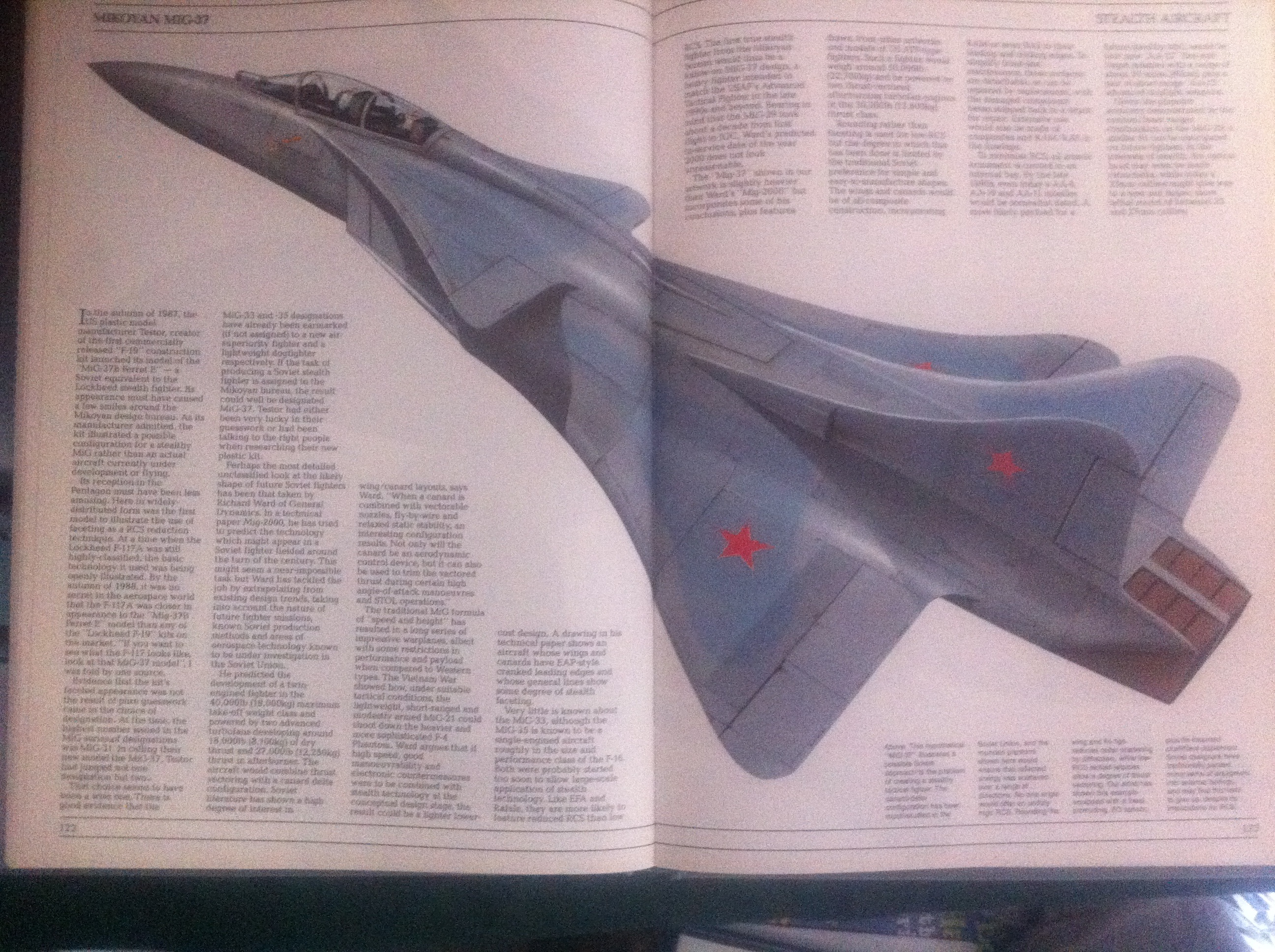
The notional MiG-37 is a tactical fighter that weighs around 50,000 lb and is powered by two 30,000 lb (in reheat) thrust class turbofans. It has two-dimensional vectored thrust provided by ‘slotted low-RCS nozzles’. It is a two-seater, with a canard delta planform and two canted out vertical fins. The concept emphasizes performance and reduced radar cross section.
Did history provide us with a real MiG-37 to compare it to? The simple answer is yes. The Mikoyan Project 1.44/1.42 was a technology demonstrator that first flew in 2000. It displayed some similarities to Richardson’s MiG-37.

MiG 1.44/1.42
It was a canard delta, it did have out twin canted tails. The thrust class was similar, though the real aircraft was even more powerful, with two Lyulka AL-41F turbofans rated at 176 kN (39,680 lb) in reheat. Weight was between 42-62,000 lb depending on fuel load, test equipment etc, so again- excellent guesswork. It certainly did not have rounded-off wingtips or tail-fins. The nozzles were not flat, despite the stealth advantages these could have conferred. The reason for the inclusion of round exhaust nozzles could have been one or more of the following-
1. 3D vectoring was envisioned, requiring a circular nozzle (perhaps extreme manoeuvrability was considered more important than minimum RCS)
2. Russian metallurgy was not good enough to make square nozzles which could withstand the high temperatures of a vectoring jet nozzle
3. The actual production version if made, would have featured 2D nozzles
4. They were not required or were not consider a suitable design feature
It was claimed that the aircraft would feature plasma stealth technology, an exotic idea that a General Electric employee had filed patents relating to in 1956. Little has been heard about plasma stealth since, though the fact that the later PAK FA is so carefully shaped suggests it is not a technology that was made to work satisfactorily. Problems in developing working plasma stealth include the generation of sufficient power to create the required plasma layer, and the operation of radar and radio in what amounts to a ‘radio blackout’. Talk of this technology may have been deliberate disinformation.
The MiG 1.44/1.42, a candidate for the Mnogofunksionalni Frontovoy Istrebitel (Multifunctional Frontline Fighter) programme was cancelled (though some contend that research from this effort found its way into the Chengdu J-20 project though there is no direct evidence of this). Sukhoi’s rival S-47 ‘Berkut’ took a radically different approach and adopted canards with forward swept wings, as can be seen from later developments this configuration appears to have been a design dead-end, at least for the time being.
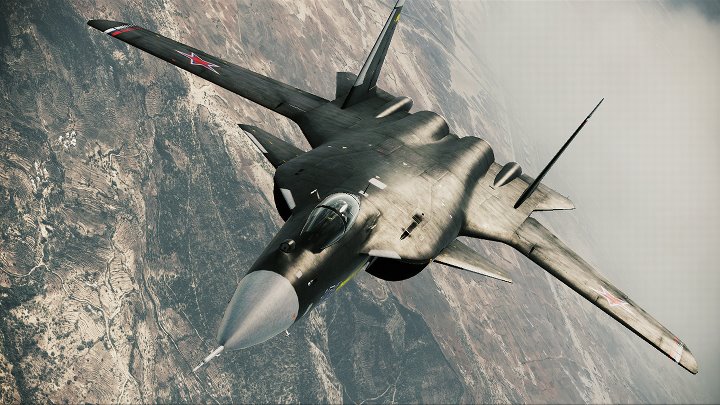
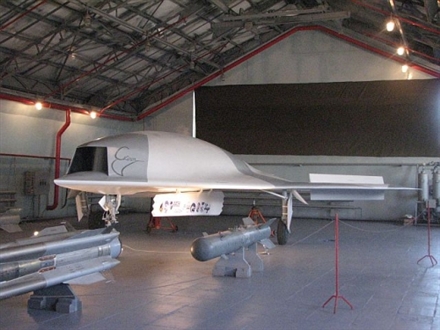
As far as we know MiG’s current stealth efforts are devoted to developing a Northrop-style UCAV with Sukhoi (using experience gained on MiG’s cancelled ‘Skat’ UCAV).
The Russian stealth fighter in development today is the Sukhoi PAK FA. The design features with some smaller similarities with Richardson’s MiG-37. Both the ‘MiG-37’ and the PAK FA feature a IRST/laser ranger finder (à la MiG-29/Su-27)- something the Russians very much appreciate, and there seems relatively little effort to reduce this sensor’s radar cross section.
It appears the PAK FA is built with a more attention to ease of maintenance than the ‘hygienically’ smooth Raptor, which seems to favour absolute minimum radar return (but this is pure speculation). The PAK FA does not have a canards (a difficult feature to make stealthy, nevertheless featuring on the J-20), instead, it has an innovative kind of movable leading edge root extension (described by some as Povorotnaya Chast Naplyva or PChN). The Sukhoi approach to stealth includes elements seen in both the Northrop and LM schools, but seems to have less emphasis on achieving a minute RCS to the detriment of serviceability and aerodynamic efficiency.

Richardson’s MiG-37 concept was, given the information available to him, an excellent piece of guesswork, and a pleasantly revealing insight into a ‘crossroads’ period of aviation history. It is also interesting that, on first impressions, the MiG-37 was a more accurate guess than Ward’s MiG-2000. However, there is more to the story than this, as Richard Ward was one of the most experienced figures in the design of stealth aircraft. General Dynamics had inherited a wealth of stealth research from Convair, from projects including the A-11 and Kingfish. Ward probably worked on the Model 100/Sneaky Pete and other A-12 precursors. As Bill Sweetman said to Hush-Kit: “He knew what to avoid with MiG-2000.”
The PAK-DA is a new stealth bomber project at a very early stage of development.
Follow my vapour trail on Twitter:Â @Hush_kit
Thank you for reading Hush-Kit. Our site is absolutely free and we have no advertisements. If you’ve enjoyed an article you can donate here– it doesn’t have to be a large amount, every pound is gratefully received. If you can’t afford to donate anything then don’t worry.
At the moment our contributors do not receive any payment but we’re hoping to reward them for their fascinating stories in the future.
As a thank you….
Those who donate more than £50 may ask for a short article on a particular subject.
Those who donate more than £100 may ask for a long article on a particular subject.
Special thanks to the great Bill Sweetman for ironing out several of the facts in the original version of this. There are likely to be further amendments to this piece at a later date.
“If you have any interest in aviation, you’ll be surprised, entertained and fascinated by Hush-Kit – the world’s best aviation blogâ€. Rowland White, author of the best-selling ‘Vulcan 607’

From the cocaine, blood and flying scarves of World War One dogfighting to the dark arts of modern air combat, here is an enthralling ode to these brutally exciting killing machines.
The Hush-Kit Book of Warplanes is a beautifully designed, highly visual, collection of the best articles from the fascinating world of military aviation –hand-picked from the highly acclaimed Hush-kit online magazine (and mixed with a heavy punch of new exclusive material). It is packed with a feast of material, ranging from interviews with fighter pilots (including the English Electric Lightning, stealthy F-35B and Mach 3 MiG-25 ‘Foxbat’), to wicked satire, expert historical analysis, top 10s and all manner of things aeronautical, from the site described as:
“the thinking-man’s Top Gear… but for planes”.
The solid well-researched information about aeroplanes is brilliantly combined with an irreverent attitude and real insight into the dangerous romantic world of combat aircraft.


The Walrus doesn’t look like air is its natural element. It’s an amphibian, but even the wheels look like an afterthought. No, it’s all about water; its star sign is Aquarius.
Is that surprising? It has a bilge pump, it carries an anchor. From its looks, you’d say Reginald Mitchell spent his holidays on the Norfolk Broads and was inspired to graft bi-plane wings and a pusher engine onto a cabin cruiser. It was intended for catapult launch from battleships, so he built it like one. You can loop a Walrus, but first check there’s no seawater in the bilges.

The small bomb load proved enough to sink a U-boat. But just as the Walrus was not quite an airplane, it was not quite a warrior. When the better, faster and meaner came along, it was given over to air-sea rescue. It found its true calling in saving, not killing.
For the half-drowned, who know hypothermia isn’t far off, a Shagbat was a blanket, a thermos of hot tea laced with rum, it was life. And when the weight of ten Americans from a ditched B-17 couldn’t be lifted, the pilot just pointed the bow towards England, and taxied home.

Jane Morton is a coder involved in an East-Anglian start-up technology company, and a sometime snowboard instructor. She likes flying boats and airships, especially British ones
Want to see more stories like this:Â Follow my vapour trail on Twitter:Â @Hush_kit
Thank you for reading Hush-Kit. Our site is absolutely free and we have no advertisements. If you’ve enjoyed an article you can donate here. At the moment our contributors do not receive any payment but we’re hoping to reward them for their fascinating stories in the future.
Have a look at 10 worst British military aircraft, Su-35 versus Typhoon, 10 Best fighters of World War II , top WVR and BVR fighters of today, an interview with a Super Hornet pilot and a Pacifist’s Guide to Warplanes. Was the Spitfire overrated? Want something more bizarre? The Top Ten fictional aircraft is a fascinating read, as is The Strange Story and The Planet Satellite. The Fashion Versus Aircraft Camo is also a real cracker. Those interested in the Cold Way should read A pilot’s guide to flying and fighting in the Lightning. Those feeling less belligerent may enjoy A pilot’s farewell to the Airbus A340. Looking for something more humorous? Have a look at this F-35 satire and ‘Werner Herzog’s Guide to pusher bi-planes or the Ten most boring aircraft. In the mood for something more offensive? Try the NSFW 10 best looking American airplanes, or the same but for Canadians.Â
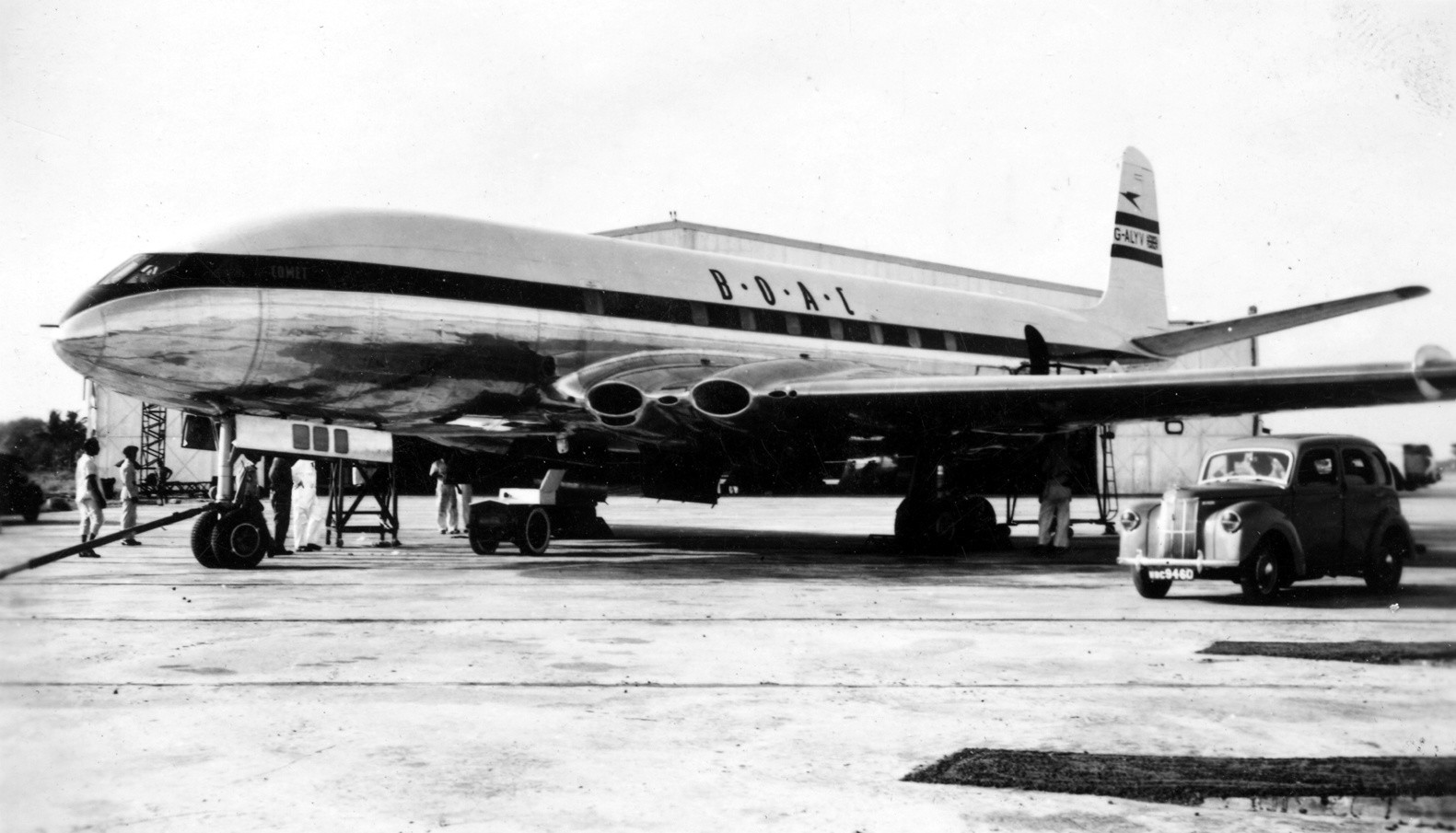
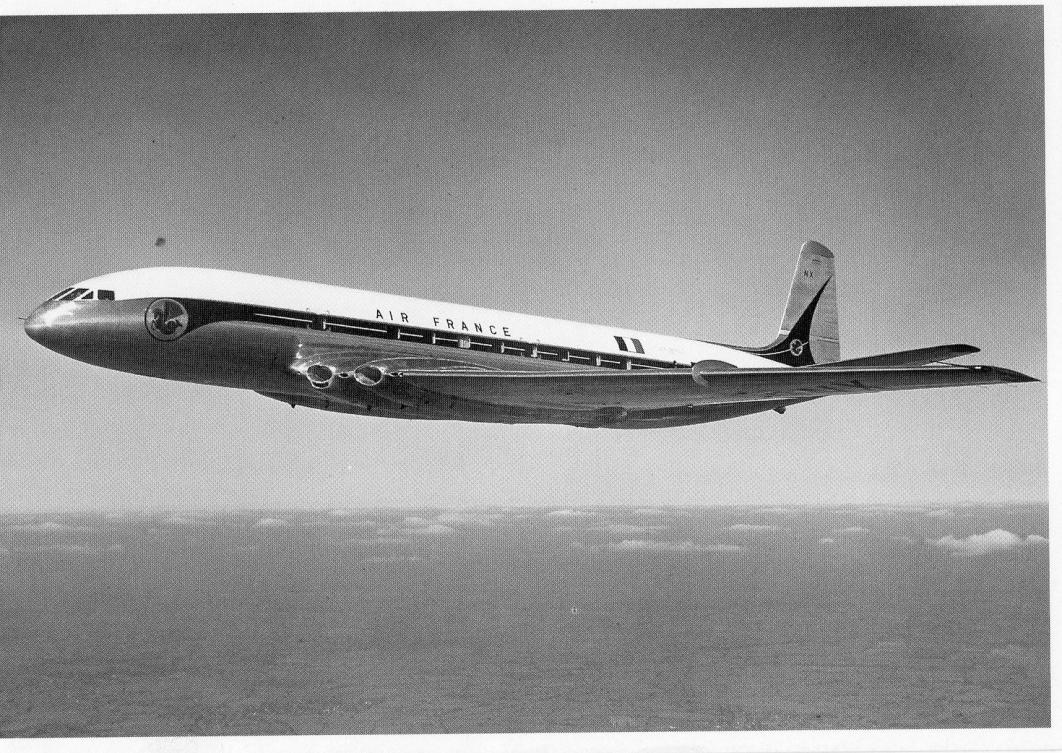
The Douglas DC-3 was the dominant airliner in the late 1940s, and it had a top speed of 180 miles per hour. Britain’s de Havilland company, in an act of incredible audacity, were working on an airliner more than two and half times as fast (480 mph).  This enormous leap was thanks to a hot new technology- the jet engine. However, the vast majority of airlines were not interested. The jet technology of the time offered superior speeds, but at a massive price, in both development, procurement and running costs. The new jet aircraft would be very expensive, so the air carriers looked instead to the DC-7, a super efficient piston-engined aircraft.

In 1949 the world fell in love. The Comet flew on 27 July 1949 and astonished onlookers with both its performance and its angelic, futuristic beauty. It entered commercial service, with BOAC, on 2 May 1952 and proved a triumph. Passengers were enamoured by its quietness and smoothness. Vitally, it was also turning a profit. Fortune magazine declared that “1953 is the year of the Coronation and the Cometâ€.
In 1954, Comets began crashing. An investigation determined the causes and an improved Comet was built. But, by this time, Britain had lost her lead.
Margaret Coogan is an historian specialising in post-war Britain
Follow my vapour trail on Twitter:Â @Hush_kit
Do you have an idea for a Hush-Kit article you would like to write? Are you an editor with pages to fill? Contact: hushkiteditorial@gmail.com

The Fiat G.91 is the Kevin Bacon of European aviation: every military aircraft that followed can be linked to it very easily, normally in one or two degrees of separation. The Sud-Est Baroudeur is no exception to this rule.
Aeroplane designers hate wheels. Wheels are for cars. The weight and complexity of a retractable undercarriage is a huge nuisance. Why not do away with them altogether? The Nazi Germans were very keen on this idea and built a series of aeroplanes that took off from trolleys. The aircraft would uncouple itself from the trolley as it took-off, the trolley remaining behind on the runway. The aeroplane would land on simple skids.

A trolley take-off would free an aeroplane from the need for vast, vulnerable runways. It was far easier to achieve than vertical take-off and landing. And so it was that the Sud-Est SE.5000 Baroudeur (‘adventurer’) took its first flight on 1 August 1953.
It was superb. Trolley take-offs proved effortless, skid landings a delight (even in crosswinds). It could be rapidly rearmed and refuelled, and would have made a superb tactical fighter. A souped-up version was offered for a NATO competition, but lost out to the Fiat G.91.
Michael Fleet is currently researching spatial disorientation
Follow my vapour trail on Twitter:Â @Hush_kit
Do you have an idea for a Hush-Kit article you would like to write? Are you an editor with pages to fill? Contact: hushkiteditorial@gmail.com

| Type | Total | Position | Engine | Service | Wings |
| Supermarine Spitfire | 20351 | 1 | Monoplane | ||
| Hawker Hurricane | 14533 | 2 | Monoplane | ||
| Vickers Wellington | 11454 | 3 | Monoplane | ||
| Avro Anson | 11020 | 4 | Monoplane | ||
| Avro 504 | 8970 | 5 | Biplane | ||
| De Havilland Tiger Moth | 8868 | 6 | Biplane | ||
| Airspeed Oxford | 8586 | 7 | Monoplane | ||
| De Havilland Mosquito | 7781 | 8 | Monoplane | ||
| Avro Lancaster | 7377 | 9 | Monoplane | ||
| Airco DH4 | 6295 | 10 | Biplane | ||
| Handley Page Halifax | 6178 | 11 | Monoplane | ||
| Sopwith 1 1/2 Strutter | 5939 | 12 | Biplane | ||
| Bristol Beaufighter | 5928 | 13 | Monoplane | ||
| Sopwith Camel | 5490 | 14 | Biplane | ||
| Bristol F.2 Fighter | 5329 | 15 | Biplane | ||
| RAF SE5a | 5205 | 16 | Biplane | ||
| Bristol Blenheim | 4422 | 17 | Monoplane | ||
| Airco DH9 | 4091 | 18 | Biplane | ||
| RAF RE8 | 4077 | 19 | Biplane | ||
| Gloster Meteor | 3947 | 20 | jet | Monoplane | |
| RAF BE2 | 3500 | 21 | Biplane | ||
| Hawker Typhoon | 3317 | 22 | Monoplane | ||
| De Havilland Vampire | 3268 | 23 | jet | Monoplane | |
| Miles Master | 3250 | 24 | Monoplane | ||
| Fairey Barracuda | 2607 | 25 | Monoplane | ||
| Fairey Swordfish | 2391 | 26 | Biplane | ||
| Short Stirling | 2383 | 27 | Monoplane | ||
| Supermarine Seafire | 2334 | 28 | Monoplane | ||
| Airco DH6 | 2280 | 29 | Biplane | ||
| Fairey Battle | 2185 | 30 | Monoplane | ||
| Bristol Beaufort | 2129 | 31 | Monoplane | ||
| Sopwith Snipe | 2097 | 32 | Biplane | ||
| Sopwith Dolphin | 2072 | 33 | Biplane | ||
| De Havilland Moth | 2000 | 34 | civil | Biplane | |
| Airco DH9A | 1997 | 35 | Biplane | ||
| Hawker Hunter | 1972 | 36 | jet | Monoplane | |
| RAF FE2 | 1939 | 37 | Biplane | ||
| Armstrong Whitworth Whitley | 1814 | 38 | Monoplane | ||
| Westland Lysander | 1786 | 39 | Monoplane | ||
| Sopwith Pup | 1770 | 40 | Biplane | ||
| Miles Martinet | 1724 | 41 | Monoplane | ||
| Hawker Tempest | 1702 | 42 | Monoplane | ||
| Fairey Firefly | 1702 | 43 | Monoplane | ||
| Armstrong Whitworth FK8 | 1650 | 44 | Biplane | ||
| Taylorcraft Auster | 1630 | 45 | civil/military | Monoplane | |
| De Havilland Venom | 1431 | 46 | jet | Monoplane | |
| Handley Page Hampden | 1430 | 47 | Monoplane | ||
| Miles Magister | 1303 | 48 | Monoplane | ||
| Britten Norman Islander | 1280 | 49 | civil | Monoplane | |
| Percival Proctor | 1143 | 50 | Monoplane | ||
| Boulton Paul Defiant | 1064 | 51 | Monoplane | ||
| Bae 125 | 1000 | 52 | jet | civil/military | Monoplane |
| Hawker Hart | 992 | 53 | Biplane | ||
| Fairey III | 964 | 54 | Biplane | ||
| English Electric Canberra | 949 | 55 | jet | Monoplane | |
| Short 184 | 936 | 56 | Biplane | ||
| HS Hawk | 900 | 57 | jet | Monoplane | |
| Hawker Sea Fury | 860 | 58 | Monoplane | ||
| Vickers Warwick | 842 | 59 | Monoplane | ||
| Fairey Albacore | 800 | 60 | Biplane | ||
| Short Sunderland | 777 | 61 | Monoplane | ||
| Gloster Gladiator | 747 | 62 | Biplane | ||
| Hunting Jet Provost | 741 | 63 | jet | Monoplane | |
| Supermarine Walrus | 740 | 64 | Biplane | ||
| De Havilland Dragon Rapide | 731 | 65 | civil | Biplane | |
| Hawker Audax | 700 | 66 | Biplane | ||
| Hawker 800 | 650 | 67 | civil | Monoplane | |
| Bristol Bolingbroke | 626 | 68 | Monoplane | ||
| Avro Tutor | 606 | 69 | Biplane | ||
| Avro Lincoln | 604 | 70 | Monoplane | ||
| Armstrong Whitworth Albemarle | 602 | 71 | Monoplane | ||
| RAF BE12 | 601 | 72 | Biplane | ||
| Handley Page O | 600 | 73 | Biplane | ||
| Fairey Fulmar | 600 | 74 | Monoplane | ||
| Westland Wapiti | 585 | 75 | Biplane | ||
| Blackburn Botha | 580 | 76 | Monoplane | ||
| Airco DH5 | 552 | 77 | Biplane | ||
| Hawker Sea Hawk | 542 | 78 | jet | Monoplane | |
| De Havilland Dove | 542 | 79 | civil | Monoplane | |
| Hawker Hind | 528 | 80 | Biplane | ||
| Armstrong Whitworth FK3 | 500 | 81 | Biplane | ||
| Sopwith Salamander | 497 | 82 | Biplane | ||
| Armstrong Whitworth Siskin | 485 | 83 | Biplane | ||
| Armstrong Whitworth Atlas | 478 | 84 | Biplane | ||
| Hunting Provost | 461 | 85 | Monoplane | ||
| Airco DH2 | 453 | 86 | Biplane | ||
| Vickers Viscount | 445 | 87 | turboprop | civil | Monoplane |
| Bristol Bulldog | 443 | 88 | Biplane | ||
| Gloster Javelin | 436 | 89 | jet | Monoplane | |
| Auster Autocrat | 420 | 90 | civil | Monoplane | |
| Avro Avian | 405 | 91 | civil | Biplane | |
| Auster AOP.6 | 400 | 92 | Monoplane | ||
| Westland Whirlwind | 400 | 93 | helicopter | Helicopter | |
| Westland Lynx | 400 | 94 | helicopter | Helicopter | |
| Bae 146 | 387 | 95 | jet | civil | Monoplane |
| HS 748 | 380 | 96 | turboprop | civil | Monoplane |
| Bristol Scout | 374 | 97 | Biplane | ||
| Percival Prentice | 370 | 98 | Monoplane | ||
| Folland Gnat | 370 | 99 | jet | Monoplane | |
| Martinsyde Buzzard | 370 | 100 | Biplane | ||
| Westland Wessex | 356 | 101 | helicopter | Helicopter | |
| Fairey Gannet | 348 | 102 | turboprop | Monoplane | |
| English Electric Lightning | 337 | 103 | jet | Monoplane | |
| Scottish Aviation Bulldog | 320 | 104 | Monoplane | ||
| Hawker Demon | 298 | 105 | Biplane | ||
| RAF FE8 | 295 | 106 | Biplane | ||
| Supermarine Sea Otter | 292 | 107 | Biplane | ||
| Sopwith Baby | 286 | 108 | Biplane | ||
| De Havilland Puss Moth | 284 | 109 | civil | Monoplane | |
| Hawker Harrier | 278 | 110 | jet | Monoplane | |
| Hawker Fury | 275 | 111 | Biplane | ||
| Martinsyde Elephant | 271 | 112 | Biplane | ||
| Blackburn Shark | 269 | 113 | Biplane | ||
| Vickers Valetta | 263 | 114 | Monoplane | ||
| Avro York | 259 | 115 | civil/military | Monoplane | |
| Airco DH10 Amiens | 258 | 116 | Biplane | ||
| Slingsby Firefly | 250 | 117 | civil | Monoplane | |
| Gloster Gauntlet | 246 | 118 | Biplane | ||
| BAC 1-11 | 244 | 119 | jet | civil | Monoplane |
| Vickers Vimy | 240 | 120 | Biplane | ||
| Fairey Fox | 240 | 121 | Biplane | ||
| Sopwith Cuckoo | 232 | 122 | Biplane | ||
| RAF RE7 | 230 | 123 | Biplane | ||
| Boulton Paul Balliol | 229 | 124 | turboprop | Monoplane | |
| Vickers ‘Gunbus’ | 224 | 125 | Biplane | ||
| Bristol Freighter | 214 | 126 | civil | Monoplane | |
| Beagle Husky | 211 | 127 | civil | Monoplane | |
| Blackburn Buccaneer | 211 | 128 | jet | Monoplane | |
| Vickers Wildebeeste | 209 | 129 | Biplane | ||
| Avro Manchester | 209 | 130 | Monoplane | ||
| de Havilland Hornet | 209 | 131 | Monoplane | ||
| De Havilland Dragon | 202 | 132 | civil | Biplane | |
| Sopwith Dragon | 200 | 133 | Biplane | ||
| Hawker Henley | 200 | 134 | Monoplane | ||
| Avro Prefect | 198 | 135 | Biplane | ||
| Vickers Vincent | 197 | 136 | Biplane | ||
| Supermarine Swift | 197 | 137 | jet | Monoplane | |
| Fairey Flycatcher | 196 | 138 | Biplane | ||
| Blackburn Firebrand | 193 | 139 | Monoplane | ||
| Blackburn Skua | 192 | 140 | Monoplane | ||
| Fairey Gordon | 186 | 141 | Biplane | ||
| Supermarine Attacker | 185 | 142 | jet | Monoplane | |
| Felixstowe F.3 | 182 | 143 | Biplane | ||
| Fairey Hamble Baby | 180 | 144 | Biplane | ||
| Bristol Sycamore | 180 | 145 | helicopter | Helicopter | |
| Hawker Hector | 179 | 146 | Biplane | ||
| Vickers Wellesley | 177 | 147 | Monoplane | ||
| Beagle Pup | 176 | 148 | civil | Monoplane | |
| Felixstowe F.2 | 175 | 149 | Biplane | ||
| de Havilland Sea Hornet | 174 | 150 | Monoplane | ||
| Westland Wallace | 172 | 151 | Biplane | ||
| Airco DH1 | 170 | 152 | Biplane | ||
| Short 360 | 165 | 153 | turboprop | civil | Monoplane |
| Airspeed Consul | 165 | 154 | civil | Monoplane | |
| de Havilland Hornet Moth | 164 | 155 | civil | Biplane | |
| Vickers Viking | 163 | 156 | civil | Monoplane | |
| Vickers Varsity | 160 | 157 | Monoplane | ||
| Short Tucano | 158 | 158 | turboprop | Monoplane | |
| Parnall Panther | 155 | 159 | Biplane | ||
| De Havilland Fox Moth | 154 | 160 | civil | Biplane | |
| Short Skyvan | 153 | 161 | turboprop | civil | Monoplane |
| Handley Page Hastings | 151 | 162 | Monoplane | ||
| De Havilland Heron | 150 | 163 | civil | Monoplane | |
| Westland Scout | 150 | 164 | helicopter | Helicopter | |
| Avro Rota | 148 | 165 | autogyro | Autogyro | |
| Sopwith Triplane | 147 | 166 | Triplane | ||
| Bristol Brigand | 147 | 167 | Monoplane | ||
| BAC Strikemaster | 146 | 168 | jet | Monoplane | |
| De Havilland Sea Vixen | 145 | 169 | jet | Monoplane | |
| de Havilland Moth Minor | 140 | 170 | civil | Monoplane | |
| Avro Vulcan | 136 | 171 | jet | Monoplane | |
| Sopwith Schneider | 136 | 172 | Biplane | ||
| Blackburn Roc | 136 | 173 | Monoplane | ||
| British Aircraft Swallow | 135 | 174 | civil | Monoplane | |
| Gloster Grebe | 133 | 175 | Biplane | ||
| De Havilland Leopard Moth | 133 | 176 | civil | Monoplane | |
| Westland Dragonfly | 133 | 177 | helicopter | Helicopter | |
| Westland Wasp | 133 | 178 | helicopter | Helicopter | |
| Bristol M.1 | 130 | 179 | Monoplane | ||
| Percival Pembroke | 128 | 180 | Monoplane | ||
| Short 320 | 127 | 181 | Biplane | ||
| Short 330 | 125 | 182 | turboprop | civil | Monoplane |
| Handley Page Heyford | 125 | 183 | Biplane | ||
| Hawker Horsley | 124 | 184 | Biplane | ||
| Vickers Virginia | 124 | 185 | Biplane | ||
| Bristol Buckingham | 119 | 186 | Monoplane | ||
| Blackburn Dart | 118 | 187 | Biplane | ||
| De Havilland Trident | 117 | 188 | jet | civil | Monoplane |
| Westland Whirlwind | 116 | 189 | Monoplane | ||
| De Havilland Comet | 114 | 190 | jet | civil | Monoplane |
| Bristol Buckmaster | 112 | 191 | Monoplane | ||
| Gloster Gamecock | 108 | 192 | Biplane | ||
| Short 827 | 108 | 193 | Biplane | ||
| Vickers Valiant | 107 | 194 | jet | Monoplane | |
| Avro Cadet | 104 | 195 | civil | Biplane | |
| Vickers FB.14 | 100 | 196 | Biplane | ||
| Handley Page Harrow | 100 | 197 | Monoplane | ||
| Blackburn Baffin | 97 | 198 | Biplane | ||
| Blackburn Ripon | 94 | 199 | Biplane | ||
| Miles Messenger | 93 | 200 | civil | Monoplane | |
| Hawker Nimrod | 92 | 201 | Biplane | ||
| Avro Lancastrian | 91 | 202 | civil | Monoplane | |
| Fairey Firefly (biplane) | 91 | 203 | Biplane | ||
| Saro Skeeter | 88 | 204 | helicopter | Helicopter | |
| Handley Page Victor | 86 | 205 | jet | Monoplane | |
| Bristol Britannia | 85 | 206 | turboprop | civil | Monoplane |
| Short Bomber | 83 | 207 | Biplane | ||
| Supermarine Scimitar | 76 | 208 | jet | Monoplane | |
| Armsrong Whitworth Argosy | 74 | 209 | turboprop | civil/military | Monoplane |
| de Havilland Dragonfly | 67 | 210 | civil | Biplane | |
| HS Jetstream | 66 | 211 | turboprop | civil/military | Monoplane |
| Hawker Woodcock | 64 | 212 | Biplane | ||
| Handley Page V/1500 | 63 | 213 | Biplane | ||
| Avro Bison | 55 | 214 | Biplane | ||
| Handley Page Herald | 50 | 215 | turboprop | civil | Monoplane |
| Bristol Bombay | 50 | 216 | Monoplane | ||
| Blackburn Beverley | 49 | 217 | Monoplane | ||
| Blackburn Blackburn | 44 | 218 | Biplane | ||
| Handley Page Hyderabad | 44 | 219 | Biplane | ||
| Handley Page Marathon | 43 | 220 | civil | Monoplane | |
| Avro Tudor | 38 | 221 | civil | Monoplane | |
| de Havilland DH.50 | 38 | 222 | civil | Biplane | |
| Handley Page Hinaidi | 36 | 223 | Biplane | ||
| Avro 548 | 35 | 224 | civil | Biplane | |
| Avro 552 | 33 | 225 | Biplane | ||
| Handley Page Hermes | 29 | 226 | civil | Monoplane | |
| Boulton Paul Overstrand | 28 | 227 | Biplane | ||
| Bristol Belvedere | 26 | 228 | helicopter | Helicopter | |
| Handley Page W | 25 | 229 | civil | Biplane | |
| Airspeed Ambassador | 23 | 230 | civil | Monoplane | |
| Boulton Paul Sidestrand | 20 | 231 | Biplane | ||
Updates:
Miles Gemini: 170
Vickers VC10: 54

Need I say more?
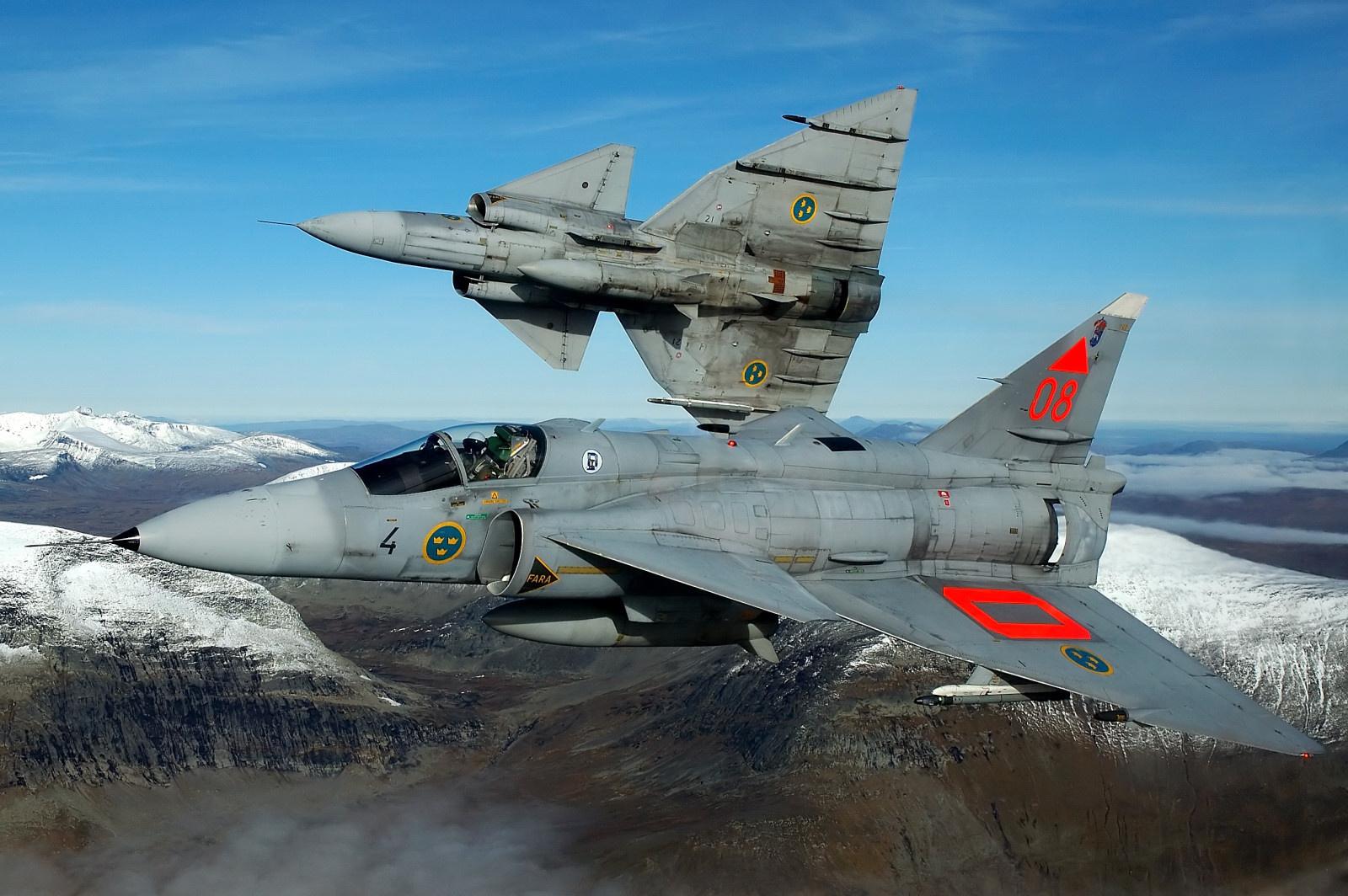
Your friend is running an aviation role-playing game. You need a character and an aircraft, and you don’t want to be British or American because everyone else is.
You remember an airshow, early 1990s, you and your dad gazing at a silver fighter with unusual wings. You say: OK, my pilot is Swedish, his name’s Lars, and he flies a Saab Viggen.
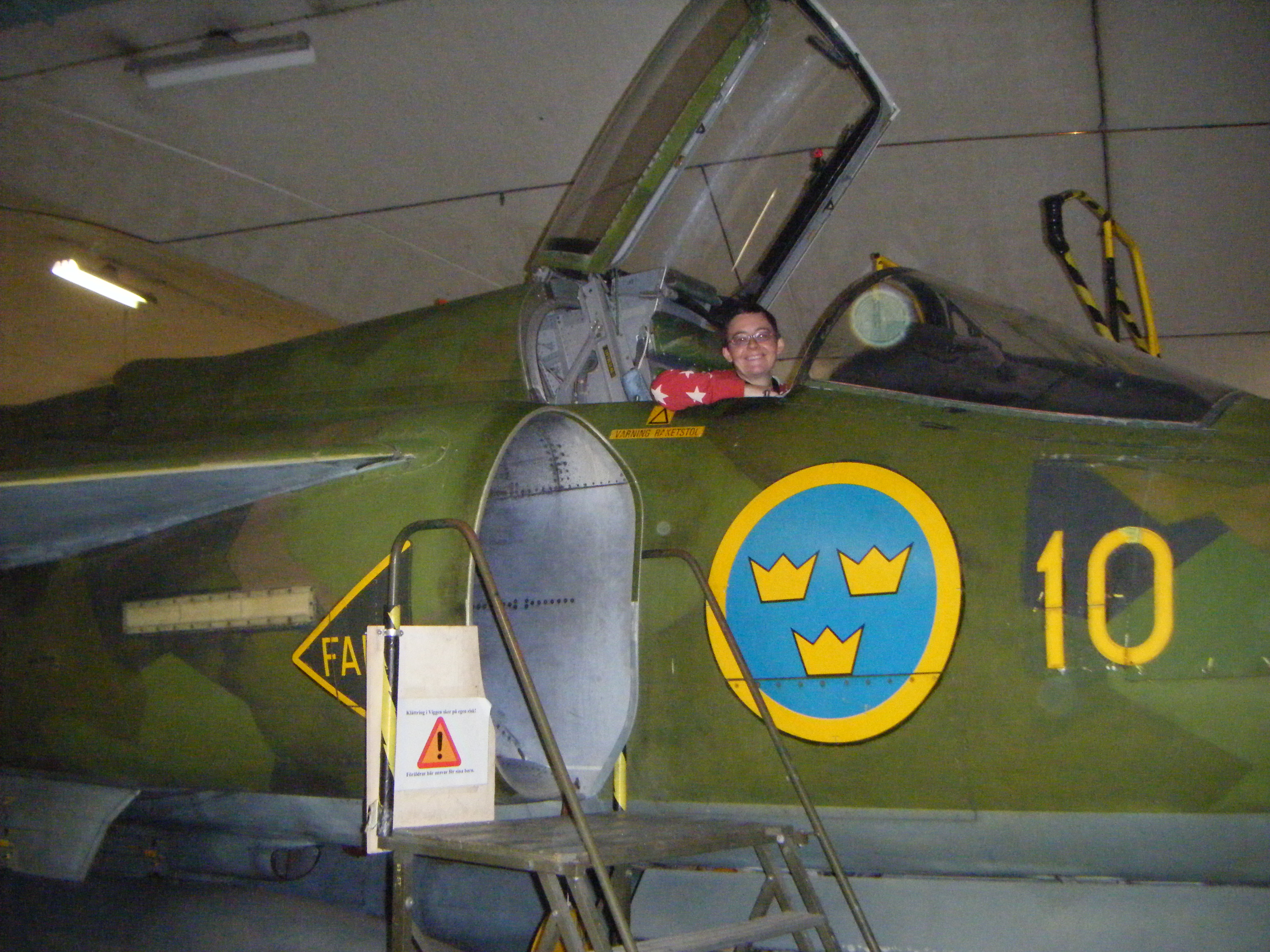
The more you research your chosen plane, the more you’re smitten. It can take off and land on motorways! It’s technically a biplane! You build the 1:144 Revell kit; find the Matchbox model at a boot sale. You visit the Gothenburg Aeroseum and sit in that huge, high cockpit, in a Cold War hangar hacked from solid rock.
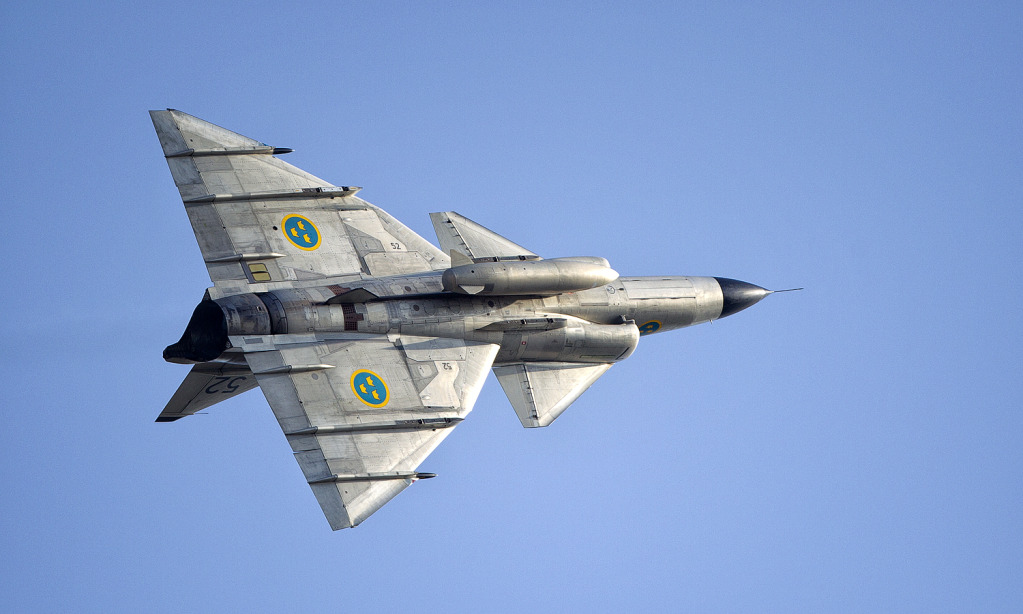
In 2012, the Swedish Air Force Historic Flight restore their Viggen to flying condition and announce a display at Sanicole Airshow in Belgium. On your birthday.
So on a sunny September Sunday you watch that silver fighter rise on the lift from its delta wing and canard foreplane, showing off its unique silhouette for you just like twenty years ago, and you learn that this particular Viggen was actually made in the year of your birth.
It’s your birthday Viggen.
 Alice Dryden [http://www.alice.dryden.co.uk] appreciates well-built Scandinavians.
If you like Swedish aircraft, you’ll love this
Follow my vapour trail on Twitter:Â @Hush_kit
Do you have an idea for a Hush-Kit article you would like to write? Are you an editor with pages to fill? Contact: hushkiteditorial@gmail.com