Animals have been a part of military organisations for about as long as human history. Horses revolutionized combat. Carrier pigeons provided a cheap and effective way to communicate during combat. Bomb-sniffing dogs continue to save lives. There are a few instances of attack animals, such as Hannibal’s use of war elephants and police attack dogs, but fortunately for the critters of the world, technology has progressed to a point that attack animals are essentially unnecessary.
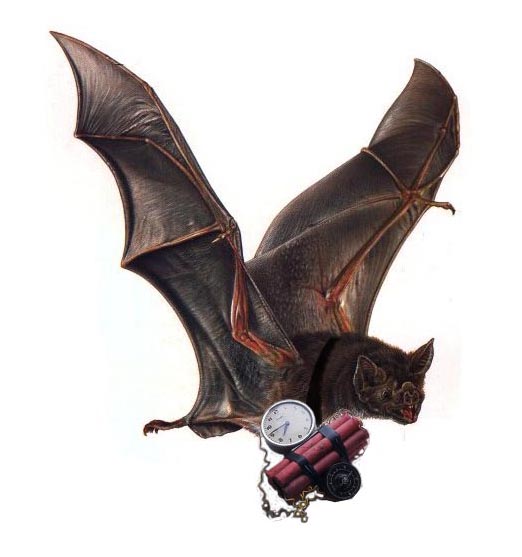
But did you know that the US military poured money into an actual ‘bat bomb’? Not bombs shaped like a bat, or a bomb that just had “bat†as part of a secret code name — actual bats carrying around incendiary devices. As bizarre as it may sound, it’s true. Not only was this top secret weapon on the verge of being deployed in combat, but initial testing suggested that the bat bomb would have been one of the most destructive weapons in the US military’s arsenal.
My dentist is always busy.
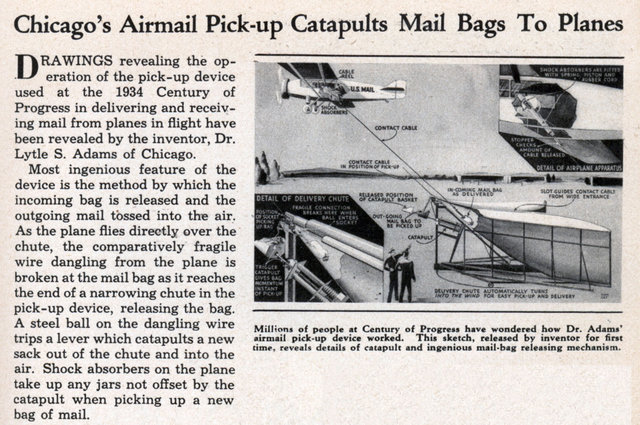
Shortly after Japan bombed Pearl Harbor, the military was inundated with ideas for new, ingenious, and often quirky weapon ideas. One such idea came from Dr. Lytle S. Adams, a dentist and inventor. Adams happened to be friends with First Lady Eleanor Roosevelt, which allowed him to submit a proposal to President Roosevelt.
“Thanks, our reputation for being dark and evil has been helped no end.”
His idea was to attach incendiary devices to bats and drop them over Japan to create a widely effective firebomb. Four facts made this a tempting idea:
1. Bats can be induced to hibernate, which makes them easy to transport.
2. Millions upon millions of bats can be found in caves across the US, which means that they would be cheap to acquire.
3. Bats seek out dark areas during daylight, so there is a good chance that they would roost in the attics and cubbyholes of buildings.
4. Bats can carry several of their young at a time, so they can probably carry a bomb.
The project received funding, amazingly, and the US military set about experimenting with ways to equip bats with incendiary devices. After a few bungled prototypes, they eventually developed a napalm device that weighed less than an ounce and operated on a 30 minute timer.
The bat bomb- the perfect weapon for biblical apocalypses.
Testing the bomb proved to be incredibly effective — even moreso than anybody had ever predicted. Several bats escaped from captivity at the Carlsbrad auxiliary airfield, and within a few minutes the entire base was up in flames. The military later performed another test in a mock Japanese village; the fake town was completely obliterated. The military wrote, “It is concluded that the bat bomb is an effective weapon.â€
“Several bats escaped from captivity at the Carlsbrad auxiliary airfield, and within a few minutes the entire base was up in flames.”
At that point, the only tricky part was figuring out how to deploy the bats. Bats cannot be dropped out of a plane like bombs, because they would simply crash into the ground. That’s where the bat bomb came in. The military created a bomb-shaped device that held hundreds of bats in stacked layers. The bomb would release a parachute after it was deployed and then open its stacks to give the bats a chance to wake up and take to the skies.
Unfortunately for the bat bomb project, another famous program, the Manhattan Project, had secretly rendered the bat bomb obsolete. Everything that the bat bomb could do, Fat Man and Little Boy could do a thousand times better. The nuclear era had just begun, and the age of the bat bomb was over before it even got started.
 Just as the Messerschmitt Bf 109 was derived from the civil Bf 108 Taifun so the Spitfire was derived from the four seat cabin monoplane Supermarine Typhoon. First flown in 1935 the Gypsy Major powered Typhoon achieved a remarkable performance due to its fine aerodynamics. The sole example was written off barely two months after the first flight when chief test pilot ‘Mutt’ Summers forgot to lower the undercarriage on landing. The projected high price and complicated construction coupled with Supermarine’s increasing preoccupation with Spitfire development doomed the project and the attractive Typhoon was destined to remain an intriguing example of what might have been had war clouds not threatened.
In his fascinating interview with Hush-Kit in May 2012, supercar designer Peter Stevens theorised on the often close relationship between aircraft and automobile design: “In aircraft terms all cars can be described as being reliant on ‘low speed aerodynamics’, but the actual shapes are often taken from very high speed aircraftâ€.
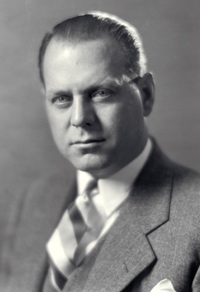
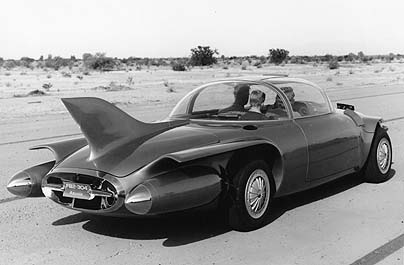
One of the most blatant examples of this idea at work was American car designer Harley Earl’s astonishing Firebird series of concept cars for General Motors (GM) during the 1950s. Powered by gas-turbine engines developed by Emmett Conklin and bristling with fins, bubble canopies and other aeronautically-inspired refinements, the Firebirds represented the high-point of America’s obsession with the jet age.
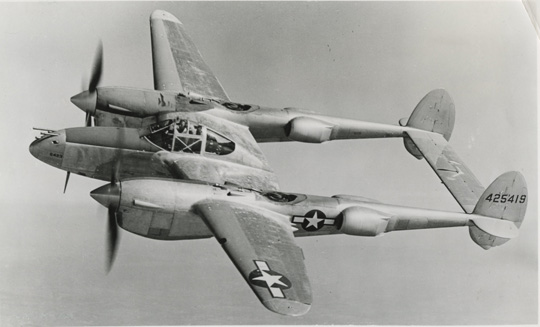
My other car is a P-38 Lightning!
Earl was no stranger to using aircraft as inspiration — his Le Sabre concept car of 1951 was, as the name suggests, directly influenced by North American’s F-86 Sabre jet fighter, then fighting it out with Soviet MiGs over Korea. He had also long admired the unorthodox twin-boom layout of Lockheed’s World War Two-vintage P-38 Lightning, reflected in the designer’s fishtail fenders for later GM products. Earl was fascinated by the impression of speed that aircraft imparted, fighter aircraft in particular adhering to his concept of cars looking long and low, alert, ready to pounce.
“You ready Robin?” “Yes Batman” “Stick on some ragga and get the afterburner lit- we’re off to Nandos!”
Having introduced sharply-swept fins and wraparound windshields, both a prevalent part of contemporary fighter design, on the Le Sabre, Earl felt compelled to push further into the realms of the fantastic, often making almost impossible demands on his long-suffering technical team in the interests of pushing the envelope of American automobile design.
King of cool, Earl Harley
Reportedly, Earl was aboard an airliner during one of his frequent trips across the USA in the early 1950s when he read a short article in an in-flight magazine on the futuristic Douglas A4D Skyray, which made its first flight in January 1951. Earl was fascinated by the new Navy fighter and stared at the photographs in the article for more than an hour. Remarking that it was “a striking shipâ€, he tore the page from the magazine and put it in his inside pocket before settling into deep thought. When his travelling companion asked whether he was thinking of next year’s model and what it might be, Earl paused for a moment before slapping his breast pocket and saying “I have it right hereâ€. Earl later recalled: “I was only answering the banter in kind. Then bingo, I decided I had kidded myself into somethingâ€.
“A striking ship”- The Douglas F4D Skyray
Design and construction of the first Firebird began in 1953, the idea being to create a complete rolling laboratory in which state-of-the-art technology could be tested in real road conditions. It was also a clear opportunity for GM to showcase the extremes in technology and design that it was capable of. Given the company designation XP-21, the single-seat Firebird I was the first American car to be powered by a gas turbine engine, in the form of the 370 h.p. Whirlfire GT-302. Arguably the single most impractical car ever devised, the Firebird I comprised a bullet-shaped fibreglass fuselage with a single fin and short rounded delta “wings†(as on the Skyray), the driver being accommodated in a fighter-style cockpit with a bubble canopy. Flaps were also incorporated for braking purposes — another lift from aeronautical design. The car was driven by Conklin and racing driver Mauri Rose and found to be largely satisfactory, despite issues with noise, exhaust overheating and, unsurprisingly, extremely high fuel consumption.
Earl’s second Firebird, designated XP-43, was intended to parlay the lessons learned with the Firebird I into a more practical four-seat family car. With its distinctive double air intakes at the front, high bubble canopy and fin, the Firebird II was intended to be a component of GM’s “Safety Autoway of Tomorrowâ€, a rapid transit system which would take advantage of an “electronic brain†in the car, which received signals from a metallic conductor buried in the road, the magnetic device creating a form of autopilot for cars. The boffins at GM worked hard to get the system working and eventually conducted successful tests of what the company dubbed the “dream highwayâ€. The Firebird II was the first car to have its entire exterior bodywork constructed from titanium, then being used in the construction of the USA’s state-of-the-art fighters such as the McDonnell F-101 Voodoo and Lockheed’s F-104 Starfighter — another of Earl’s appropriations of contemporary aeronautical techniques.
The Republic F-105 Thunderchief. 1950s US design wasn’t good at ‘subtle’.
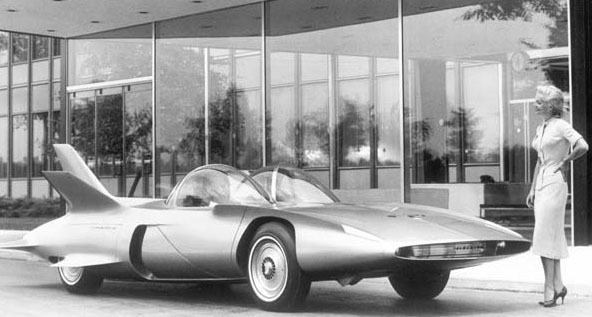
If the Firebird II reflected fighter aircraft design in the mid-1950s, the last — and most extravagant — of the Firebirds anticipated the cutting edge of the next generation of American warplanes, typified by Republic’s super-sleek F-105 Thunderchief, which entered US Air Force service in mid-1958. While GM’s engineers were perfecting the “electronic chauffeurâ€, Earl and his team were going for broke with a design that incorporated no fewer than seven wings and fins protruding from a science-fictionesque wedge-shaped main body.
Build it, damn you!
Promotional material of the time dispensed with any pretence of subtlety and announced that the new Firebird would be “an entirely different kind of car, in which a person may drive to the launching site of a rocket to the moonâ€, the aeronautical terminology being supercharged to include the rapidly escalating space race. The new car, which incorporated double bubble canopies, cruise control and air-conditioning, was to be fitted with an extension of the Firebird II’s “ping-pong ball†control system, known as Unicontrol, in which steering, acceleration and braking would be performed by means of a single control stick, again echoing fighter cockpit design.
The initial tests of all three Firebirds were referred to as “first flightsâ€, that of the Firebird III taking place at GM’s Desert Proving Ground in Phoenix, Arizona, in August 1958, the machine subsequently undergoing extensive trials in a windtunnel, as used for testing aircraft.
The Firebird III, one bad motherfucker.
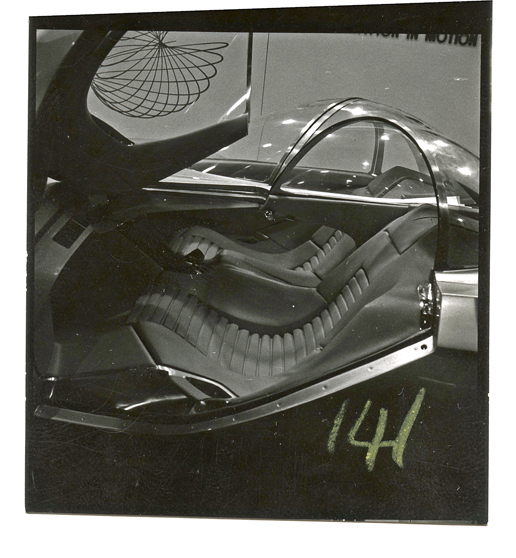
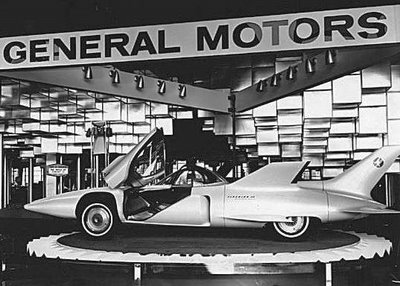
Publicly unveiled at GM’s 1959 Motorama show in New York City and Boston (actually held in October 1958), the Firebird III was a hit; the two-seat rocket-ship of the road fired the imaginations of the young and old alike. As on the Firebird II, Earl had sought to exploit aerodynamic braking in the form of air brakes, which emerged from flat panels in the Firebird III’s main body. The 225 h.p. Whirlfire GT-305 engine provided propulsion power only, a separate 10 h.p. two-cylinder powerplant being installed to drive the electrical and hydraulic accessories.
The Firebird III was not just a hit at the car shows; in April 1959 it was exhibited at the World Congress of Flight in Las Vegas, its space-age looks fitting right in with the highly advanced military hardware on view at nearby Nellis AFB.
GM Modified!
The Firebirds were never seriously intended to be put into production, however earnest the brochures of the time were in suggesting otherwise, and although a Firebird IV ground-effect machine was built in mock-up form, GM decided that the III was the end of the line for the ambitious space-age Firebirds. The name, however, lived on in a series of Pontiac “ponycars†from 1967.
All three Firebirds still survive and have been acquired by GM, which aims to restore them to roadworthy status and possibly tour them at some stage. Happily, car designers are still very much taking cues from aeronautical developments, as Peter Stevens explained in his Hush-Kit interview: “I do think that designers are looking at things like the F-117 stealth fighter for inspiration; the Lamborghini Aventador is a good example of this trendâ€. Long may it continue.
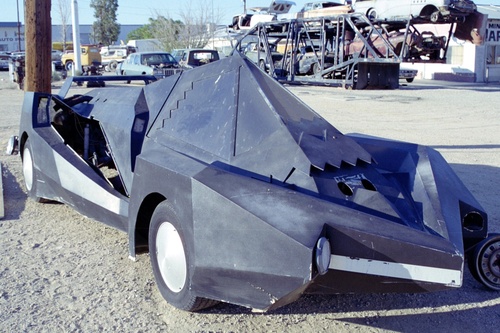
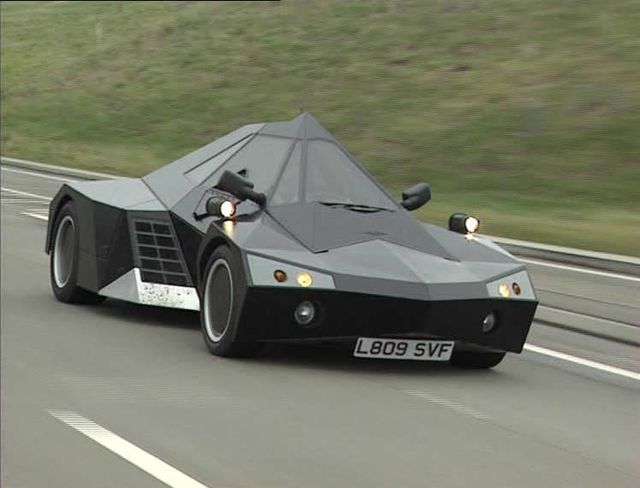
This Stealth Car can seen in Pearsonville, California. My guess is that it escaped from China Lake.1993 custom car designed to defeat police speed radars. Designed by Jim Router (formerly of Lotus and Mclaren). Not in any way mental.
For a fresh look at aircraft camouflage schemes, Hush-Kit got in touch with colour expert and accessories designer Fred Butler. Famed for her love and understanding of the relationships between intense colours, her accessories have been worn by the great and the good, including Lady Gaga.
Fred will be accompanied on her mission by Thomas Newdick. Thomas has almost twenty years of experience in aviation journalism and is one of the UK’s leading experts on Soviet & Russian aircraft. Today, he is the Assistant Editor of Combat Aircraft Monthly.
Thomas Newdick- the Jacques Brel of aviation journalism.
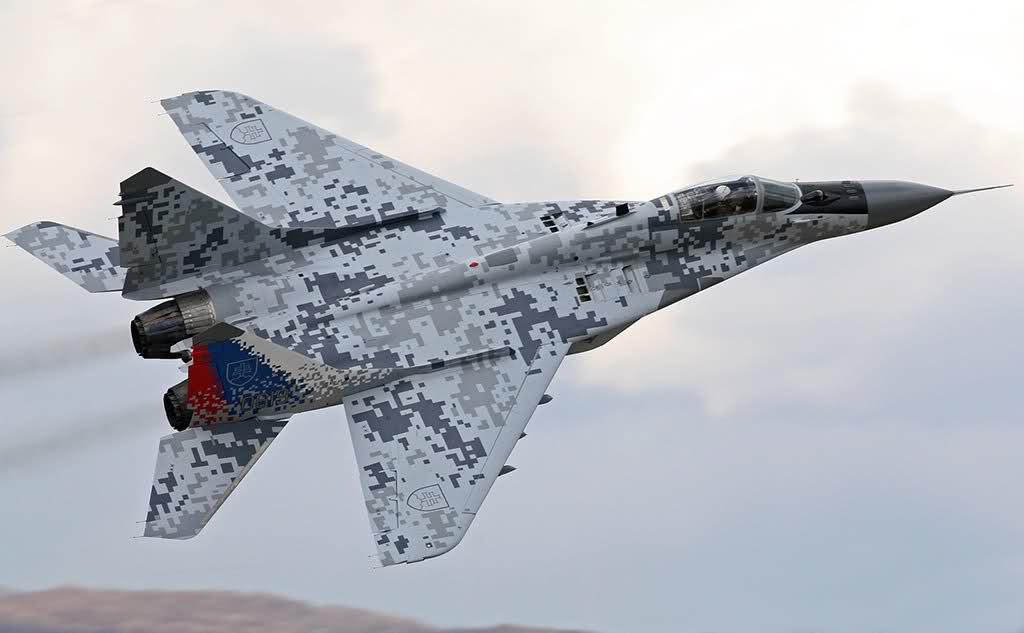
Though the Slovakian air force only have ten MiG-29As, they receive plenty of media exposure due to their natty digital schemes.
Who’s afraid of a digital Wolfe? Certainly not Preen, with this radical new take on lace.
Fred says: “Preen’s digitised geometric square pastel prints came from an extreme close-up of a vase of peonies and lace in reference to looking at Virginia Wolfe and her lifestyle with the Bloomsbury set: ‘We loved various aspects from that period but felt to replicate them would be too retro, so we tried to take it to a new level by computerising everything. We took the lace from that period and digitised it so it became very geometric and black and white, almost to the point where it didn’t feel like lace any more.’ “
Thomas says: “Part of a recent trend for digital camouflage patterns that also extends to uniforms and land systems, the Slovakian scheme was once intended to adorn the entire fleet of these Soviet-built fighters. Known as Cloudcam, it was applied two single-seat MiG-29s (serials 0619 and 0921) as part of their part of the modernisation in 2008. The scheme was devised by HyperStealth Biotechnology Corp. of Canada. This scheme is a follow-on to the company’s Digital Thunder scheme previously painted on serial 0921. The use of Blue, Medium Gray and Light Blue Gray is intended to conceal the aircraft against the ground, sea, overcast and blue sky.”
Save the Hush-Kit blog. This site is in peril, we are still far behind our funding targets. Our site is absolutely free and we have no advertisements. If you’ve enjoyed an article you can donate here.
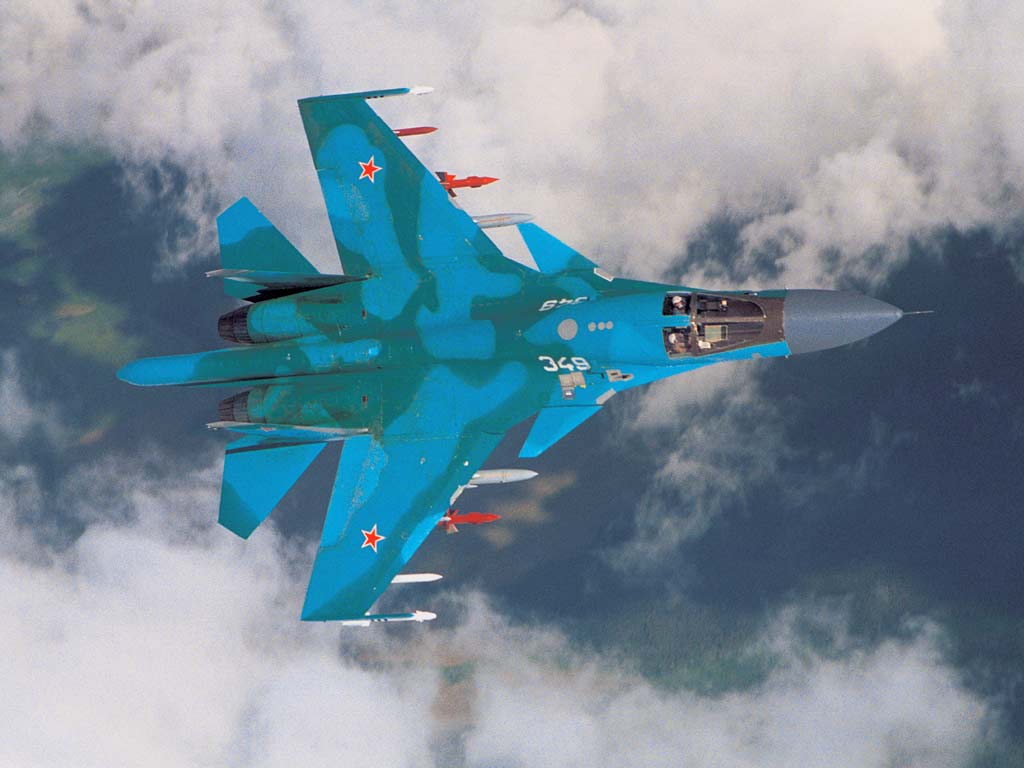
2. Prototype Sukhoi Su-32FN with bright ‘pop’ colour camo twinned with the Dior bag with camo print by Berlin artist Anselm Reyle.
The Su-32FN is a maritime strike aircraft with a very long range. The long endurance of the type necessitates the inclusion of toilets and a cooking galley. The camouflage scheme features gaudy clashing colours.
Anselm Reyle used high-intensity ‘camo’ styling for his Dior bag.
The shoe model that leapt from a Su-32 was found buried three feet deep near Murmansk. She said she was delighted by the Su-32 flight, but fancied ‘a quick dive’.
Fred says: “The Parisian House gave free reign to Berlin fine artist Anselm Reyle to shake up the codes of Couture, with his signature style inspired by the agitprop of eighties punk graphics. His prints for accessories reworked camo in bright, saturated hues & fluorescent colour ways. or as he puts it ‘I am interested in irritating the viewer’s eye’. “
Thomas says: “The three-tone camouflage scheme worn by this prototype Su-32FN maritime strike aircraft was likely intended to provide the aircraft with improved concealment over water, or at least in a littoral environment. The pattern is classic ‘Flanker’, but differs in its use of a deeper shade of blue and a blue-green color. Interestingly, the first Su-34s delivered to the Russian Air Force retained a very similar (if not the same) scheme, although this now seems to have given way to an unusual dark grey over pale blue scheme, presumably better adapted for use over land, or perhaps more suited to nocturnal operations.”
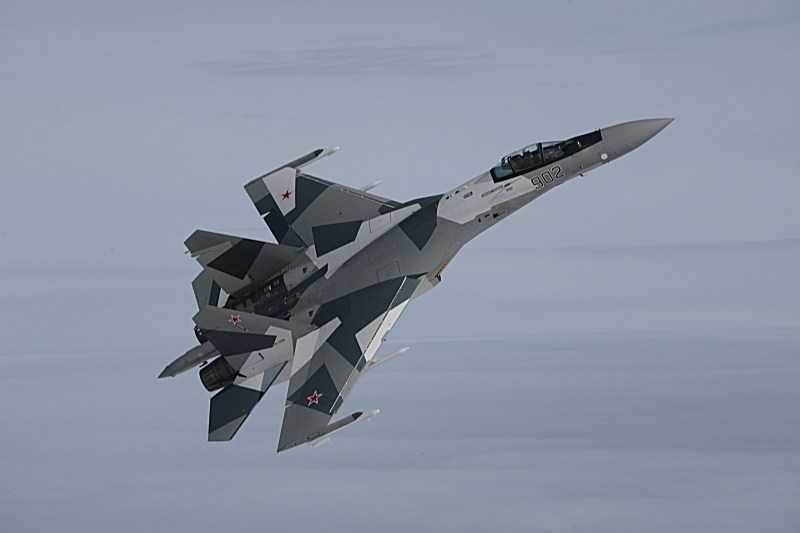
3. Sukhoi Su-35BM in splinter camouflage twinned with PRINGLE S/S 2012 designed by Alistair Carr
The Su-35BM fighter in a ‘splinter’ scheme of greys and white. Aircraft manufacturers are acutely aware of the aesthetic and connotative power of camouflage schemes. Company demonstration aircraft and prototypes often wear ‘attention-seeking’ schemes.
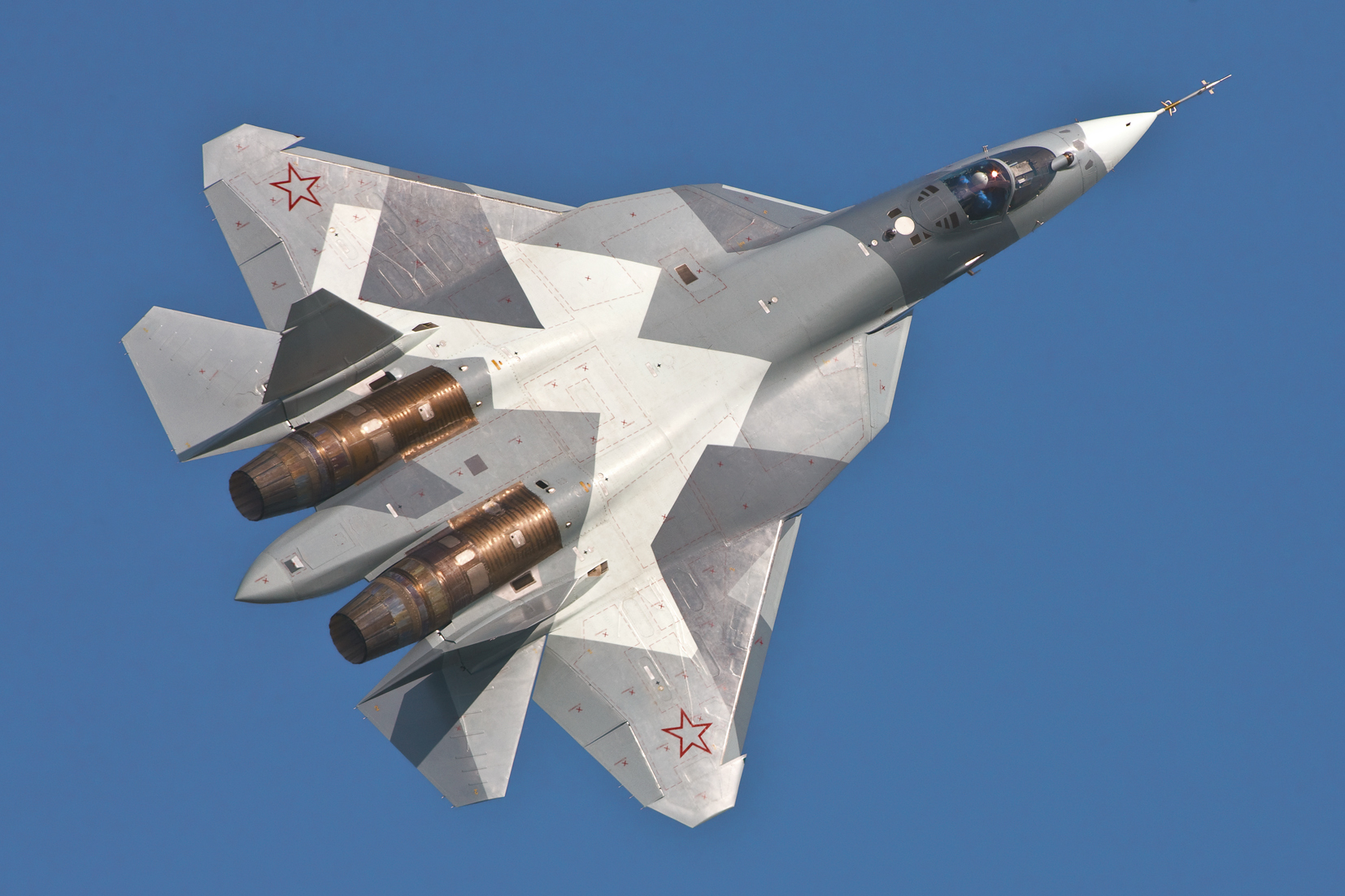
The most advanced Russian fighters, the fearsome PAK FA T-50 prototypes, are painted in a very similar scheme to the Su-35BM.
Geometric design knitted in the PRINGLE S/S 2012 designed by Alistair Carr. The design incorporates intarsia, a knitting technique used to create multicolour patterns.
Fred says: “Geometric design knitted in the PRINGLE S/S 2012 designed by Alistair Carr; Carr’s first collection designing for the British heritage brand updated their traditional argyle and jacquard patterns, playing on the function of knit as a brilliant tool for colour, texture, and pattern. The opening look of the show was this gray crewneck sweater with multi-coloured intarsia bands based on the patterned upholstery of London Underground tube seating.”
Thomas says: “For some time now, Sukhoi has been applying splinter camouflage schemes as an alternative to the more traditional patterns. In particular, they have been associated with advanced single-seat Su-35 fighters (including the latest Su-35BM model, as seen here). As well as two-tone blue/grey air defence schemes and a sand/brown/green ‘desert’ pattern, the latest offering is this, employing three shades of grey, and with the pattern extending to the undersides of the aircraft. Although it has yet to appear on in-service aircraft, this latest scheme has already been aped by the US Navy Aggressors of VFC-12 ‘Fighting Omars’ (adapted to the F/A-18). A similar (albeit somewhat less complex) scheme has also been used for Sukhoi’s next-generation T-50 fighter project. Up to now, however, the Russian Air Force has proven resistant to adopting the splinter scheme, with refurbished ‘Flankers’ instead receiving new variations on the traditional ‘wavy’ scheme.”
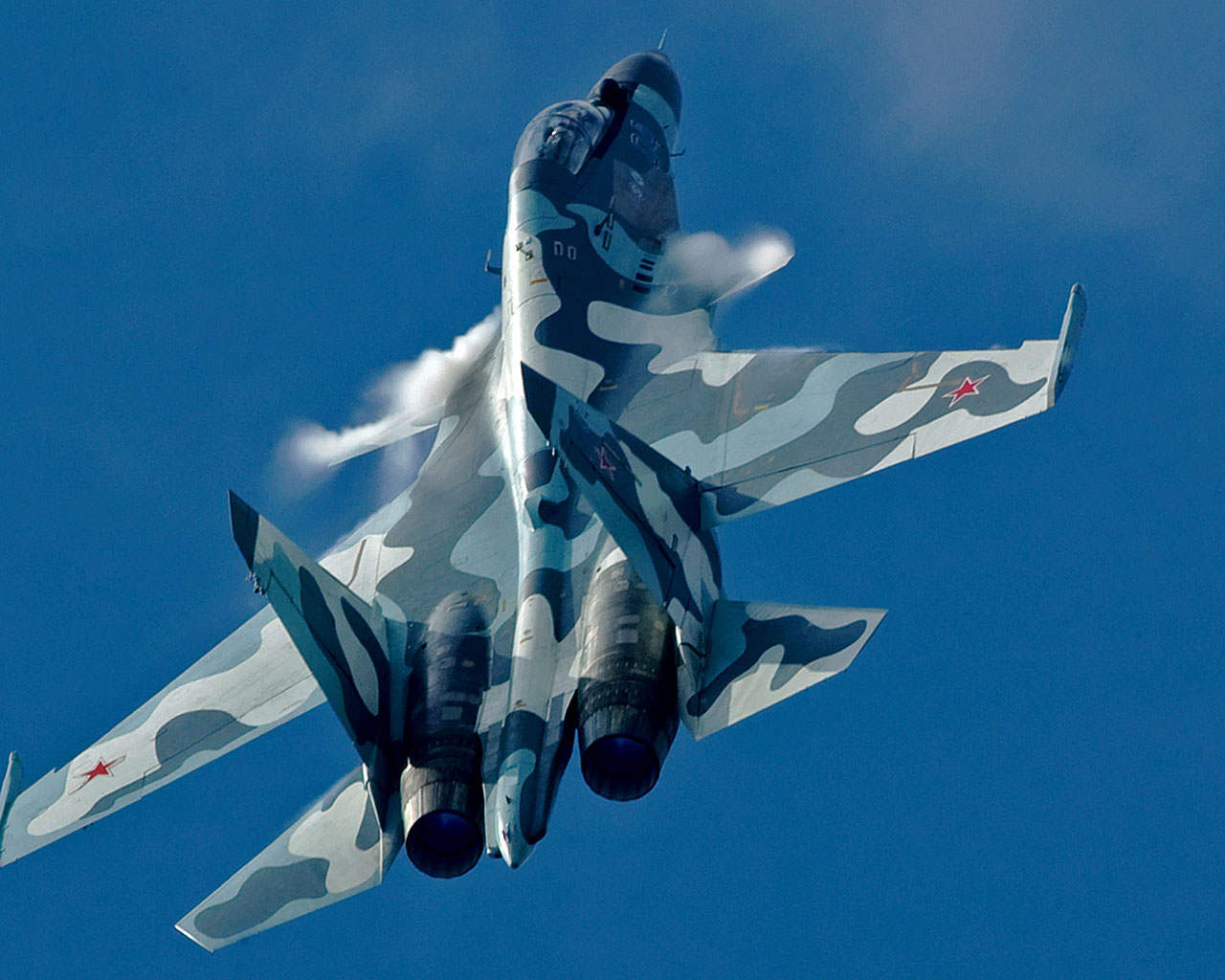
4. Sukhoi Su-30MKM twinned with Aqua colour camo print like Tommy Hilfiger S/S 2012
Malaysian daze! The Su-30MKM prototype in its distinctive wiggly scheme. Sadly, Royal Malaysian Air Force Su-30MKMs are far more drab.
The men behind the scenes of Hush-kit rocking a hoodie and shorts combo. The look is set to be all the rage at Farnborough 2012.
Fred says: “Hilfiger’s collections are always preppy, but this season he made preppy more modern, inspired by contemporary art. He chose the artists he collects himself and focused on Andy Warhol and Basquiat for this Warholesque camo print. He applied the pattern onto jackets and shorts in a red/purple/pink mix and a cropped jacket and sweater in blues and blacks seen here.”
Thomas says: “Classic camo print like Kenzo S/S 2010. Similar to the scheme above in terms of palette, this pattern substitutes a complex wavy pattern for the splinter scheme. Interestingly, the aircraft in question is a prototype Su-30MKM (previously a prototype Su-30MKI), a type developed for use by Malaysia (and India, in the case of the MKI). However, the Royal Malaysian Air Force operates the aircraft in a subdued overall dark grey scheme, while India also uses an overall grey scheme, although somewhat lighter. Clearly, the three-tone scheme is more eye-catching and therefore better suited for marketing purposes and air displays.”
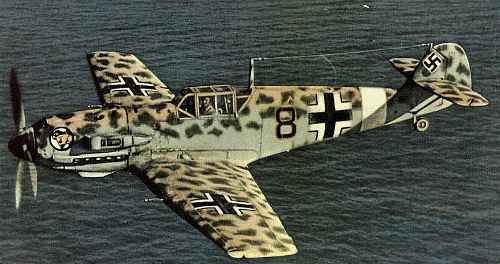
5. Messerschmitt Bf 109E-7/Trop twinned with Givenchy S/S 2011 jacket.
Givenchy Autumn 2007 couture pumps, perfect for dogfighting over Africa.
At this point, Hush-Kit wheeled in another expert, Ed Ward. Ed is an aviation illustrator and has studied the history of aircraft for over twenty-five years. He has given up smoking and plays the ukulele.
Ed Ward and Fiona Banner’s Sea Harrier both look down on you.
Ed says: “Any study of warplane camouflage is likely to feature the aircraft of the Luftwaffe’s Jagdgeschwader 27 in the Western Desert. Flown by Franz Elles, this Messerschmitt Bf 109E-7/Trop of 8./JG 27 was active in North Africa in the summer of 1941. Naturally, flying over the Mediterranean makes a mockery of this ingenious camouflage pattern, consisting of RLM 79 Sandgelb over RLM 78 Lichtblau, with patches of RLM 80 Olivgrün. The result provided a near-perfect match to the desert scrub encountered in North Africa.”
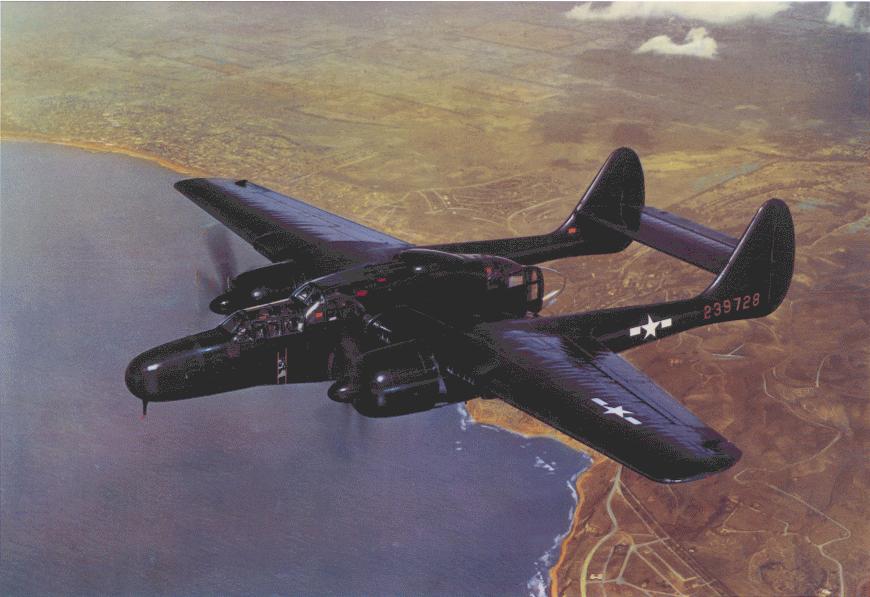
6. Northrop P-61 Black Widow twinned with Black patent sheen with spherical form like Giles PacMan Headwearby Stephen Jones from S/S 2009
The Northrop P-61 Black Widow was as mean it looked.
Tits and a space helmet- a winning combo.
Fred says: “Black patent sheen with spherical form like Giles Pac-Man Headwear from S/S 2009. To accessorise this 80’s theme collection Giles worked with milliner Stephen Jones on enormous Pac-Man metal helmets to complete a sci-fi sadomasochism scheme.
‘I was just looking at the graphic designers of the late eighties and early nineties who I grew up admiring: Ben Kelly, Peter Saville, Mark Farrow. Pet Shop Boys videos, The Hacienda club. What they did was ridiculously simple but incredibly graphic.’ Pac-Man dates from the same era”
Ed says: “A gloss finish replaced the matt black paint originally applied to the Northrop P-61 after it was discovered that gloss black rendered the aircraft less visible in a searchlight beam.”
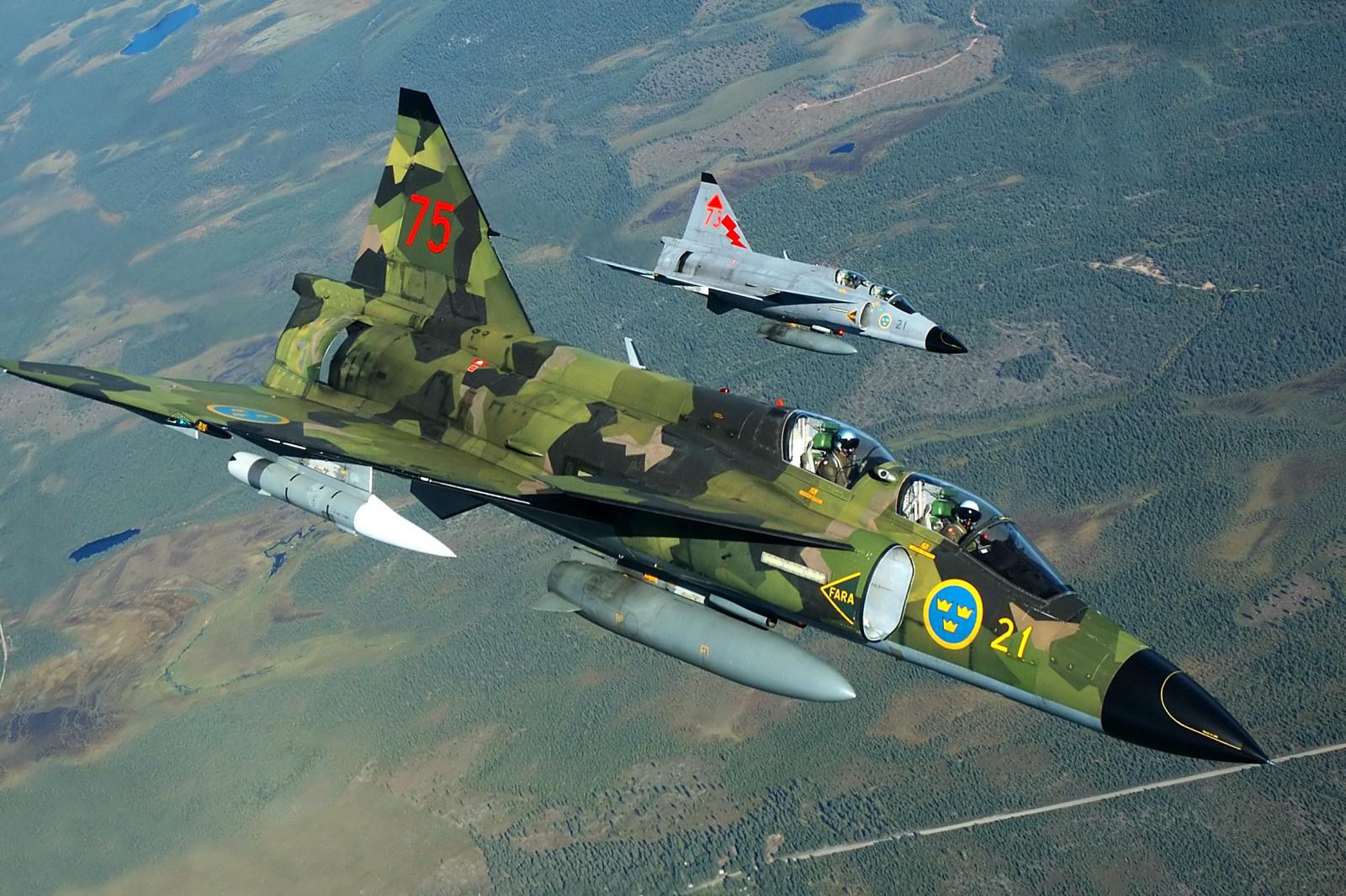
8. The SK-37 Viggen is twinned with Pattern like Jeremy Scott x Adidas Originals A/W 2011 camouflage sneakers………. with wings!
The Viggen first flew in 1967, the year Sgt. Pepper came out. The lovely camo scheme worn by the near aircraft is sometimes known as ‘Fields and meadows’.
Adidas Wings Camo Shoes by Jeremy Scott. Roman courier Mercury, the god of commerce and thieves, wore winged sandals.
Fred says: “These military-inspired high top basketball JS Wings sneakers for the Adidas Originals by Original line, have dark woodland camo print and lined inside with a “Aviation†orange inner. He has added to his signature wing motif with the finishing touch of a dog tag including all his own essential information and even his blood type B+ !”
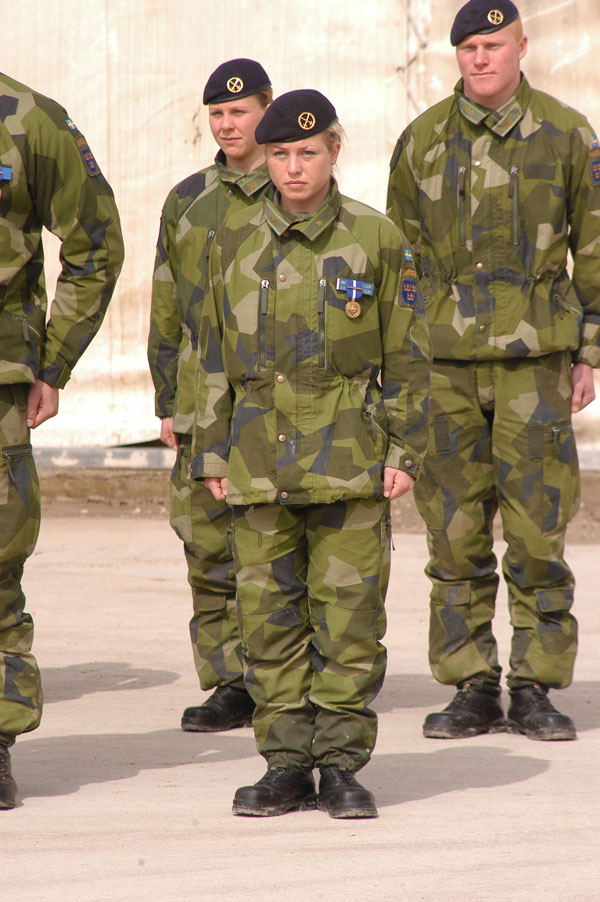
Ed says: “The splinter scheme applied to the Saab Viggen is a remarkable instance of camouflage standardisation. It had been used since the mid 1970s for aircraft, vehicles and ships. In scaled-down form the same pattern is used for Swedish field uniforms.”
A bridge between aircraft camouflage and fashion. Swedish soldiers wearing a scheme essentially similar, but obviously scaled-down, to that worn by their nation’s aircraft. Today, Swedish aircraft, like those of most other air forces, are painted grey.
As we have seen, fashion is quick to jump on the stylings of the military’s disruptive camouflage patterns. Today, the latest digital schemes are echoed in the work of many fashion designers. Sadly, it appears that the golden era of aircraft camouflage, with bold contrasting colours may be over. But, as the fighters of the world become a washed-out tribute to the colour grey, with low-visibility markings, the fashion world is far from finished with what was described in the 1910’s as ‘the razzle-dazzle of camouflage’.
Thank you for reading Hush-Kit. Our site is absolutely free and we have no advertisements. If you’ve enjoyed an article you can donate here. At the moment our contributors do not receive any payment but we’re hoping to reward them for their fascinating stories in the future.
“Our times may not understand the work you’ve now completedâ€
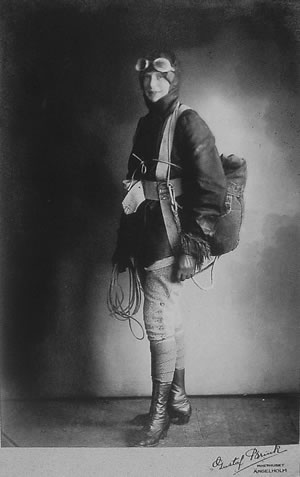
This line was spoken at the funeral of Elsa Andersson, who died at the age of twenty five. These words share something of the enigmatic quality that Elsa had, both in life and in death. Her gravestone read ‘First and only female aviator in Scandinavia’.
A slender boy-girl Icarus, a Puck, an adventuress; a fatalist, a yearning, a sign of modernity…one can easily get lost in the mythology.  To find the real girl I had to peel away all these veils, added by writers, artists and gender theorists. Here I will add my own sketch of her- as a young woman fascinated by technology, an adrenalin junkie and a true artist, proud and dedicated to her craft.
On a cold January day in 1922, 4000 people gathered to watch an aerial show. This was a popular family entertainment, where all ages and social classes mixed. Picnic baskets were packed and Sunday best put on; it was an event to see and be seen at. It was a spectacular show, demonstrating the success of man in conquering the sky.
A yellow Albatros sails up to 2000 feet, a small figure climbs out onto the lower port wing and waves to the crowds below.
This is the highlight of the show, the famous girl who jumps.
Here she goes head first.
I know something about the capturing horizon of Skane, South Sweden. Like Elsa, I too grew up in this topsy-turvy medley of yellow fields, hills and a sky constantly changing like the sea. There’s a struggle between ground and heaven here. I know something about the longing it can instil in an impressionable child.
Growing up on a farm as the eldest child, Elsa became motherless at the age of six. She grew very close to her dad and his work with the land. It is a time where new technology is revolutionising the farming industry. From an early age Elsa studies the new equipment and techniques that her progressive father invests in. He takes her shooting with the boys and she develops a taste for physical activity, innovation and adventures, preferably all together.
She learns how to drive, and must have cut the image of a pioneering flapper girl in her car, sailing through the Swedish landscape as a teenage girl…
Her brother is smitten by the America bug and leaves for an adventure overseas. Elsa too dreams of America, but when she is 16 her life changes course. She is taken to an aerial exhibition created by Enoch Thulin.
Thulin was an early pioneer of flying in Sweden. He owned the Thulin Aeroplane Factory which was not too far from Elsa’s childhood home. This was a visit that seemed to distil Elsa’s passions.  Like a 1970s touring groupie, she chased Swedish air shows around the country, hungry for the thrill that aviation gave her.
It seems almost morbid that families would gather to watch such dangerous shows. The flying machines were rickety wooden structures, held together by little more than piano wires, sailing cloth, spit and hope.
Despite and (partly because) of the dangers involved, Elsa was determined to fly and her father supported her ambition.
At the age of 24, when most other girls were safely married off and busy breeding, Elsa got accepted into Thulin´s flying school.  It was an expensive venture, until then only accessible to well-to-do and middle-class men. The fee, roughly equivalent to £200 (and a further £200 deposit for possible repairs of equipment) was paid by her father.
She did not let anyone down. Elsa was an embodiment of her own motto that ‘courage and determination are the best qualities in a human being’. She passed theoretical and technical tests with distinction and also found a social scene where she felt at home amongst the other (all male) aviators.
Elsa was to be Thulin´s last student when he died in a flying accident only a few months after enrolling her. Elsa was given her aviator diploma (now Flying Certificate).
An article from this time, describes how a group of young aviators from Thulin’s School take a journalist with them on a flight excursion up to Gothenburg. They set off on a warm and clear summer’s day and navigate by tracking the railway line. After a while, encounter strong turbulence and the reporter fights a violent nausea and feels how his ears block. Lifting his gaze he describes the sight of Elsa seemingly in her own world engrossed in a book- “Such a curious woman; silent, serene and completely lacking of nerves!†- An interesting observation in a time where nerves and women were more or less synonymous.
Whether Elsa’s next decision is based on a career strategy or a craving for adventure we will never know. What were the prospects for a female pilot in 1921… in Sweden?  It seemed like there were none. So what’s a girl with an flying certificate to do? Adventure over, point proven; back to conformity? Not Elsa.
She decides to become a parachutist.
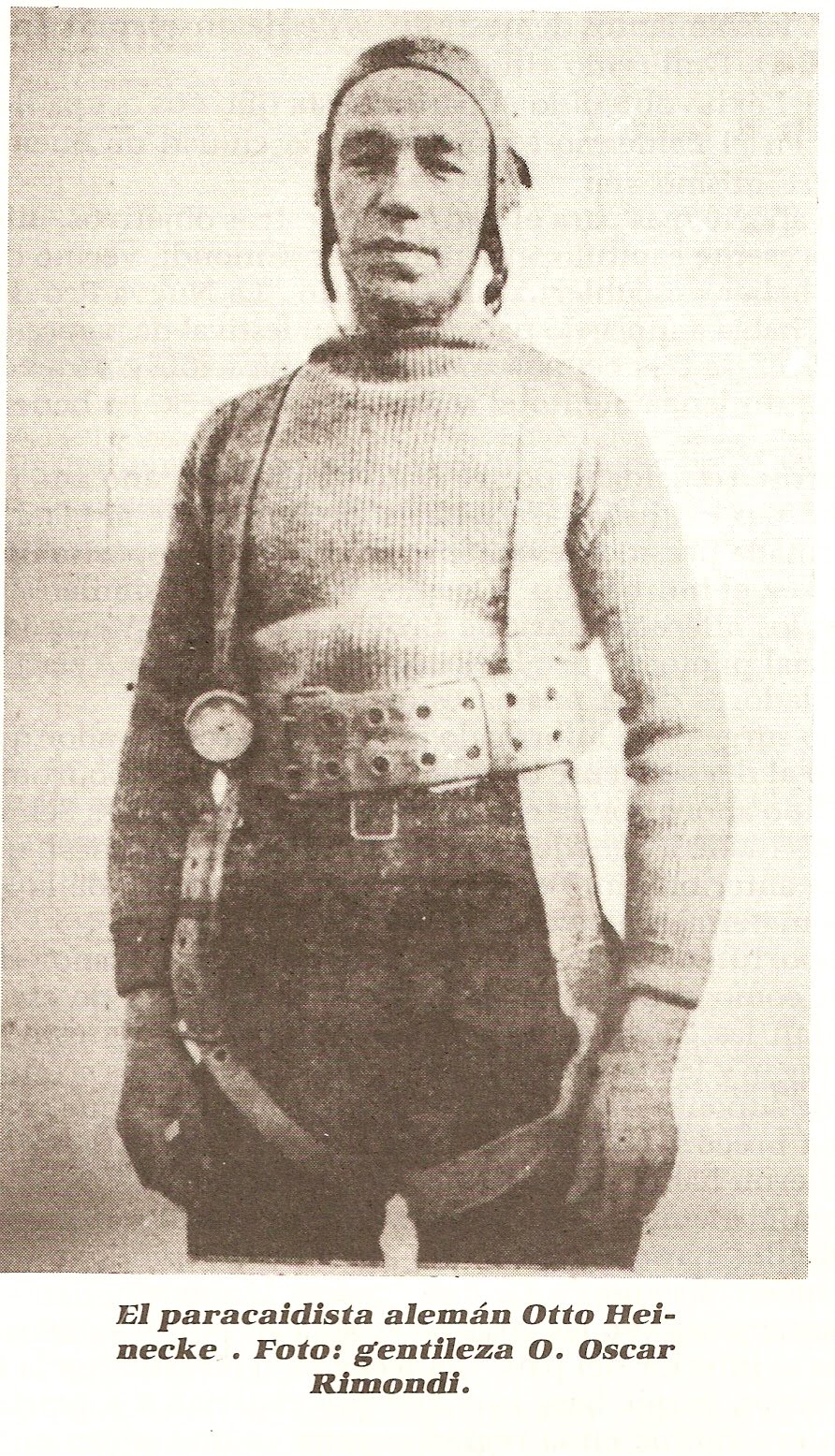
The only parachute expert in Sweden, Raoul Thornblad, is of the popular opinion that jumping is a man’s territory and he refuses to take on a female student. Therefore Elsa packs her bags and sets off to the wild excitement of Weimar Berlin to train under Otto Heinecke, parachuting instructor. Parachuting from aeroplanes was in its infancy, and fatal jumps were far from rare.–
The course only lasted a few weeks. In September 1921 Elsa had her parachuting certificate, despite not having actually done a real jump from an aeroplane. However, in typically dauntless act, she had already enrolled her virgin jump. The jump was to be mere days later during an aerial exhibition in South of Sweden. Elsa was far and away the most novel and titillating act on the bill.
It’s a glorious autumn day and 2000 spectators watch Elsa throw herself out head first (as one should at the height of 2000 feet). It’s a perfect jump and she lands gently amongst the lake grass, a bit wet, but one can assume pretty jubilant.
Perhaps still elated from her first success she returned the following Sunday to do it again.  Before her jump, she meets a fellow Swedish aviator, senior in both years and experience along with a German ex-fighter pilot. The men make fun of her choice of parachute, referring to it as a ‘Heinecke sack’.
“ You’d never get me in one of those… not for a million kronor!†exclaims the German.
The Swedish man said he would only use one of those in the face of imminent danger.
“It’s a piece of cake† Elsa cuts back with a smile.
However just before jumping she gives instruction to return her bag to her father “Should I come down quicker than I ought toâ€
She does get to carry her own bag home, albeit with a twisted ankle that forces her into a short period of rest.
By now Elsa was living like a traveling circus artist. Far from sailing smoothly on her novelty status as Sweden’s only female aviator, not to mention show parachutist, she relentlessly pushed herself and her shows forward. Her performances become increasingly dare-devil. One can understand why many people ascribe her with a taste for self-destruction.
Many have questioned her motives, was it an eagerness to appease a sensation-hungry audience? Or was it, as many continue to speculate today, that she nursed a growing taste for danger, a heightened sense of life when faced with the very real possibility of sudden death?
Was she making a political act for gender equality?
Maybe the girl just liked to feel the wind in her hair…
She got signed up as a parachute performer with a new aerial company in Orebro, Sweden. Amongst fellow aviators she is known and appreciated for her sprightly and courageous nature and the passion that she invested in her art.
Cold Sunday in January 1922, 2000 feet in the air.
4000 people below, her biggest crowd yet. The jump she has planned is a new style, that she has never done before.  She has planned her boldest and most showy jump yet. She’s going to jump standing from the wing, rather than from the cockpit.
She is upbeat, excited and focused. Left hand holding onto a rail on the lower port wing. Wave to the crowd. Jump, head first.
A few somersaults, a black speck in the air. A figure that is meant to change shape into that of a jellyfish as the parachute folds out…
but doesn’t.
Those with binoculars have witnessed the struggle she had with a cord, that was stuck under her arm. Elsa is a heartbeat over the tree tops when the parachute finally begins to unfold.
And she crashes. But she will forever keep falling and flying in the imagination of the masses. With all the ballads, stories and films she continuously inspires, her story is more that of a momentarily arrested movement than a work completed.
By Cecilia Lundqvist artist and mask maker (currently learning the aerial hoop)
If you enjoyed this, you may get a thrill from this love letter to Swedish aeroplanes or this Viggen tribute.
Once upon a time a new fighter was planned. It would be a great fighter. It would push the boundaries of technology and it would be all things to all air forces – and navies.
The military knew that it had to ask for every piece of technology and every capability it could think of. It knew this because a responsible government keeps a check on defence procurement, making sure that the military doesn’t spend all the treasure. So the military asked for all the toys it could ever want, expecting that it’d actually get only the toys it needed. That was usually the way of things. It also decided that it’d be really smart to ask for just one type of fighter, but have it built in really different versions.
So the military sat down and made a list of all the magic it wanted in its new fighter. The list said: stealth; a new radar and sensor suite; a helmet-mounted sight that did away with the traditional HUD; a single, widescreen cockpit display; advanced sensor and data fusion; a new propulsion system; the ability to operate from land bases without compromise; the ability to operate from aircraft carriers without compromise; the ability to operate from smaller ships without compromise; weapon bays; supersonic performance; a brand new logistics and maintenance system; world-beating air-to-ground capability; and world-beating air-to-air capability.
It also made a list of all the aeroplanes it wanted to replace. On the list it wrote F-16, F/A-18, A-10, Harrier, Tornado, F-4 and EA-6B, a long list of very different aeroplanes with diverse capabilities. Could the new fighter really take-off like a Harrier, kill tanks like an A-10 and jam mobile phone signals before they could trigger an IED?
Airframe Wizards
Now the aircraft and engine manufacturers, high-tech wizards with great magic in their wands, looked at what the military was asking for and saw treasure. They saw the chance to develop technology beyond their wildest dreams and, if everything went well, to make billions of money from all the fighter jets they would sell to air forces and navies of the world.
It all seemed so possible and soon they were busily at work, crafting and concocting. Each piece of technology was possible, given enough time and resource, but no one stopped to ask if all the technology was possible at the same time and for the same machine. No one stopped to ask if so much technology could be adapted to fit the requirements of the very different versions of that machine. And no one stopped and said to the government, or the military, ‘Yes, we can do all these things, but probably, if we’re entirely honest, not in a useful timescale, certainly not on budget, and maybe not all for just one airframe design.’ Worse still, everybody became so engrossed in trying to make it all work, that nobody thought to ask if they really should be trying to make it all work.
Problems, problems
Many years passed. A great deal of treasure was made and a huge amount lost. Wizards came and went. Dates and deadlines came and went. Some aeroplanes were built while the wizards were still working their magic and although these aeroplanes were upgraded, they were never as good as the aeroplanes that were made years later, when all the magic was finally working.
The problem was that none of the wizards ever lay down his wand and said: ‘What are we doing? This is all going horribly wrong and we should admit that we’re all wrong and fix it.’
The problem was also that the military saw all its wildest dreams coming true and didn’t want to admit that it had set off the wizards on a quest that would stretch their magic so far that it’d keep breaking. It had been allowed almost all of the toys that it had wished for, even though, in the real world, most of those toys were pure luxury most of the time.
The government simply didn’t understand and it didn’t think to ask anybody who did. It started out with a big chest of treasure and although it added a little bit of extra gold, it still wasn’t enough to pay for the fighter programme as it struggled along. So it decided to buy fewer aeroplanes, but it was the development costs using all the treasure up, not the production, so the government actually paid for fewer, much, much, much, much more expensive aeroplanes.
Happily Ever Afters
There were several possible endings to the Fighter Fairy Tail. In one, the whole programme was stopped and the wizards put all their magic and their clever spells into the aeroplanes that the new fighter was supposed to replace, and into much more modern aeroplanes that were already in production, but still evolving. Legend has it that this had been done once before, long, long ago, when a very clever helicopter gave away all its magic. It worked out quite well.
In another ending, the programme was cancelled and the military made do with the fighters it already had in production. This seemed like a very silly ending, because it wasted so much magic and most of the very, very clever wizards disappeared.
Ending number three saw some of the magic requirements relaxed. This meant that the remaining magic could be made to work much better, much more quickly. One of the fighter variants was abandoned, which allowed the others to be much less compromised. The wizards managed to get really, really good aeroplanes to the military without too much more delay. By the time the military got its hands on the jets it had forgotten about all the problems and the aeroplanes worked so well that everyone, even the government, was delighted.
In the final ending, the wizards carried on as they were. The military wriggled and jiggled and although some changes were made, it pretty much got what it wanted. At first the government made the military order far fewer jets, but the aeroplane remained in production for 30 years and because orders kept being added, in the end the military got all its aeroplanes and the wizards made lots and lots of treasure.
The problem was that the first aeroplanes were delivered when their magic was immature. They all needed new spells and some of them had lots of their magic missing for many years. By the time it was ready, they were worn out.
But finally, the military got all the variants of the new fighter into service. Eventually they all worked. All the magic did what it was supposed to do and because the magic was clever, the wizards could keep writing new spells that kept the aeroplanes on top of the world.
But there was a snag. The ending was not entirely happy, although it did take forever after. Almost two decades passed from the time when the wizards delivered the first aeroplanes until all the variants were in service and doing all the things that the wizards had promised and that the military wanted. This was always going to be the ending. The aeroplane was superb. Its technology was superb. Its powerplant was superb. But in combination, they were just too much for the wizards to make quickly and at the same time. For a truly happy ending, somebody should have realised that.
This is a work of fiction. Any similarity to militaries, governments, wizards or fighters, living or dead, is purely coincidental.
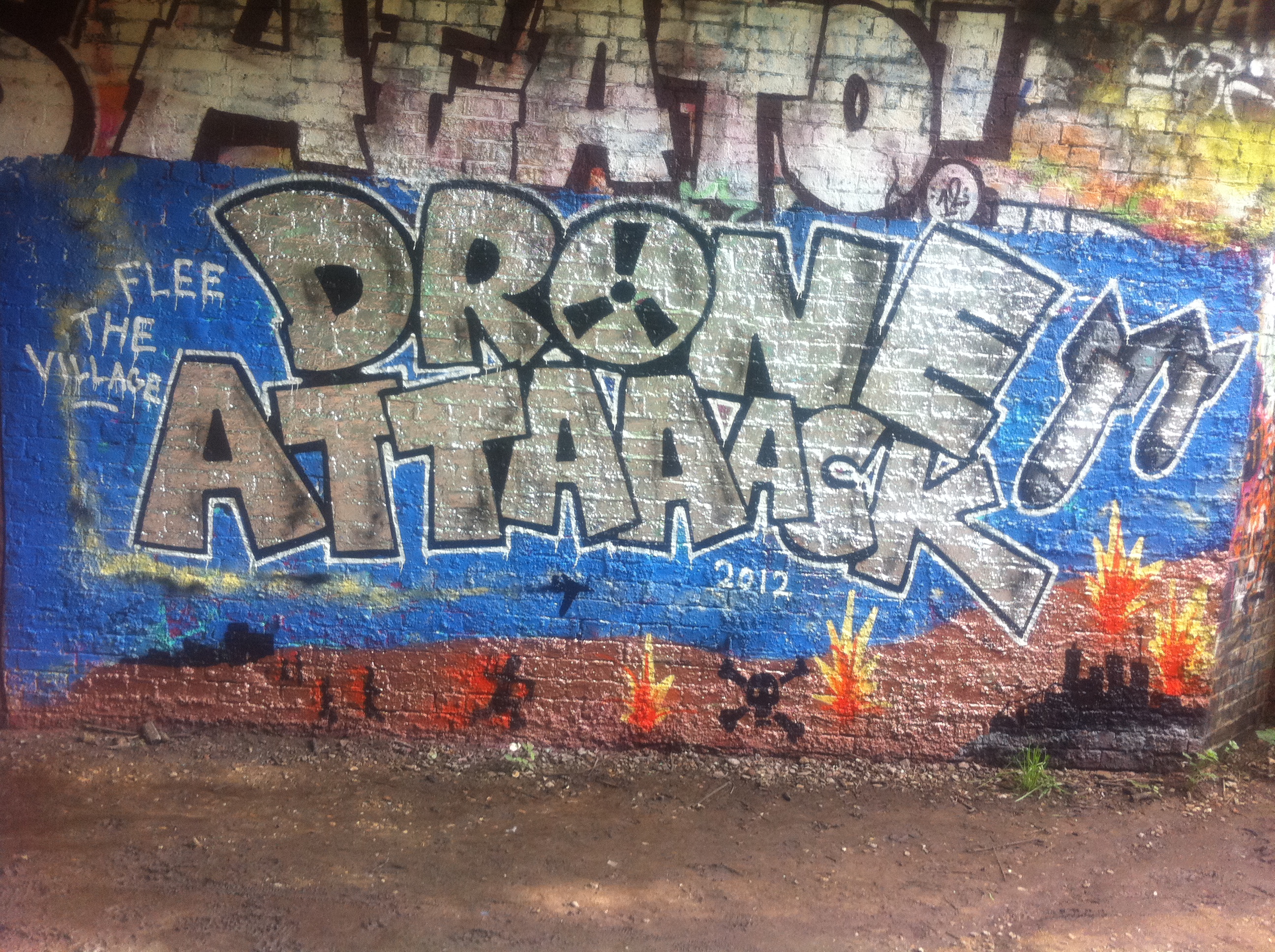
About half an hour ago I spotted this painted on a bridge on the abandoned railway line that runs from Finsbury Park to Highgate. I find it interesting how remotely piloted aircraft (‘drones’) are perceived.
In the last 12 years, the concept of drones has become a household idea that everyone is familiar with. To many, they symbolise war without responsibility, and it is certainly true that they have been used in deniable actions in Pakistan and Somalia (among many other places). In a more abstract way, they bring to mind the intruding, data-hoarding big governments that many fear. The fear and distrust of them is part Luddite and part well founded.
A secret US spy drone, a Lockheed Martin RQ-170 Sentinel, went down in Iran 2011. One response to this event, by an Iranian government-sanctioned satirist, was to send a pink toy version of the aircraft to President Obama. “He said he wanted it back and we will send him one,” Reza Kioumarsi, the head of cultural production at the Ayeh Art group said on Iranian state radio.
The 1:80 scale toy versions, available in several colours, have proved popular in Iran and are sold on a stand eblazoned with the rather charming Ayatollah Khomeini quote:  ‘We will trample America’.
Following Vickers decision to rationalise its aviation interests and close the Supermarine design office in 1936, the RAF’s high performance fighter needs were served purely by the Hawker Hurricane. The Mk XIV was developed as a matter of urgency following the cancellation of the Typhoon programme in 1942 due to insuperable aerodynamic problems and the simultaneous failure of the Napier Sabre to mature into a viable powerplant.
Hawker had no choice but to look to the proven Hurricane airframe and the Rolls-Royce Griffon. The Centaurus was considered but marriage of the radial engine to the slender Hurricane fuselage was rejected as too complicated. Along with the engine change, aerodynamic and practical improvements were made to the airframe. Cutting down the rear fuselage proved relatively simple due to its steel tube and fabric construction, stability was retained by use of a large fin fillet. The tailwheel was arranged to retract into the ventral fin and the large radio mast was replaced with a simple whip aerial, further reducing drag.
Armament was unchanged from the Merlin Hurricane though the new aircraft benefited from a cleaner gun barrel fairing for its four 20 mm Hispanos.
Thank you for reading Hush-Kit. Our site is absolutely free and we have no advertisements. If you’ve enjoyed an article you can donate here. At the moment our contributors do not receive any payment but we’re hoping to reward them for their fascinating stories in the future.
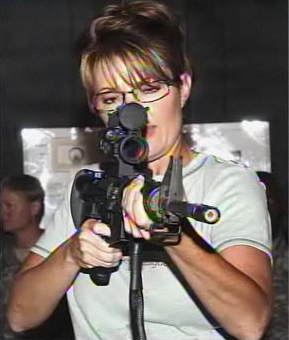
The M16 assault rifle, good enough for Goldie Hawn.
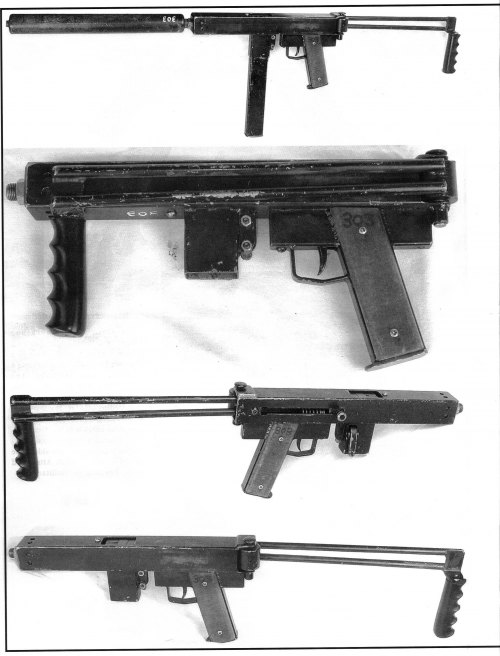
Have you ever seen a homemade gun? At the National Army Museum in Chelsea, London, there is a fascinating display of guns made for the IRA. These were not factory produced but cobbled together in sheds and workshops.
They are brutal and naïve looking tools, quite unlike the mass-produced weapons familiar to our eyes. They are made by an individual, for the killing of other individuals and are freed from the normalising effect of mass-production. Though I know what an M16 rifle is made for, it is also a design classic. It is the product of science, engineering and marketing. It has the legitimacy of being a product.
A tool legitimised by media exposure.
The M16 is iconic and familiar and looks right. For someone who grew up in the Cold War on a cinematic diet of exciting propaganda films, it is the weapon of the goodie. It is carried by Goldie Hawn in Private Benjamin. The improvised IRA weapons are cut free from this happy cultural baggage and are starkly visible as killing tools.
Both the IRA and Loyalists produced ‘home-made’ weapons. This is the ‘Avenger’ submachine gun, made for use by the Loyalists.
I love military aircraft, and I’m not quite sure why. Like guns, fighter and bomber aircraft are killing tools, and they tend to be very effective ones too. Like everybody else, I have seen photographs of children’s corpses following airstrikes. I have read about Guernica and the Blitz and Dresden. I’ve heard blood-curdling accounts of the Highway of Death and the long-term effects of depleted uranium A-10 rounds.
My grown-up head understands the ugly actions made possible by air power. But I am excited by the sight of fighter aircraft in flight. I love the noise of fighter planes, the shapes of them. I love reading about the technology of fighter aircraft. Stories of how aircraft designers pushed the limits of technology, the innovative thinking, the differences between rival fighters. I like particular aircraft in the way a football fan likes a particular team. I follow aircraft programmes like a fashionista follows a designer’s seasons and collections. When the Indian air force turned down the Eurofighter Typhoon, I was ready to kick a cat.
Perhaps there is no contradiction in hating war and loving warplanes. Observer’s Book of Aircraft, Jane’s, Battle of Britain films-  all of these fed and nurtured my childish enthusiasm. It is a normal part of British culture. It is normal to like aeroplanes; today air-shows are the second largest outdoor spectator sport in the UK!
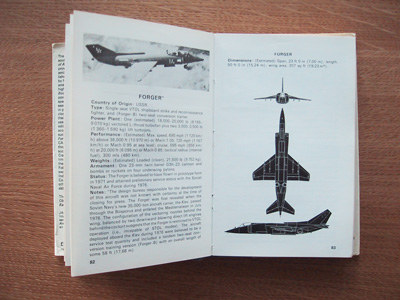
The Observer’s Book of Aircraft reveals the ‘Forger’s art.
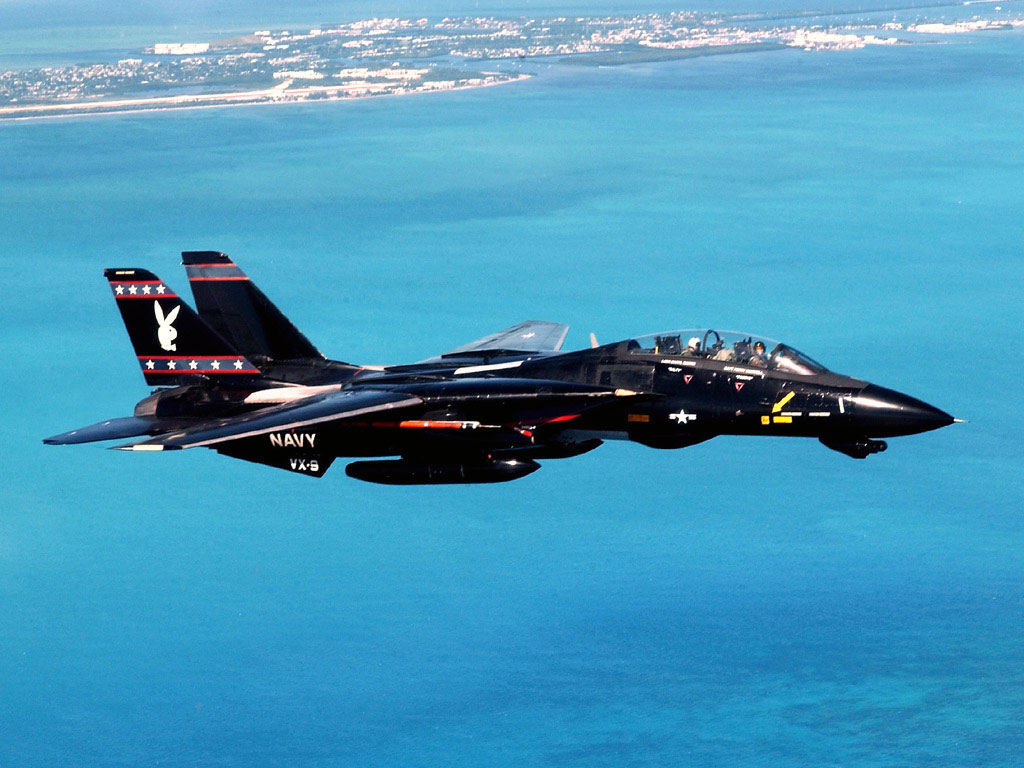
In film military aircraft are most commonly presented as cartoons, embodying masculine powers, more than any man could. The relationship between pilot and aeroplane is similar to Robin Hood’s relationship with his bow. Robin Hood is skilled because he is good and is good because he is skilled. Maverick from Top Gun is the best, his excellence and moral fibre amount to the same thing. His F-14 Tomcat makes him super human. But his superpowers are the result of perseverance and technology. They are a more useful moral lesson than him merely being an alien, born with the ability to fly. Tom Cruise spoke this week about Top Gun 2, which is still in the scriptwriting phase. It is likely that Top Gun 2 will see Maverick return as a test pilot for the Lockheed Martin F-35C Lightning II. The aircraft choice is very significant and telling of changing times.
The second time Hushkit has used a picture of Errol Flynn and unlikely to be the last.
The first Top Gun featured the F-14, a frontline type that had been operational for twelve years when the film was released in 1986. The enemy in Top Gun is left non-specific, but is clearly a kind of hybrid of Libya and the USSR. The enemy aircraft described as ‘MiGs’ are black and marked with a red star, the symbol of communism. The climax of the film features a dogfight which has echoes of the 1981 Gulf of Sidra incident, where US Navy F-14s shot down two Libyan Su-22 fighter-bombers.
More of a man than any man, the F-14 Tomcat.
The film was a gloriously unabashed piece of propaganda. So much so, that when the Top Gun production team asked the US Navy if they would like a recruitment advert to be shown in conjunction with the movie, they said no, as the film was already a recruitment advert in itself. Applications to fly with the US Navy soared after the film. Tellingly, Canadian rock star Bryan Adams, refused to contribute to the soundtrack, as he believed the film glorified war. The choice of aircraft for Top Gun was simple, the F-14 was the biggest, fastest and most capable fighter the Navy had. It was an exciting symbol of US power during the last section of the Cold War. The choice of the F-35 for Top Gun 2 is a very different thing. All fighter aircraft programmes exceed their predicted budgets, but even in this arena, where an extra billion here and there is expected, the F-35’s development costs have been spectacularly awful. The aircraft is nowhere near to being ready to be sent to war. If Top Gun 2 takes another year to enter the production stage, then two years to make, it would be out in 2015. In 2015, the F-35C (the naval variant) will not be combat capable. So in celebrating the F-35, the film will not be sending out a US Navy message like the first Top Gun film, it will be sending out a Lockheed Martin message. It will be validating the trillion dollar Lightning II.
Top Gun director Tony Scott committed suicide (by jumping from a bridge in Los Angeles) in August 2012.
The F-35C: You’ve lost that loving feeling (for the Military-Industrial complex).
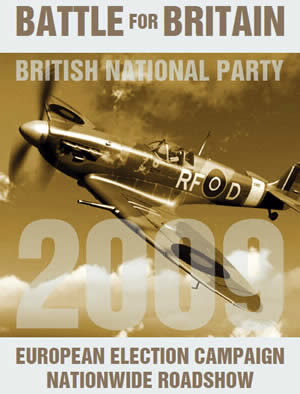
There is always a political aspect to ‘casting ‘an aeroplane. In 2009, the BNP (an extremely right-wing and racist British political party), used the image of a Spitfire in their ‘Battle for Britain’ anti-immigration campaign. In a wonderful piece of inadvertent comedy, historians noted that the aircraft shown was flown by the celebrated No.303 Squadron– an RAF unit made up of Polish airmen.
The BNP accidently celebrating the contribution of Polish servicemen to the defence of Britain in World War II.
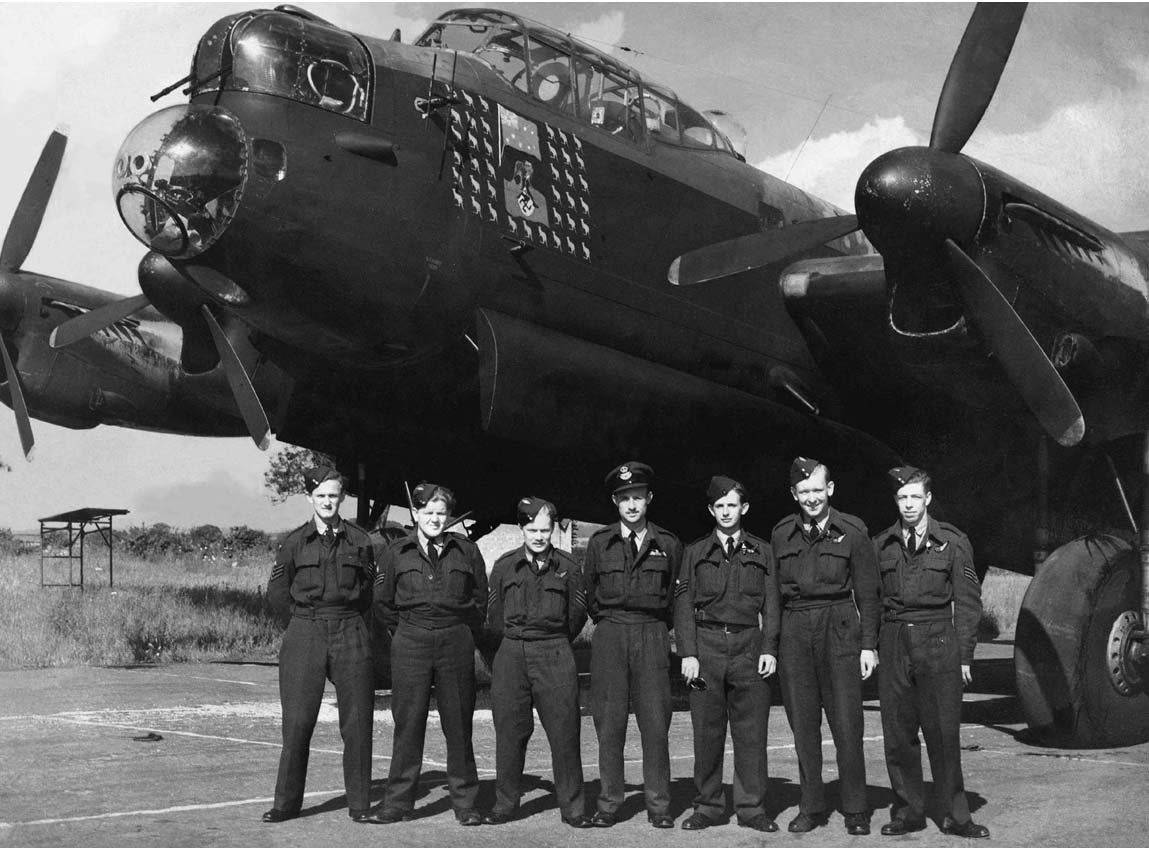
Politics is not the only consideration in choosing an aircraft for film or advertising use, aesthetics is also of prime importance. However, aesthetics does not live in a cultural vacuum. For example, the British Avro Lancaster is seen as looking heroic, as it is perceived (at least by many mainstream British films and books) as having performed heroic work. Seeing the aircraft ‘in the flesh’, in the low-lighting of the RAF Museum Hendon, the Lancaster is an intimidating machine.
The Avro Lancaster: A sinister giant coach of death.
Sometimes the very menace of an aircraft is part of the appeal. The Lancaster bomber (as aviation journalist Paul Eden pointed out- Lancaster is always suffixed with ‘bomber’, yet you don’t refer to ‘Spitfire fighters’) is an incredible example of this menacing appeal.
Though the B-17 is named the Flying Fortress, this name betters suits the Lancaster. As a Boeing product, the B-17 contains many civil design memes, with the result that it looks like a weaponised airliner. An airliner covered in gun-turrets. The Lancaster is much more of a ‘flying fortress’, a sinister giant coach of death. Whereas the B-17 used aerodynamics to get bombs to Berlin, the Lancaster looks like a high-walled bomb suitcase that happened to fly. It is an architectural shape, with all the nasty dark blockiness of the 20th Century forts of Northern Ireland.
The front cover of Castles of Ulster, a book of photographs by Jonathan Olley showing the fortified police stations, army barracks and watchtowers in Northern Ireland.
This cannot be fully appreciated in film or photograph and I would encourage those who doubt me to look at one in a museum.
As a child, I took part in CND marches and also delighted in memorising the maximum weapon load of every fighter and bomber. Moral repulsion and aesthetic appreciation often co-exist. The innocence of ‘train-spotting’ is the feeling of safety which arises approaching a subject in a simple way. It is about removing the subject from complicated ambiguity. Train-spotting is not about trains. Maybe the same is true of any mono-mania. As long as this moral vacuum does not cross the line into the actively vocational, it may be a positive thing.
Adult and child interests cannot be neatly delineated and I see my fascination with military aircraft as being akin to the feminist who doodles idealised girls. But it is not only as a train-spotter that I like military aircraft.
Military aircraft can be represented in many ways, and the demonising of unmanned aircraft in anti-war posters, seems as binary and simple as a Spitfire on a Commando front cover. As objects they are good and they are awful and they are neutral. A noisy, fast, powerful object is exciting- and as a super-stimulus, its power to evoke reaction is great.
A Commando front cover.
What I would like is to see fighters represented in more interesting ways, and at the forefront of this are artists like Fiona Banner. These awe-inspiring machines deserve more than quaint paintings in country pubs, jingoistic films and left-brained magazines (though all of these are great in their own way).
On second thoughts, I just like them, and I wish that was cooler.
SAVE HUSH-KIT. Hush-Kit needs donations to continue, sadly we’re well behind our targets, please donate using the buttons above or below. Many thanks. I really hope Hush-Kit can continue as it’s been a fascinating experience to research and write this ridiculously labour-intensive blog.
“If you have any interest in aviation, you’ll be surprised, entertained and fascinated by Hush-Kit – the world’s best aviation blogâ€. Rowland White, author of the best-selling ‘Vulcan 607’
I’ve selected the richest juiciest cuts of Hush-Kit, added a huge slab of new unpublished material, and with Unbound, I want to create a beautiful coffee-table book. Pre-order your copy now righthere Â
TO AVOID DISAPPOINTMENT PRE-ORDER YOUR COPY NOW
From the cocaine, blood and flying scarves of World War One dogfighting to the dark arts of modern air combat, here is an enthralling ode to these brutally exciting killing machines.
The Hush-Kit Book of Warplanes is a beautifully designed, highly visual, collection of the best articles from the fascinating world of military aviation –hand-picked from the highly acclaimed Hush-kit online magazine (and mixed with a heavy punch of new exclusive material). It is packed with a feast of material, ranging from interviews with fighter pilots (including the English Electric Lightning, stealthy F-35B and Mach 3 MiG-25 ‘Foxbat’), to wicked satire, expert historical analysis, top 10s and all manner of things aeronautical, from the site described as:
“the thinking-man’s Top Gear… but for planes”.
The solid well-researched information about aeroplanes is brilliantly combined with an irreverent attitude and real insight into the dangerous romantic world of combat aircraft.
FEATURING
Interviews with pilots of the F-14 Tomcat, Mirage, Typhoon, MiG-25, MiG-27, English Electric Lighting, Harrier, F-15, B-52 and many more.
Engaging Top (and bottom) 10s including: Greatest fighter aircraft of World War II, Worst British aircraft, Worst Soviet aircraft and many more insanely specific ones.
Expert analysis of weapons, tactics and technology.
A look into art and culture’s love affair with the aeroplane.
Bizarre moments in aviation history.
Fascinating insights into exceptionally obscure warplanes.
The book will be a stunning object: an essential addition to the library of anyone with even a passing interest in the high-flying world of warplanes, and featuring first-rate photography and a wealth of new world-class illustrations.
Rewards levels include these packs of specially produced trump cards.