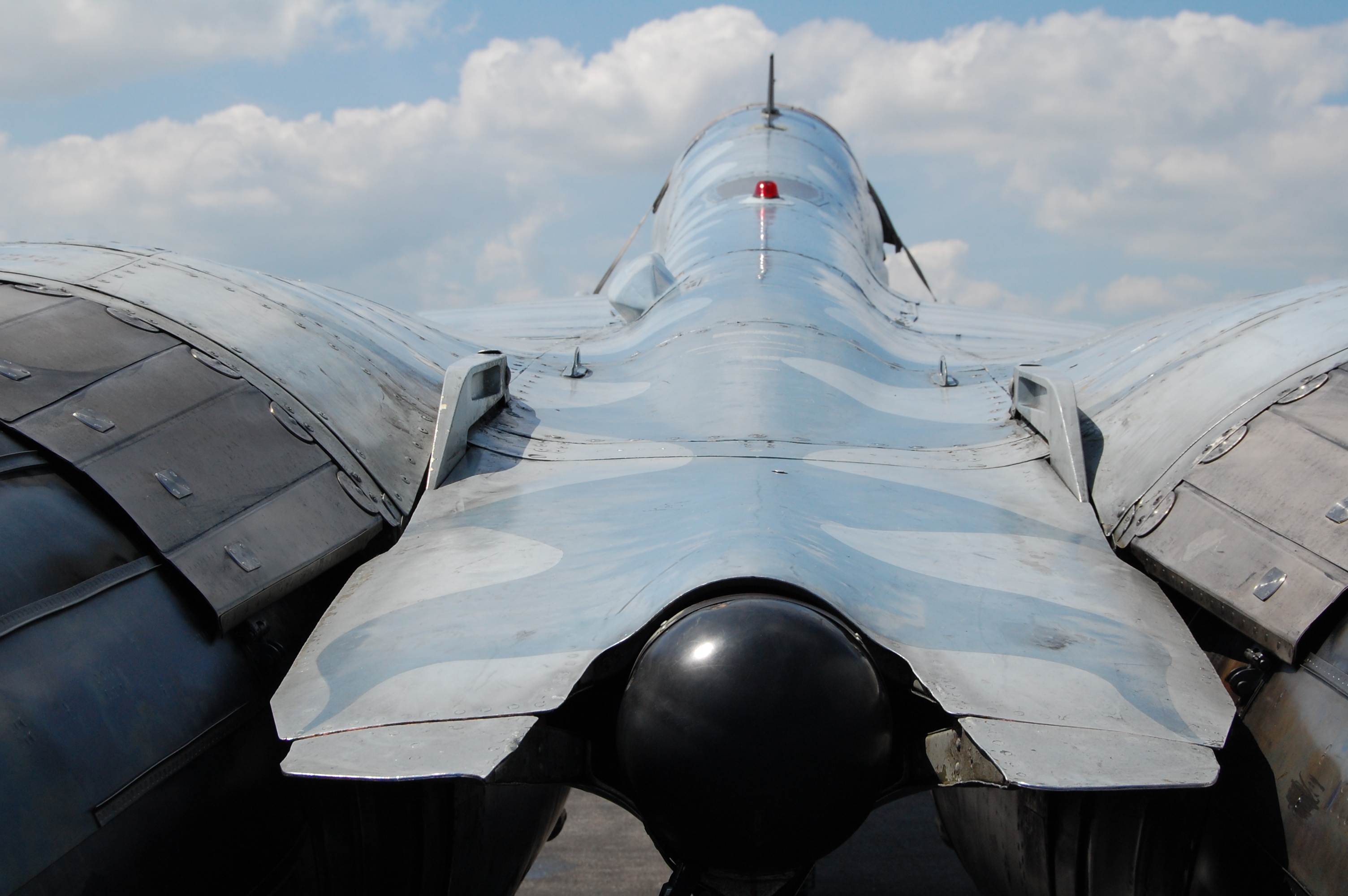
Top ten greatest cancelled fighters

Many of the finest aeroplanes ever made were consigned to the scrapheap of history. Sometimes they were defeated in evaluations by superior opponents.  Sometimes bribery, intrigue or plain bad luck killed these unlucky warriors. Here is a mouth-watering selection of ten fighters which didn’t make it to squadron service.
10. Â McDonnell Douglas/Northrop YF-23 Black Widow II
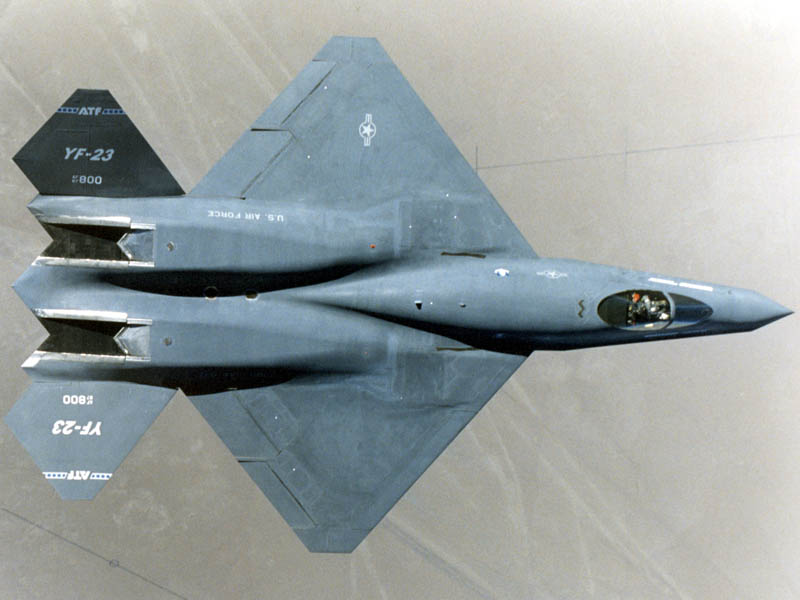

Despite being faster and stealthier, the YF-23 was turned down in favour of what became the F-22 Raptor. A real shame, as USAF missed out on one of the best-looking fighters ever made (as opposed to the F-22, which looks like an F-15 that hasn’t been taken out its packaging). The F-23’s likely top speed is not in the public domain, but it should be noted that it was considered faster than the F-22.
9. Avro Canada CF-105 Arrow

The phrase ‘Canadian superfighter’ sounds odd, but that’s what the CF-105 was. Fast, long-ranged and fitted with advanced avionics, it would have proved formidable. It is still mourned by Canadians today, leading to the bizarre recent proposal for a production line to be opened in the near future.
8. Martin-Baker MB5 (1944)

The best British piston-engined fighter ever flown. Well armed, very fast and easy to maintain. Flight trials proved it be truly exceptional, with a top speed of 460mph, brisk acceleration and docile handling. Its cockpit layout set a gold standard that Boscombe Down recommended should be followed by all piston-engined fighters. A multitude of access panels made it far easier to maintain than its contemporaries, and its tough structure (a more advanced version of the load-bearing tubular box type favoured by Hawker) would have given it greater survivability. The only thing the MB5 lacked was good timing, it first flew two weeks before the Allied Invasion of Normandy. Born at the birth of the jet age, with readily available Spitfires and Tempests this masterpiece of British engineering didn’t stand a chance.
Save the Hush-Kit blog. This site is in peril, we are far behind our funding targets. Our site is absolutely free and we have no advertisements. If you’ve enjoyed an article you can donate here.Â
7. Commonwealth CA-15 ‘Kangaroo’ (1946)

A strong contender for the title of the ultimate piston-engined fighter is the Australian Commonwealth CA-15 ‘Kangaroo’. The RAAF wanted a fighter superior to the highly respected P-51 Mustang and issued an exceptionally demanding requirement. The specification called for a machine with a high rate of climb, excellent manoeuvrability including a high roll rate, and a generous range. The resultant Kangaroo delivered on all promises, and boasted a top speed of 458mph, and a range on internal fuel of 1,150 miles! The addition of drop tanks allowed for 2,540 mile flights. These remarkable figures were attained with the Griffon 61, even more impressive figures would have been achieved if the desired Double Wasp or three-speed Griffon had been fitted. Like the MB5 it was just too late to the party.
6. Dassault Mirage 4000

France’s Mirage 2000 has been described by many fighter pilots as the perfect flying machine. Its ferociously high performance and almost telekinetic responsiveness have left pilots of all nationalities giddy with love and respect for the ‘Electric Cake Slice’. So imagine a ‘2000 with twice the power and you have a pretty spectacular aeroplane; the 4000, which first flew in 1979 was a just such an aircraft, in the same heavyweight class as the F-15 and Su-27. The Mirage 4000 was one of the first aircraft to incorporate carbon fibre composites (to keep weight down)- and was probably the very first to feature a fin made of this advanced material. Thanks to its light structure and powerful engines it had a thrust-to-weight ratio that exceeded 1: 1 in an air-to-air load-out. On its sixth test flight it reached 50,000 feet at Mach 2 in 3 minutes 50 seconds. The 4000 would have been agile, long-ranged and able to haul an impressive arsenal. Its capacious nose could have held an advanced long-range radar. The French air force didn’t want it, Iran — another potential customer- had a revolution, and Saudi Arabia, also on the look-out for a heavy fighter, opted instead for the F-15. Despite its obvious potential, the Mirage 4000 failed to find a customer, which was an enormous kick in the nuts for Dassault, as the company had privately funded the type’s development.
5. IAI Lavi

In the mid-1970s Israel began work on an indigenous fighter-bomber to replace its A-4s and Mirage derivatives. Development of the very advanced design was aided by US technological assistance. The highly agile canard delta first flew in 1986 and showed great potential. Similar to the F-16 but with greater manoeuvrability at higher speed (though it could had a lower maximum speed of Mach 1.6) and altitudes it was also to be fitted with Israel’s widely respected guided munitions and electronic warfare equipment. But the Lavi project was too expensive for such a small country and it was cancelled in favour of a F-16C order. The degree to which the design influenced China’s J-10 is much disputed but it is generally agreed that Chengdu learned much from Israeli industrial visits. Had the Lavi gone into production it would likely have been a potent multirole aircraft, somewhat like a larger Gripen.
4. Northrop F-20 Tigershark

The F-20 was the ultimate US F-5 derivative. However unlike the twin-engined Tiger II and Freedom Fighter, the F-20 was powered by a single engine. It was intended to serve the needs of US client nations not cleared for fighters as advanced the F-16. The F-20 had similar performance to the F-16 but would have been easier to maintain and cheaper to operate. Flight trials went extremely well and Chuck Yeager became an enthusiastic advocate of the type. When restrictions on F-16 exports relaxed the F-20 lost its raison d’etre. An attempt to provide F-20s for the US aggressor fleet proved unsuccessful perhaps as the General Dynamics and some in the F-16 community feared the F-20 reaching production status. In the end this privately funded fighter fell by the wayside, but did serve to distract attention away from Northrop’s secretive work on the nascent B-2 stealth bomber. The F404 engine that had powered the F-20 did find gainful employment in the light fighter world, going on to power the Saab Gripen, KAI FA-50 and Tejas Mk 1.
3. Lockheed YF-12 (1963)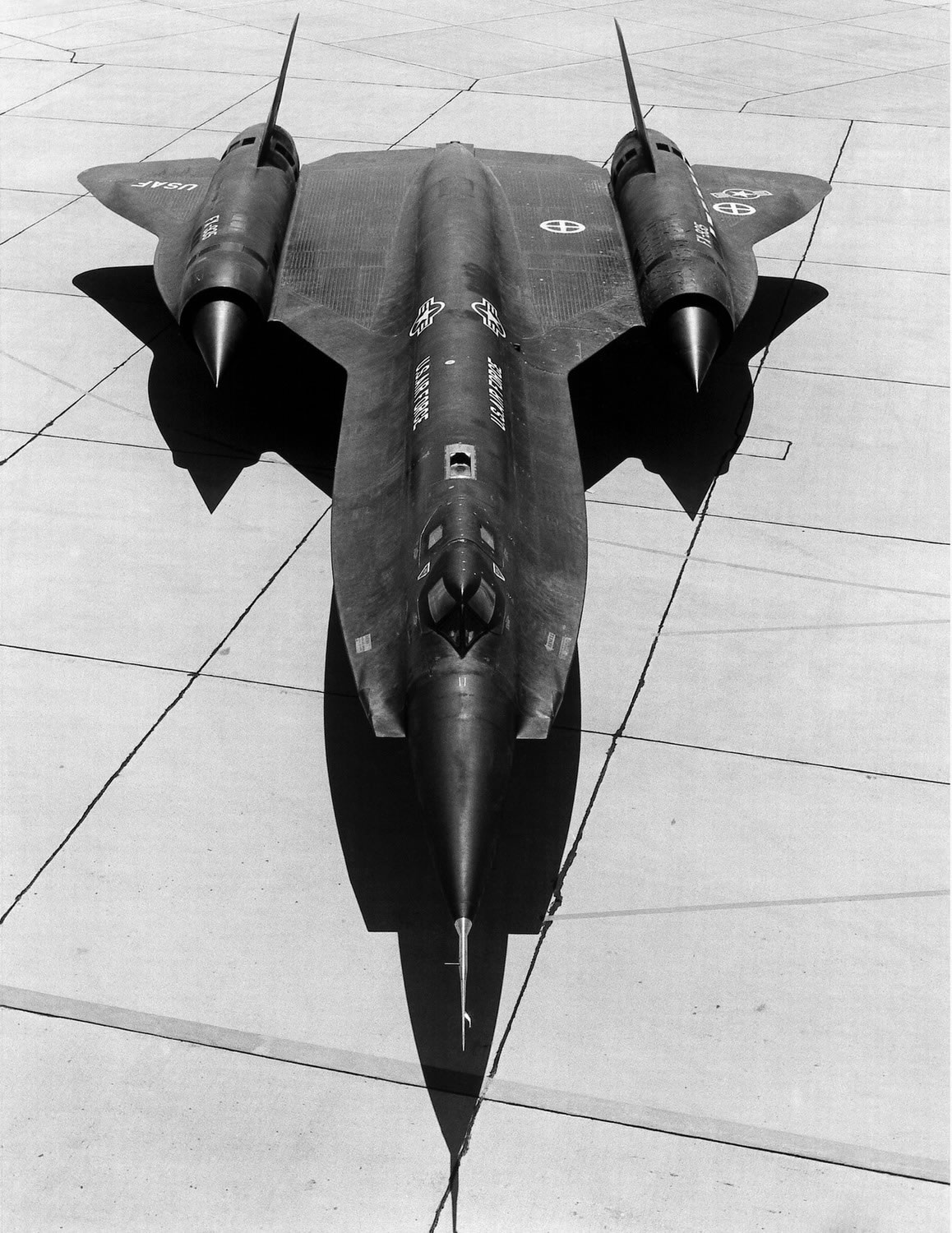
Until the late 1950s each generation of fighter interceptors was faster than the last. It stood to reason that the Mach 2.3 capable F-106 would be replaced by something even faster: the F-108 Rapier. Somewhat unsurprisingly a fleet of Mach 3 fighters that each weighed twice the weight of a loaded Lancaster bomber proved too expensive to develop. It seemed a shame to waste the expensive radar, missiles and fire control system developed for the F-108 so they were fitted to the only available airframe of comparable performance, the extremely secret Lockheed A-12 reconnaissance aircraft. The cost of the war in Vietnam and a less defensive military posture saw the funding for the 93 aircraft USAF wanted scrapped. Elements of this weapon system eventually found their way onto the F-14 Tomcat.

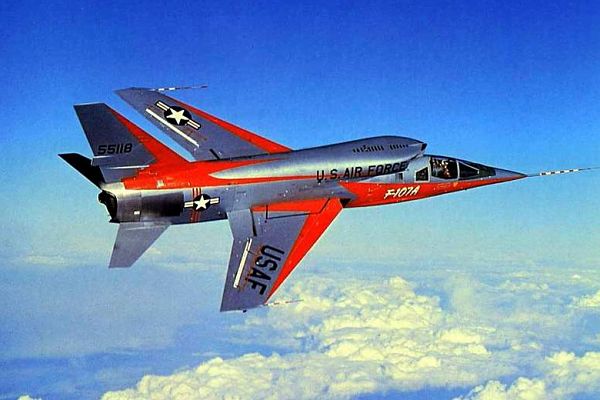
2. North American YF-107
1. Vought XF8U-3 Crusader III (Reader’s choice, suggested by Rowland White)

As phabulous as the Phantom was, in the F-4, the US Navy may have picked the wrong aircraft. Had they gone for the Crusader III instead of the Phantom, the Vought machine would have made mincemeat of the MiGs over Vietnam. The XF8U-3 first flew on 2 June 1958. The prototype reached Mach 2.39, and demonstrated a zoom ceiling well over 76,000 ft (23,170 m). Fly-offs against the F4H (the early Phantom), demonstrated that the Crusader III had vastly superior manoeuvrability. John Konrad, Vought’s chief test pilot, noted that it “fly circles around the Phantom II”. Its combat thrust-to-weight ratio (T/W ratio) was almost unity (0.97), an almost unprecedented figure for the 1950s (the F4H had only around 0.86). The F8U-3 program was cancelled with five aircraft built. Not all was wasted however as NASA appreciated the type’s remarkable high altitude performance and took three of the test aircraft for research purposes. These NASA Crusaders routinely intercepted and defeated U.S. Navy Phantom IIs in mock dogfights. The Navy did not enjoy this bullying and asked NASA to stop. Though the XF8U-3 was a better dogfighter, the Phantom had a crew of two, a huge advantage considering how hard it was to operate contemporary radars and missiles, and could carry a weapon-load twice as big. The F-4 also had the two advantage of two engines, a prime consideration for an operator at sea. Still there is a little doubt that the Crusader III would have been a formidable air superiority fighter or interceptor. With the advent of 1970s technology, allowing effective single crew operations, it could have matured into an exceptionally potent fighter. 
Have a look at How to kill a Raptor, An Idiot’s Guide to Chinese Flankers, the 10 worst British military aircraft, The 10 worst French aircraft,  Su-35 versus Typhoon, 10 Best fighters of World War II , top WVR and BVR fighters of today, an interview with a Super Hornet pilot and a Pacifist’s Guide to Warplanes. Was the Spitfire overrated? Want something more bizarre? The Top Ten fictional aircraft is a fascinating read, as is The Strange Story and The Planet Satellite. The Fashion Versus Aircraft Camo is also a real cracker. Those interested in the Cold Way should read A pilot’s guide to flying and fighting in the Lightning. Those feeling less belligerent may enjoy A pilot’s farewell to the Airbus A340. Looking for something more humorous? Have a look at this F-35 satire and ‘Werner Herzog’s Guide to pusher bi-planes or the Ten most boring aircraft. In the mood for something more offensive? Try the NSFW 10 best looking American airplanes, or the same but for Canadians.

“If you have any interest in aviation, you’ll be surprised, entertained and fascinated by Hush-Kit – the world’s best aviation blogâ€. Rowland White, author of the best-selling ‘Vulcan 607’
I’ve selected the richest juiciest cuts of Hush-Kit, added a huge slab of new unpublished material, and with Unbound, I want to create a beautiful coffee-table book. Pre-order your copy now right here Â
TO AVOID DISAPPOINTMENT PRE-ORDER YOUR COPY NOW

From the cocaine, blood and flying scarves of World War One dogfighting to the dark arts of modern air combat, here is an enthralling ode to these brutally exciting killing machines.
The Hush-Kit Book of Warplanes is a beautifully designed, highly visual, collection of the best articles from the fascinating world of military aviation –hand-picked from the highly acclaimed Hush-kit online magazine (and mixed with a heavy punch of new exclusive material). It is packed with a feast of material, ranging from interviews with fighter pilots (including the English Electric Lightning, stealthy F-35B and Mach 3 MiG-25 ‘Foxbat’), to wicked satire, expert historical analysis, top 10s and all manner of things aeronautical, from the site described as:
“the thinking-man’s Top Gear… but for planes”.
The solid well-researched information about aeroplanes is brilliantly combined with an irreverent attitude and real insight into the dangerous romantic world of combat aircraft.
FEATURING
-
-
-
- Interviews with pilots of the F-14 Tomcat, Mirage, Typhoon, MiG-25, MiG-27, English Electric Lighting, Harrier, F-15, B-52 and many more.
- Engaging Top (and bottom) 10s including: Greatest fighter aircraft of World War II, Worst British aircraft, Worst Soviet aircraft and many more insanely specific ones.
- Expert analysis of weapons, tactics and technology.
- A look into art and culture’s love affair with the aeroplane.
- Bizarre moments in aviation history.
- Fascinating insights into exceptionally obscure warplanes.
-
-

The book will be a stunning object: an essential addition to the library of anyone with even a passing interest in the high-flying world of warplanes, and featuring first-rate photography and a wealth of new world-class illustrations.

Rewards levels include these packs of specially produced trump cards.


Pre-order your copy now right here Â
I can only do it with your support.
Eurofighter World undressed: Part 1
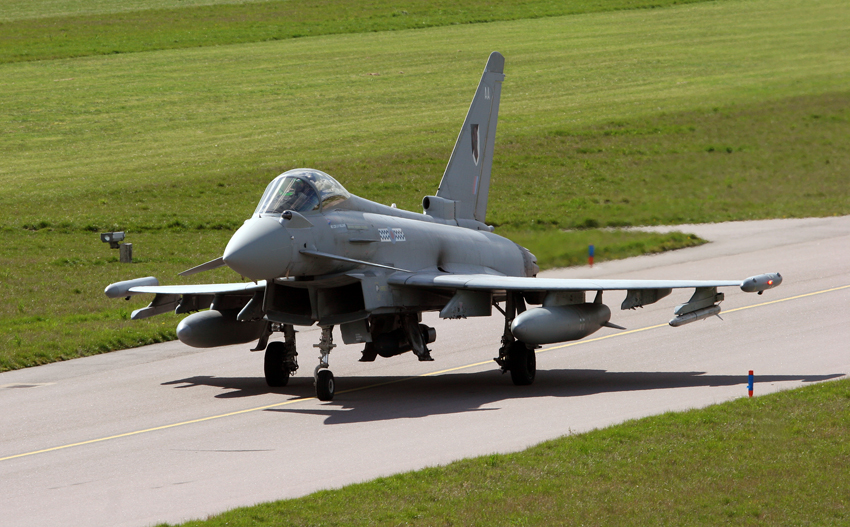
There’s a famous joke in the movie Annie Hall: “Boy, the food at this place is really terrible.” to which the reply is “Yeah, I know, and such small portions.â€Â . I believe that there is a similarly confusing sentiment in the latest edition of Eurofighter World, which I will deal with in Part 3. EW (Eurofighter World) is a magazine published by Eurofighter GmbH to document and promote the Eurofighter Typhoon fighter aircraft and its associated programmes. These are some of my opinions on the most recent edition, dated 2012/01 (there’s a link at the bottom if you wish to download a free copy).
EuroPizza
The title is presented as a rather tacky typographical logo- the silhouette of a Eurofighter swooping out of a colour picture of the world is painfully literal. Added to this is the inherent naffness of the company name ‘Eurofighter’. As many Europeans will remember, the prefix ‘Euro’ was applied willy-nilly to everything in the 1990s (I can remember a EuroPizza on Ballard’s Lane, Finchley) and retains a connotation of tackiness.

Though this maybe a little unfair, as Eurofighter formed in 1986 and was among the first to use the prefix.
This aside, the cover is instantly appealing, thanks to a menacing portrait of a bombed-up Typhoon. To emphasize the multi-role capabilities, Eurofighter rarely misses an opportunity to show the aircraft carrying Paveway bombs. The front aspect of the aircraft shows off the big, glowing green HUD ( looking like a cat’s eye), and the weird curves of the PIRATE IRST ( like the staring black eye of a reptile). Beneath the gaping mouth of the intake, on the centreline point can be seen the LITENING EF targeting pod, underwing are EPW II bombs and under-fuselage four AIM-120 AMRAAMs.
Two rather tantalising coverlines promise one feature about the type’s use over Libya, another titled ‘Stealth Design: A real history of success?’. I wonder if this will conform to Betteridge’s Law of Headlines; “Any headline which ends in a question mark can be answered by the word ‘no’â€. I already have my suspicions..


Next up is the ‘Editorial’ with Eurofighter CEO Enzo Casolini, a former Italian air force officer, who looks a bit like a haunted Henry Winkler. He starts by acknowledging that this is a “challenging time†for Eurofighter. This is probably a tacit reference to the following: Eurofighter’s failure to export to Japan (who chose the F-35), failure to export to India (who chose the Rafale) and the leak of the Swiss air force evaluation report that proved damning of Typhoon. The report makes startlingly reading and can be viewed in full here (I will come back to this later): http://www.scribd.com/doc/85849045/Swiss-Air-Force-Evaluation-of-Gripen-Rafale-Typhoon
This 2008 report was based on thorough evaluation of the SAAB Gripen, Dassault Rafale and Eurofighter Typhoon. Despite it being the most costly of the three fighters, Typhoon was placed second in most assessment criteria, with Rafale generally coming first and the cheaper Gripen coming last. Switzerland went for the Gripen (going for the improved E/F version, powered by the F414G engine).
It does indeed appear to be ‘challenging times’ for Eurofighter, but this message does not acknowledge that Typhoons are being produced at a faster rate than other fighter in the world and have a larger confirmed order book than any other current military aircraft (we’ll cover the subject of the F-35 later).
Why is Enzo using the word ‘challenging’? We reveal more in part two.
Coming in Part 2:Â Stealth-bashing, double-think and how to smash Rafale
If you like, you can download a free copy of Eurofighter World from here:

The Whispering Blades of the flying ‘Mad Men’
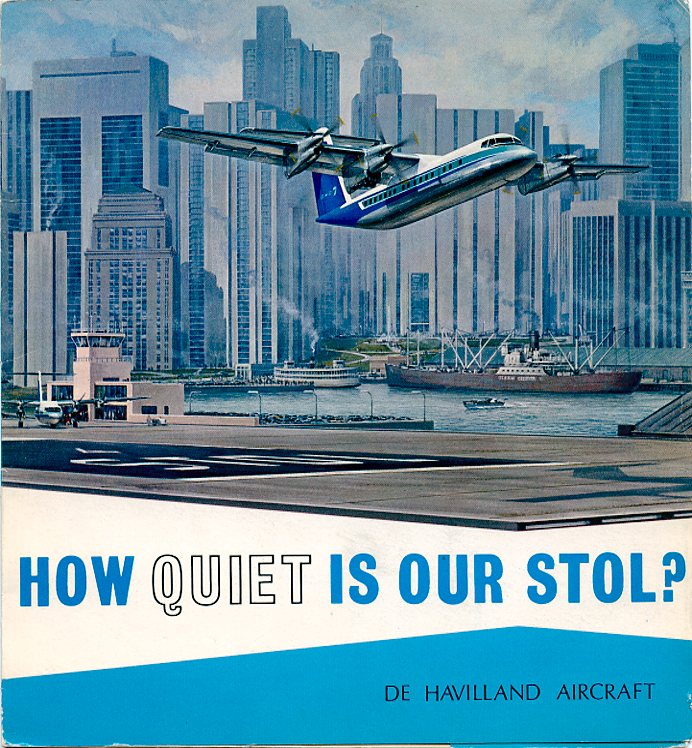
As a five-year-old child, my favourite 45 r.p.m. 7†singles were, in order, Tom Hark by Elias and his Zig-Zag Jive Flutes, Goldyloppers and the Three Bearloaders by much-cherished nursery-rhyme-mangler Stanley Unwin, and, last but definitely not least, a promotional 33 1/3 r.p.m flexidisc (you will remember these if you were born before, say, 1990) acquired by my aviation journalist father while working in Montreal, entitled How Quiet Is Our STOL?
Listen to the record here
Â

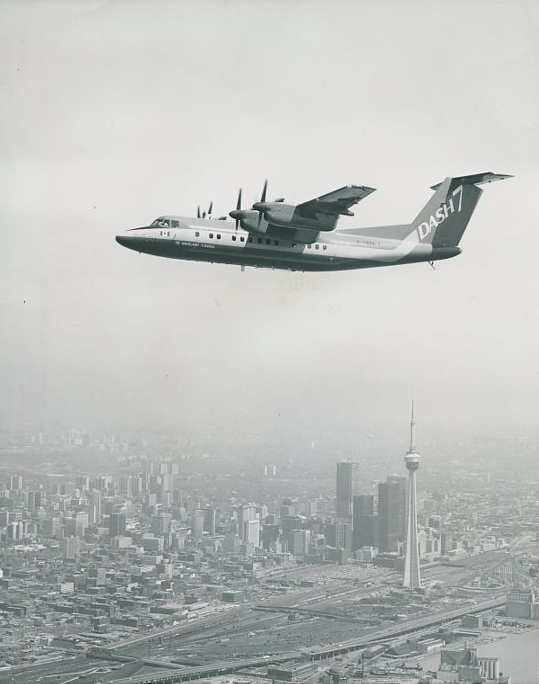
This obscure little gem was issued by de Havilland Canada to extol the virtues of the company’s prospective new feederliner, the DHC-7, or Dash 7, which made its maiden flight on March 27, 1975. I listened to this flexidisc hundreds, if not thousands of times during my childhood, the urbane Canadian narrator sounding to me like the epitome of transatlantic sophistication; his voice was the very essence of an impossibly glamorous world, in which advertising executives boarded tastefully appointed turboprops at downtown airports, behind which loomed a backdrop of shimmering skyscrapers, where 30 minutes previously the immaculately-suited executives had been standing at floor-to-ceiling picture windows on the 130th floor sipping Martinis as a prelude to escaping the city’s steel canyons, by means of a runway built into the harbour below.
Pretty heady stuff, considering the flexidisc was essentially five minutes and one second of comparative recordings of different aircraft flying overhead, with the aforementioned narrator, whom I was sure was wearing a perfectly laundered tab-collar shirt with a slim wool-knit tie under a finely-tailored seersucker suit with thin lapels and five-inch side vents, explaining why the Dash 7 was the perfect aircraft with which to “establish a new metropolitan STOL transportation system†— which sounded immensely cool to me.
I had no idea what a metropolitan STOL transportation system was, but I knew that I wanted one in Croydon, which, with its impressive towering skyline (ahem) would become the New York or Chicago of, um, South London, and which would need high-speed links between the “metropolitan†and “downtown†areas such a modernist conurbation would inevitably spawn. The liner notes of the flexidisc’s gatefold sleeve explain that the DHC-7 had been specially developed to “permit its unobtrusive operation into built-up areas — the maximum noise level produced will not exceed 95 PNdB [Perceived Noise Decibels] at a distance of 500ft from the aircraftâ€. It goes on: “This recording has been prepared to provide a truly subjective appreciation of what a 95 PNdB noise level means in comparison with both conventional transport aircraft and downtown noise as represented by an eight-lane freewayâ€.

An EIGHT-LANE FREEWAY? What in the name of christmas daisies was that? Sounded like a much, much cooler version of our motorway, much grander, where cars with fins were driven by men in fedoras. I’m not sure quite why I had this 1950s notion about all of this, as the record probably dates from around 1974–75, when all that terrific Mad Men-era stuff had long since devolved into long hair and flares — but listening to it again now, I still see Ford Edsels and enormous station-wagons with wood panelling freemoving along a coastal highway like ants. Anyhow, after a brief intro from the narrator (who I imagined was probably the aircraft’s designer or at least the chief test pilot, which I now admit is unlikely), the listener is treated to the sound of a Boeing 727-100 passing overhead at a whopping peak noise level of 117 PNdB (hopeless!), before the far more satisfactory General Electric T64 turboprop-powered DHC-5 Buffalo (109 PNdB) makes its pass. Following hot on its heels is another turbojet, a DC-9-10, which is between the big tri-jet and the sturdy Buffalo, at 114 PNdB. Next up is our hero, the Dash 7, which tiptoes by discreetly at a 95 PNdB whisper — hurrah for de Havilland!

This was possible because the Dash 7’s engine configuration was specially designed to have a very low propeller tip speed, aided by low-noise paddle-type prop blades; buried air intakes and overwing exhausts for the type’s Pratt & Whitney Canada PT6A-50 turboprops also added to the Dash 7’s enviably low noise signature. To show just how quiet the new feederliner was in an urban environment, the record then provides the sound of a busy eight-lane freeway — imagine my excitement! — at 90 PNdB, with a repeat of the Dash 7 following immediately afterwards. “This aircraft will provide attractive transportation for 48 passengers between conveniently located downtown STOLports,†explains the narrator, before assuring the listener that the new aircraft is built on firmly established de Havilland principles. STOLports — wow! Can we make one in the garden? As the hushed tones of the Dash 7 flying overhead disappear into the flexidisc’s run-off, my imagined 1950s-vintage Sim-City world wobbles and fades to black — shall we play it again?
By Nick Stroud
Editor of The Aviation Historian: http://theaviationhistorian.com/about.htm
Penetrate the last redoubts of nature, make space retreat, make death retreat!

JG Ballard on the modern experience of flight:
Before take-off the cabin crew perform a strange folkloric rite that involves synchronised arm movements and warnings of fire and our possible immersion in water, all presumably part of an appeasement ritual whose origins lie back in the pre-history of the propeller age.
The success of human flight presents a trajectory of unfathomable bathos: beginning impossible, aviation moves quite swiftly through the exhilaratingly dangerous before settling inexorably into the banal. That my life has been punctuated by family Journeys between England and New Zealand has ensured that air travel for me conjures solely endless and excruciating cramping of limbs, parching of skin and eventual jetlag. It was only when the Eyjafjallajokull volcano wafted out its great clouds of ash in 2010 and grounded Europe’s aeroplanes that I experienced a glimmering of the poetic possibilities of aviation.

The combination of the boring, the sacred and the ritualistically troubling that Ballard ascribes to the modern flight reminds me of my childhood relationship with poetry. Although its joys and grandeur were glimpsable through the classroom’s assorted mires, it was an as distant and exam-related topic for me as any other. A literature degree later I am employed once a week to help ignite a passion for literature in an eight year old and a twelve year old boy. They attend one of London’s most creative and expensive primary schools and whilst both are astute, artistic and enjoy school, their mother had noticed that both tend to see literature as more of a daft chore than the inspirational seat of all human passion and achievement that she herself perceives. Poetic attempts to render flight’s thrills are often similarly laboured, coming off romanticised and unmagical (Google aviation and poetry for a look). These were my favourite lines:
…penetrate the last
redoubts of nature, make space
retreat, make death retreat.
- Romain Rolland, 1912

I like how this most deathly and spatial of pastimes is modelled as postponing both space and death. Rather than approaching the exhilaration of people in flight, it extends the unnaturalness of the activity into a distilled moment of godlike atemporality. Language’s inadequacy to emulate precisely the thrills of humankind taking to the skies is superseded by its excellence at spatial and temporal distortions.
To my small protégés I attempt to present poetry as just this kind of nebulous layering of estrangements. Perhaps the medium lends itself so tenuously to early aviation (even in Robert Wohl’s chapter on ‘Poets of Space’ most literary reference is to prose) just because of this curious distortionary similarity. Both are, to quote Ballard again, exquisitely tailored relations of ‘line and function’. My students’ professed mounting dread and pre-emptive boredom is something I try to harness rather than deny.
The functions of the poetic line is to create something akin to that moment in 2010 where emptied skies created in me the excitement of aviation. If their dreaded poem can be seen as this kind of vessel to be guided into some kind of revelation of meaning, perhaps it is not too much to hope that the underwhelming experience of modern air travel can yet be shown to contain some of the dreadful awe of the first human flights.
By Emily McCarthy
Writer, tutor and research student of the Wellcome Trust’s utopias, built and unbuilt, at the London Consortium.

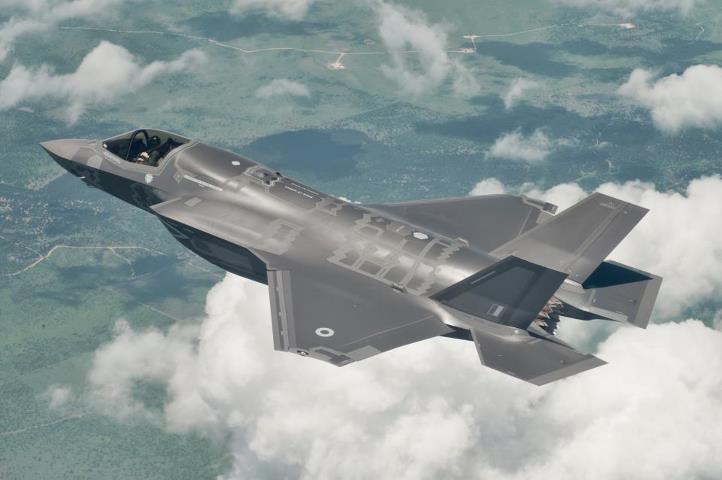
F-35 Poll: What should the UK do? You decide.
Follow my vapour trail on Twitter:Â @Hush_kit
Do you have an idea for a Hush-Kit article you would like to write? Are you an editor with pages to fill? Contact: hushkiteditorial@gmail.com
Confessions of a pteromerhanophobic
 I maintain a fear of flying is normal and anyone who claims to enjoy it is lying. Virgin’s choc-ices aren’t that great. Aerodynamics isn’t that fascinating. I mean, please: sitting up in a truly weighty metal tube thousands of feet up in the sky being driven by someone you’ve never met? Jesus.
The irony is, from the age of 16 to 21, I lived in Chard, a small town in Somerset which happens to be the birthplace of powered flight after inventor, John Stringfellow, flew a model plane in a disused lace mill in 1848. Whoopydoo, Icarus, because having lived there, I can safely say that Chard is crap and ugly and nothing good came of it. Not even planes.
I haven’t always been afraid of flying. As a child, sure. I would hysterically sniff Chanel no 5 from a hankie for entire flights. But as a teenager, I was fine. So fine in fact that in my early twenties, when I lived in Italy, I virtually commuted from London to Turin on a monthly basis. Then, 9/11 happened (see above), I went to Morocco, and, like a nostalgic dormant STD, my fear re-found me
My symptoms are similar to those experienced during a panic attack. Heavy heart thumping, fast, hard, tight breathing, a dry mouth and a general sense of impending doom during which I whine like a small dog. Suffice to say; I know my fears are illogical. It’s not the claustrophobia, the vertigo (two very real fears which make sense), which scares me. It’s not even the lack of control – I’m a trusting person. It’s the FEAR that I fear. A mid-air explosion? What can you do? One engine failing when three will more than efficiently get us to B and then being told this? Fuck Me.
My fear pans out fivefold. Firstly, for around 48 hours before departure. To wit: I recently fainted in Clarins and sicked up some French toast out of pure terror. Then, en plane, as we journey from the slow runway to the fast runway. Then, as we begin our super fast runway bit (the WORST), followed by takeoff and finally throughout turbulence, a vile, vile thing, which usually makes me cry.
Naturally I turned to Dr Alan Carr, a man who really gave it his all in helping me overcome my fear, and who rather romantically calls turbulence ‘the potholes of the skies.’ (I try to remind myself but more often forget).
I maintain a fear of flying is normal and anyone who claims to enjoy it is lying. Virgin’s choc-ices aren’t that great. Aerodynamics isn’t that fascinating. I mean, please: sitting up in a truly weighty metal tube thousands of feet up in the sky being driven by someone you’ve never met? Jesus.
The irony is, from the age of 16 to 21, I lived in Chard, a small town in Somerset which happens to be the birthplace of powered flight after inventor, John Stringfellow, flew a model plane in a disused lace mill in 1848. Whoopydoo, Icarus, because having lived there, I can safely say that Chard is crap and ugly and nothing good came of it. Not even planes.
I haven’t always been afraid of flying. As a child, sure. I would hysterically sniff Chanel no 5 from a hankie for entire flights. But as a teenager, I was fine. So fine in fact that in my early twenties, when I lived in Italy, I virtually commuted from London to Turin on a monthly basis. Then, 9/11 happened (see above), I went to Morocco, and, like a nostalgic dormant STD, my fear re-found me
My symptoms are similar to those experienced during a panic attack. Heavy heart thumping, fast, hard, tight breathing, a dry mouth and a general sense of impending doom during which I whine like a small dog. Suffice to say; I know my fears are illogical. It’s not the claustrophobia, the vertigo (two very real fears which make sense), which scares me. It’s not even the lack of control – I’m a trusting person. It’s the FEAR that I fear. A mid-air explosion? What can you do? One engine failing when three will more than efficiently get us to B and then being told this? Fuck Me.
My fear pans out fivefold. Firstly, for around 48 hours before departure. To wit: I recently fainted in Clarins and sicked up some French toast out of pure terror. Then, en plane, as we journey from the slow runway to the fast runway. Then, as we begin our super fast runway bit (the WORST), followed by takeoff and finally throughout turbulence, a vile, vile thing, which usually makes me cry.
Naturally I turned to Dr Alan Carr, a man who really gave it his all in helping me overcome my fear, and who rather romantically calls turbulence ‘the potholes of the skies.’ (I try to remind myself but more often forget). Alan wrote a very good book – much better than the smoking one – about flying. He aims to make you not only NOT fear flying, but actually enjoy it. A little optimistic, Alan, but still, there are some great facts (and I paraphrase): ‘there are half a million planes in the sky at any one time and none of them have crashed to earth’, and, some woefully ineffective ones: ‘Lockerbie was a one-off’.
We sell fantastic high quality aviation-themed gifts here
Alan wrote a very good book – much better than the smoking one – about flying. He aims to make you not only NOT fear flying, but actually enjoy it. A little optimistic, Alan, but still, there are some great facts (and I paraphrase): ‘there are half a million planes in the sky at any one time and none of them have crashed to earth’, and, some woefully ineffective ones: ‘Lockerbie was a one-off’.
We sell fantastic high quality aviation-themed gifts here


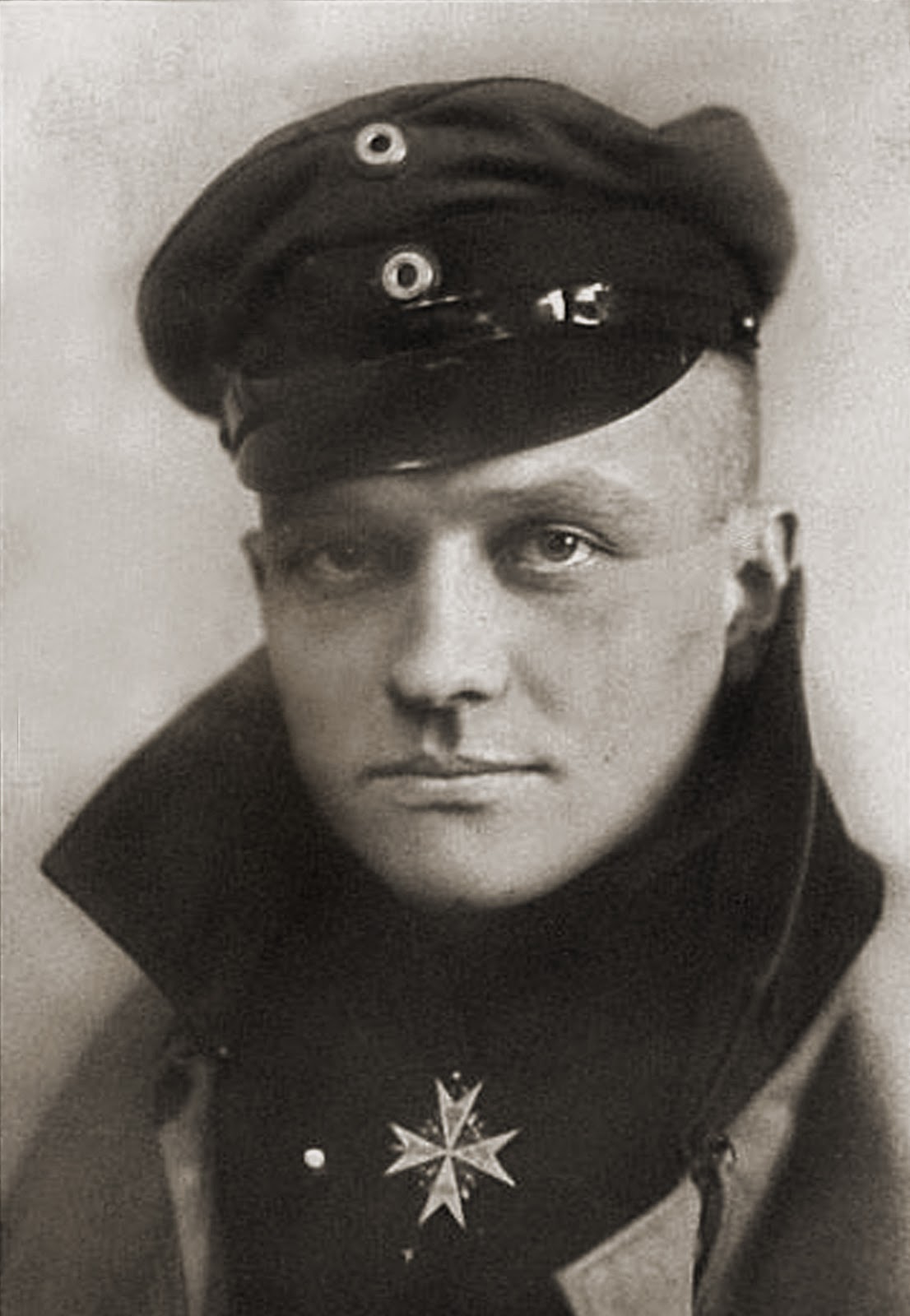
Painting the sky in blood: The Red Baron as a folk artist
‘Pilots are almost by nature individualists, and the First World War gave these men the opportunity to let their extrovert personalities have free rein. This took many forms: wild and riotous living, hair-raising stunt flying, a constant attempt to debunk authority, “brass hats†in particular, and last but not least the extraordinary private markings of their aeroplanes. ‘
 This generalisation of the character of pilots, whilst happily coincident with the devil-may-care, skilled but anti-authoritarian, anti-hero so prevalent in popular fiction (Han Solo in Star Wars for example), is not borne out by fact. Thus it is startling that the ‘extraordinary private markings’ which actually were adopted by thousands of individual aviators in the First World War should have come about primarily due to the action of a man who was profoundly respectful of authority and a member of the aristocracy (Nowarra & Franks 1958), described by Ernst Udet (the highest scoring German pilot to survive the war) as ‘the least complicated man I ever knew. Entirely Prussian and the greatest of soldiers.’ (Udet 1935 p72)
Hush-kit is reminding the world of the beauty of flight.
follow my vapour trail on Twitter: @Hush_kit
Do you have an idea for a Hush-Kit article you would like to write? Contact: hushkiteditorial@gmail.com
So inexorably tangled is this man with the image he created through the medium of his aeroplane that his very nickname, now almost shorthand for the Great War Air Ace, references his work with a paintbrush. ‘The Red Baron’ is arguably most famous today as Snoopy’s imaginary opponent in Schulz’s Peanuts cartoon strip (Schulz 1950-2000) he has also featured in several films, most recently an eponymous German production of 2008. This is all due to the fact that in early 1917 Manfred von Richthofen painted his aeroplane red; A seemingly random act by a man in thrall to military ideals and almost by definition, the epitome of the non-creative spirit. So why did Manfred von Richthofen paint his aeroplane red? Can this and other decorated German fighter aircraft be considered an example of applied art?
Read Britain’s top female aerobatic pilot describing her favourite aeroplane here
In 1917 the aeroplane was barely ten years old and the first instance wherein one aircraft had intentionally destroyed another had occurred less than two years previously (Gunston 1975). Despite the very short time frame involved, another pilot had already painted his entire aircraft red and achieved passing fame. His name was Jean Navarre and he much better fitted the ideal of the mercurial anti-establishment figure. He would become known as ‘The Sentinel of Verdun’ and was briefly France’s premier fighter pilot before a medical board declared ‘Lieutenant Navarre’s mind is deranged’ and he was removed from active service (Sykes 1937).
This generalisation of the character of pilots, whilst happily coincident with the devil-may-care, skilled but anti-authoritarian, anti-hero so prevalent in popular fiction (Han Solo in Star Wars for example), is not borne out by fact. Thus it is startling that the ‘extraordinary private markings’ which actually were adopted by thousands of individual aviators in the First World War should have come about primarily due to the action of a man who was profoundly respectful of authority and a member of the aristocracy (Nowarra & Franks 1958), described by Ernst Udet (the highest scoring German pilot to survive the war) as ‘the least complicated man I ever knew. Entirely Prussian and the greatest of soldiers.’ (Udet 1935 p72)
Hush-kit is reminding the world of the beauty of flight.
follow my vapour trail on Twitter: @Hush_kit
Do you have an idea for a Hush-Kit article you would like to write? Contact: hushkiteditorial@gmail.com
So inexorably tangled is this man with the image he created through the medium of his aeroplane that his very nickname, now almost shorthand for the Great War Air Ace, references his work with a paintbrush. ‘The Red Baron’ is arguably most famous today as Snoopy’s imaginary opponent in Schulz’s Peanuts cartoon strip (Schulz 1950-2000) he has also featured in several films, most recently an eponymous German production of 2008. This is all due to the fact that in early 1917 Manfred von Richthofen painted his aeroplane red; A seemingly random act by a man in thrall to military ideals and almost by definition, the epitome of the non-creative spirit. So why did Manfred von Richthofen paint his aeroplane red? Can this and other decorated German fighter aircraft be considered an example of applied art?
Read Britain’s top female aerobatic pilot describing her favourite aeroplane here
In 1917 the aeroplane was barely ten years old and the first instance wherein one aircraft had intentionally destroyed another had occurred less than two years previously (Gunston 1975). Despite the very short time frame involved, another pilot had already painted his entire aircraft red and achieved passing fame. His name was Jean Navarre and he much better fitted the ideal of the mercurial anti-establishment figure. He would become known as ‘The Sentinel of Verdun’ and was briefly France’s premier fighter pilot before a medical board declared ‘Lieutenant Navarre’s mind is deranged’ and he was removed from active service (Sykes 1937).

 Evidently, if Richthofen’s aim was advertising then he had succeeded. Indeed he succeeded rather too well for ‘the English had put a price on Richthofen’s head, with the stipulation that the red machine is shot down’. Or at least that was what was believed by other German pilots (it was not true) (vanWyngarden 2004) Before long, under the guise of protecting their leader from being singled out by the enemy, the whole squadron wanted in on the act as recounted by Manfred’s younger brother Lothar:
‘It had long been our wish to have all the aeroplanes of our Staffel painted red, and we implored my brother to allow it. The request was granted for we had shown ourselves worthy of the red colour by our many aerial kills. The red colour signified a certain insolence. Everyone knew that. It attracted attention. Proudly we looked at our red birds.’ (vanWyngarden 2004: pp12-13)This shows that the colour red now signified a certain merit. One couldn’t just paint one’s aircraft red, one had to earn it and one is proud of it. Also the psychological connotations are plain to Lothar, even if his older brother hadn’t bothered to mention any. Red attracts attention and signifies ‘insolence’. The red of the aircraft is a statement, not a practical consideration. When Richthofen painted his aircraft red it could have been argued that it served to make him, as leader, instantly recognisable to his squadron mates. Richthofen himself said that a leader’s aircraft should be easily identifiable. This squadron-wide move by contrast looks like pure chutzpah in the face of the enemy. Support Hush-Kit with our high quality aviation themed merchandise here


 What is not clear is that the enemy read it exactly in this way however. It is worth remembering that when Richthofen painted his aeroplane red, Europe was still a continent of Edwardian values and his action was more socially outrageous than it might at first appear. By way of example, in Death in Venice, written five years earlier,Mann writes that, as his mental state collapses, Asenbach’s ‘necktie was scarlet, his broad-brimmed straw hat encircled with a many-coloured ribbon.’ (Mann 1912: p263). This in direct contrast to the sober clothing of the rational German titled author who is definitely not in the business of falling for beautiful boys; Or the sort of man who paints his aeroplane red?
‘A very amusing thing occurred. One of the Englishmen whom we had shot down and whom we had made a prisoner was talking with us. Of course he inquired after the Red Aeroplane… there was a rumour that the Red Machine was occupied by a girl, by a kind of Jeanne d’Arc. He was intensely surprised when I assured him that the supposed girl was standing in front of him. He did not intend to make a joke. He was actually convinced that only a girl could sit in the extravagantly painted machine.’ (Richthofen 1917)Perhaps: Not the reaction of a man impressed with the brio of his opponent as a combatant so much as admiring the bravery of some kind of aerial transvestite in parading about in a suspiciously feminine aircraft. In the first English language edition of Richthofen’s autobiography, C G Grey, the noted aero journalist, can’t entirely suppress a patronising tone on the subject:
‘Their leader chose to paint his little Albatros a brilliant pillar-box red. The others painted their machines according to their fancy. Some had yellow noses, blue bodies and green wings. Some were pale blue underneath and black on top. Some were painted in streaks, some with spots. In fact, they rang the changes on the whole of the paint-box.’ (Richthofen 1917)Grey makes it plain the effect that Richthofen’s red aeroplane had on his comrades. Apparently unworried by the gender concerns of their opponents, German pilots painted all their aircraft in a great variety of colours, a tiny handful of which are depicted in the appendix. What is particularly surprising about this is that the German army, an organisation stereotypically famed for its discipline should allow this to occur at all. It would appear that the fame of Richthofen and his all-red aircraft effectively precluded any objection to encouraging other pilots to emulate the hero. The British high command, by contrast, ‘regarding uniformity as a virtue, viewed the unorthodox in aircraft markings with as much distaste as variations in airmen’s uniforms’ (Green and Swanborough 1981: p8).
 The example of the ‘Seven Swabians’ Fokker D.VII flown by Wilhelm Scheutzel serves to represent the aesthetic development of the short-lived era of individual aircraft decoration from the broad stroke abstraction of Le Petit Rouge. Corporal Wilhelm Scheutzel (a corporal it should be noted – nearly the lowliest rank of all), destined to shoot down a single enemy aircraft, decided to decorate his aircraft with the Seven Swabians from one of Grimm’s more obscure fairy tales. It is unusual amongst its contemporaries in that it depicts human figures but apart from that it can be considered relatively typical. The Swabians in question, all carrying the same lance, fall in a river and drown after mistaking a rabbit for a dragon. It serves no practical purpose – It certainly isn’t camouflage nor can the scheme be considered as a practical means of identification. In fact it would be hard to say that it serves any purpose at all save to appeal to the taste of the pilot. As a propagandist tool the Swabians are not a symbol to inspire fear in an opponent or martial enthusiasm in an ally. It refers to an act of militaristic incompetence by Germans. The Swabians were stupid and died. The dragon was a rabbit. The image is comical, charming, pretty even. It would not look out of place on a child’s bedroom wall. Scheutzel’s aeroplane delights in a self-deprecatory joie de vivre that contrasts with the circumstances of its creation in the midst of the bloodiest industrialised war the world had yet seen.
How to explain this phenomenon of which Richthofen was the vanguard and remains the standard bearer? Could the decorated fighter aircraft be an example of folk art?
It is unlike any other movement in any field of art before or since, indeed it is quite separate from later examples of aircraft decoration or graffiti. In the Second World War aircraft, particularly American, were often decorated with various painted decorations, which became generally known as ‘nose art’, and this has received some academic attention. Most of it was profoundly sexual in nature and much was simply the work of pin-up artists such as Vargas and Petty copied onto the aircraft’s skin (Ethell and Simonsen 2003) ‘Army Air Force Regulation 35-22 officially sanctioned nose art as a means of “increasing moraleâ€; however, the regulation was meant to curb the suggestiveness of the nose art particularly in the field’ (Bilsing 2005: p20). There was no need with the German aircraft of the First World War. Figurative elements are minimal at best and there is not a woman in sight . This may say a good deal about the preoccupations of contemporary German society and that of America in the ‘forties but it does, I think, make the German work more interesting. It is abstract and often based solely in colour. It is does not consist of the application of a decoration onto an existing colour scheme, though it may contain decorative elements. There is very little copying. It is not functioning in the same way as ‘nose art’.
The example of the ‘Seven Swabians’ Fokker D.VII flown by Wilhelm Scheutzel serves to represent the aesthetic development of the short-lived era of individual aircraft decoration from the broad stroke abstraction of Le Petit Rouge. Corporal Wilhelm Scheutzel (a corporal it should be noted – nearly the lowliest rank of all), destined to shoot down a single enemy aircraft, decided to decorate his aircraft with the Seven Swabians from one of Grimm’s more obscure fairy tales. It is unusual amongst its contemporaries in that it depicts human figures but apart from that it can be considered relatively typical. The Swabians in question, all carrying the same lance, fall in a river and drown after mistaking a rabbit for a dragon. It serves no practical purpose – It certainly isn’t camouflage nor can the scheme be considered as a practical means of identification. In fact it would be hard to say that it serves any purpose at all save to appeal to the taste of the pilot. As a propagandist tool the Swabians are not a symbol to inspire fear in an opponent or martial enthusiasm in an ally. It refers to an act of militaristic incompetence by Germans. The Swabians were stupid and died. The dragon was a rabbit. The image is comical, charming, pretty even. It would not look out of place on a child’s bedroom wall. Scheutzel’s aeroplane delights in a self-deprecatory joie de vivre that contrasts with the circumstances of its creation in the midst of the bloodiest industrialised war the world had yet seen.
How to explain this phenomenon of which Richthofen was the vanguard and remains the standard bearer? Could the decorated fighter aircraft be an example of folk art?
It is unlike any other movement in any field of art before or since, indeed it is quite separate from later examples of aircraft decoration or graffiti. In the Second World War aircraft, particularly American, were often decorated with various painted decorations, which became generally known as ‘nose art’, and this has received some academic attention. Most of it was profoundly sexual in nature and much was simply the work of pin-up artists such as Vargas and Petty copied onto the aircraft’s skin (Ethell and Simonsen 2003) ‘Army Air Force Regulation 35-22 officially sanctioned nose art as a means of “increasing moraleâ€; however, the regulation was meant to curb the suggestiveness of the nose art particularly in the field’ (Bilsing 2005: p20). There was no need with the German aircraft of the First World War. Figurative elements are minimal at best and there is not a woman in sight . This may say a good deal about the preoccupations of contemporary German society and that of America in the ‘forties but it does, I think, make the German work more interesting. It is abstract and often based solely in colour. It is does not consist of the application of a decoration onto an existing colour scheme, though it may contain decorative elements. There is very little copying. It is not functioning in the same way as ‘nose art’.
 Sometimes the schemes contain elements of heraldry or chivalric devices but it does not fit easily into a heraldic tradition. It is true that some pilots were from the aristocracy, Richthofen himself for example, however most were not. Shields, dragons and other heraldic figures are used without regard to their historic function but for their aesthetic appeal or generic warlike or fierce qualities. Historically-
‘each participant in a passage of arms, whether of a warlike or merely sporting character, wore a coat of arms on his shield… and on the trappings of his horse. This was the only means of distinguishing him from other combatants’ (Neubecker 1979: p14)National markings had rendered this function obsolete, thus whilst the combatants of this war might serve to render their aircraft distinguishable it was generally for their own benefit and not to render them recognisable to others. The First World War produced a plethora of what is now known as trench art which fits into a folk art tradition exemplified by the scrimshaw work of sailors (Saunders 2003). However, trench art is defined as ‘objects made by soldiers…from the waste of industrialised war, and a host of miscellaneous materials’ (Saunders 2003: p9) Richthofen did produce trench art: ‘a lamp which I made from the engine of an aeroplane I had shot down. I fitted small bulbs into the cylinders’ (Richthofen 1917) but his and others operational aircraft are not the ‘waste of industrialised war’ nor are they ‘miscellaneous materials’. A better comparison would be the mass of ornament that covered wooden fighting ships until the mid nineteenth century. Like a fighter aircraft the ship is simultaneously a conveyance and a weapon. However the decoration of warships was applied during construction and carried out by craftsmen (Dodds and Moore 2005), the aircraft of the Great War were mass-produced and decorated by their pilots.
 Cars are also mass-produced and some are extensively redecorated by their owners in a process collectively referred to as customisation and Cooper 1994 discusses this practice as an example of ‘working class art’. The awkward reality of the pilots of the Great War is that they were not generally working class (some were). Richthofen was an aristocrat, most were middle class. Despite this, they were functioning in an unusual situation that served to break down the greater extremes of class distinction so I feel the comparison is not unwarranted. Indeed is it possible that these aircraft represent a very specific form of outsider art? In The Artist Outsider Gerald L Davis states ‘“Outsider art†seems to be one of those pleasantly unambiguous phrases intended to represent exactly what it describes, aesthetic creations produced by people trained outside of a fine arts tradition.’ (in Hall and Metcalf Jr 1994) These decorated aircraft as aesthetic creations fit this definition. However I think that describing the phenomenon as outsider art is, frankly, erroneous. Nonetheless Dubuffet argues that Art Brut was
‘produced by people immune to artistic culture in which there is little or no trace of mimicry … so that such creators owe everything – their subject-matter, their choice of materials, their modes of transcription, their rhythms and styles of drawing, and so on – to their own resources rather then to the stereotypes of artistic tradition or fashion’ (Dubuffet 1973: p91)The artist-pilots were entirely reliant on their own resources and materials, down to the very canvas they used – the literal canvas their aircraft were covered with. These men were not the outsiders in the sense of the insane or the disenfranchised that so fascinated Dubuffet. Nonetheless, that the pilots were people from diverse backgrounds who found themselves in a unique, dangerous and new situation is undeniable. Their aesthetic response was also new and unique. The notion of the outsider here is that the rarefied qualities of their experience placed them outside (quite literally, at times, above) the rest of society and rendered them therefore different, though different as a group. The particular accident of their nationality and the attitude of those who governed them created the environment in which their work could flourish. CONCLUSION I think it is fair to say that this represents a totally unique form of folk art and Richthofen a totally unique artist-creator. It has no true precedent and it lasted barely two years but during that period became so popular amongst its practitioners that by the time it ceased it had become virtually universal amongst an absolutely specific band of soldiers. What is certain is that it can never happen again. Writing in 1957 Barthes had this to say about the pilot of the past compared to the modern ‘jet-man’ pilot of the fifties.
‘the traditional hero, whose whole value was to fly without forgoing his humanity (like Saint Exupéry who was a writer or Lindbergh who flew in a lounge-suit). But the mythological peculiarity of the jet-man is that he keeps none of the romantic and individualistic elements of the sacred role’ (Barthes 1957: pp72-73)They may not have written like Saint Exupéry but they painted like there was no tomorrow. The tragedy of their particular school is that for so many of them, Richthofen included, there wasn’t to be one. By Ted Ward Illustrator, historian and founding member of Uke Attack! Uke Attack!

HUSH-KIT EXCLUSIVE: Does the RAF have faith in Typhoon?
 My exposure to Typhoon comes from RAF sources, some at the very highest level. I’m aware that what I’m hearing may be biased, but I’ve found the old adage that every fighter pilot believes his fighter is the best, simply isn’t true. Fighter pilots know the weaknesses of their own aircraft and the advantages that they have over their adversaries, these are basics for survival in combat.
What I’m hearing is that in the air-to-air arena, especially with the HMS and Meteor, but even now, without the missile, the more experienced guys and girls on Typhoon would happily fly against anything and expect minimal losses. They are very, very confident. No one, on or off record, has said anything less than the superlative about Typhoon. I’ve been told that the aircraft is extremely powerful, with sufficient excess power to cope with planned upgrades. Hanging weapons on the jet makes little difference to its performance, while dropping them is imperceptible – except for the weapon symbol disappearing off the weapon screen.
Pilots use the throttles carefully so as not to push the aircraft supersonic by accident. Typhoons were often called over Sirte to ‘drop a boom’ just to let the bad guys know they were there and to reassure the good guys. ‘The Tornado can do that too, but it’s much easier for us.’
Typhoon has apparently been comprehensively ‘beaten’ in DACT by Rafale and Pakistani F-16s. Accepting this as fact, but taking it at face value is naïve. Without knowing the ‘cuffs’ imposed on those engagements it is difficult to assess their results with any real understanding. It is also the case that the RAF flies its Typhoons for airframe life, rather than extreme, ragged-edge-of-envelope performance. That’s not to say that such performance isn’t there, but it is telling that in regular training RAF pilots take Typhoon out to 9g. On the face of it, not such an impressive claim – USAF F-15A pilots were doing that in the 1980s – but Typhoon has the power and pilot support systems to go out to 9g and stay there, as a matter of course. And that’s when it’s being flown conservatively.
We sell fantastic high quality aviation-themed gifts here
My exposure to Typhoon comes from RAF sources, some at the very highest level. I’m aware that what I’m hearing may be biased, but I’ve found the old adage that every fighter pilot believes his fighter is the best, simply isn’t true. Fighter pilots know the weaknesses of their own aircraft and the advantages that they have over their adversaries, these are basics for survival in combat.
What I’m hearing is that in the air-to-air arena, especially with the HMS and Meteor, but even now, without the missile, the more experienced guys and girls on Typhoon would happily fly against anything and expect minimal losses. They are very, very confident. No one, on or off record, has said anything less than the superlative about Typhoon. I’ve been told that the aircraft is extremely powerful, with sufficient excess power to cope with planned upgrades. Hanging weapons on the jet makes little difference to its performance, while dropping them is imperceptible – except for the weapon symbol disappearing off the weapon screen.
Pilots use the throttles carefully so as not to push the aircraft supersonic by accident. Typhoons were often called over Sirte to ‘drop a boom’ just to let the bad guys know they were there and to reassure the good guys. ‘The Tornado can do that too, but it’s much easier for us.’
Typhoon has apparently been comprehensively ‘beaten’ in DACT by Rafale and Pakistani F-16s. Accepting this as fact, but taking it at face value is naïve. Without knowing the ‘cuffs’ imposed on those engagements it is difficult to assess their results with any real understanding. It is also the case that the RAF flies its Typhoons for airframe life, rather than extreme, ragged-edge-of-envelope performance. That’s not to say that such performance isn’t there, but it is telling that in regular training RAF pilots take Typhoon out to 9g. On the face of it, not such an impressive claim – USAF F-15A pilots were doing that in the 1980s – but Typhoon has the power and pilot support systems to go out to 9g and stay there, as a matter of course. And that’s when it’s being flown conservatively.
We sell fantastic high quality aviation-themed gifts here
 Follow the author of this article on Twitter @twodrones
 Where & what?
